
I can still hear the kettle whistle from this morning, the soft steam fogging the kitchen window as my kids shuffled in for breakfast. The air smelled like warm dashi and toasted sesame, and someone dropped a bowl with a clatter that somehow made the whole moment feel alive. That small, noisy ordinary scene is exactly where 6 Easy Japanese Breakfast Soup Recipes Today fits; it is the kind of meal that fills bowls, quiets sleepy appetites, and brings everyone to the table with minimal fuss.
Why You’ll Love This 6 Easy Japanese Breakfast Soup Recipes Today

These six soups are built for early mornings, slow weekends, and the middle of a busy week when you want comfort without drama. They all come together quickly, use mostly pantry-friendly staples, and leave you with just a couple of dishes to wash. Meanwhile, they keep the flavors bright and familiar so picky eaters and hungry adults both feel satisfied.
I promise these recipes belong in your weekly rotation because they scale well, reheat beautifully, and are forgiving if you tweak ingredients. By the time it’s done, you’ll have bowls steaming on the table and that warm quiet that makes mornings feel like a small celebration. If you like quick, wholesome bowls, you might also enjoy 20 easy potato soup recipes which share the same comfort-first approach.
The Comfort and Ease Behind 6 Easy Japanese Breakfast Soup Recipes Today
These breakfasts work because they focus on one clear bowl at a time. They lean on dashi, miso, and simple proteins to add depth with very little effort. Once warmed, the soups settle into that gentle, layered flavor that feels like a warm hug. I cook them in a weeknight rhythm: rice in the cooker, broth on the stove, and toppings prepped while the kettle sings.
Why this matters: fewer steps mean fewer chances to get stressed. From there, you can set bowls on the table and everyone assembles their toppings. It’s cooperative and cozy in a way only shared soup can be. If you want more quick dinner ideas that free up time for family moments, check out this collection of quick weeknight dinners.
How I Make 6 Easy Japanese Breakfast Soup Recipes Today Without Overthinking It
“When it smells this good halfway through, you know dinner’s already on your side.”
Start simple: build a clear base, add one or two main ingredients, and finish with an aromatic. Visual cues matter. Look for a clear, golden broth when you use dashi, a soft jiggle in an egg when you poach it, and a translucent rice porridge when it’s ready. Texture should feel balanced; chewy seaweed next to silky tofu, tender fish alongside crisp greens.
The cooking process is short. Make the dashi, warm the miso, or simmer rice until it’s starchy. Next up, add proteins and quick-cook veg. Just before serving, scatter scallions, drizzle oil, or crack an egg and let it settle. These little steps make the soups feel thoughtful without being fussy.
What Goes Into 6 Easy Japanese Breakfast Soup Recipes Today
Ingredients You’ll Need
Classic Miso Soup with Wakame and Tofu
- Dashi stock (instant granules or fresh)
- White miso paste
- Silken or soft tofu
- Dried wakame seaweed
- Scallions
- Sesame oil (optional)
Tamago-Style Miso Egg Drop Soup
- Dashi stock
- Miso paste
- Eggs
- Soy sauce (light)
- Scallions
- Toasted sesame seeds
Okayu Rice Porridge with Umeboshi and Scallion
- Short-grain white rice
- Water or chicken stock
- Umeboshi (pickled plum) or ume paste
- Scallions
- Toasted nori strips
- Soy sauce
Salmon and Greens Dashi Soup
- Dashi stock
- Leftover cooked salmon or raw salmon fillet
- Spinach or komatsuna
- Fresh ginger
- Lemon or yuzu zest
- Shichimi togarashi (optional)
Ginger Chicken and Noodle Breakfast Soup
- Chicken thighs or leftover roast chicken
- Chicken broth
- Fresh ginger
- Udon noodles or thin somen
- Scallions and cilantro
- Mirin
Simple Beef and Runny Egg Rice Bowl Soup (Devil’s Bowl inspired)
- Ground beef
- Soy sauce and mirin
- Short-grain cooked rice
- Dashi or beef broth
- Eggs
- Pickled vegetables (optional)
Use what you have, and don’t skip a quality stock. The stock carries the flavor, and small upgrades make a big difference. If you want slow-cooker options or diabetic-friendly swaps, you can adapt easily with a few minutes of planning using resources like slow-cooker guides.
Step by Step Directions
Walking Through 6 Easy Japanese Breakfast Soup Recipes Today Step by Step
Classic Miso Soup with Wakame and Tofu
- Heat 3 cups of dashi in a saucepan until steaming, not boiling.
- Rehydrate 1 tablespoon dried wakame in water for 5 minutes, then drain.
- Cut 200g silken tofu into small cubes and add to the broth gently.
- Remove a ladle of broth, stir in 2 tablespoons white miso until smooth, then return to the pot.
- Warm through on low heat for 1 minute, do not boil. Stir in wakame.
- Serve with sliced scallions and a drop of sesame oil. Stir until smooth before tasting.
Tamago-Style Miso Egg Drop Soup
- Bring 3 cups dashi to a gentle simmer.
- Dissolve 1.5 tablespoons miso in a small amount of warm dashi, then add back to the pot.
- Add 1 teaspoon soy sauce and a pinch of salt.
- Beat two eggs lightly in a bowl. Create a swirl in the broth with a spoon and slowly drizzle the eggs in to form ribbons.
- Turn off the heat and let the residual warmth set the eggs for 30–60 seconds. Top with scallions and sesame seeds.
Okayu Rice Porridge with Umeboshi and Scallion
- Rinse 1 cup short-grain rice until water runs clear.
- Combine rice with 6 cups water or light stock in a heavy pot. Bring to a simmer.
- Reduce heat and cook, uncovered, stirring occasionally for 25–30 minutes until rice breaks down into a porridge.
- Mash one umeboshi and stir in to taste, or add a teaspoon of ume paste.
- Season with soy sauce if needed. Serve with scallions and nori strips. Let it rest a couple of minutes before ladling.
Salmon and Greens Dashi Soup
- Warm 4 cups dashi and add a thumb-sized piece of sliced ginger.
- Add bite-sized pieces of leftover cooked salmon or cook raw salmon for 3–4 minutes until just set.
- Add a handful of spinach or komatsuna and remove from heat once wilted.
- Finish with a squeeze of lemon or a little yuzu zest. Season lightly with salt or soy.
Ginger Chicken and Noodle Breakfast Soup
- Sear diced chicken thighs in a pot, then add 4 cups chicken broth.
- Add 1 tablespoon grated ginger and simmer for 8–10 minutes.
- Add udon or somen and cook until tender.
- Add a splash of mirin and soy sauce to taste. Turn off heat and fold in sliced scallions and cilantro.
Simple Beef and Runny Egg Rice Bowl Soup
- Brown 250g ground beef with 1 tablespoon each soy sauce and mirin until caramelized.
- Add 2 cups dashi or beef broth and bring to a simmer.
- Spoon hot broth over a bowl of warmed rice. Make a small well and crack a raw egg into the center.
- Cover for 1–2 minutes so the egg warms but remains runny. Top with pickles or scallions.
- Stir gently and enjoy as a single-bowl breakfast.
These steps keep things calm. If you need to pause, turn the heat to low and cover. Next up: toppings and simple finishing touches.
Serving 6 Easy Japanese Breakfast Soup Recipes Today at the Table

How We Enjoy 6 Easy Japanese Breakfast Soup Recipes Today at Home
I serve these soups family style with little bowls of toppings. Let everyone pick pickled plums, toasted sesame seeds, extra soy, or shichimi. For kids, I set out small plates of nori strips and sliced cucumbers for crunch. By the time it’s done, the table looks lived-in and comforting.
Pair miso and tamago soups with a bowl of warm rice and a side of grilled fish or a soft omelet. The okayu is perfect on its own with a small side of pickles. For the beef bowl soup, an extra splash of hot dashi turns leftovers into a new morning treat. Small plates, big bowls, and easy sharing make these breakfasts feel like a ritual that opens the day.
Saving 6 Easy Japanese Breakfast Soup Recipes Today for Tomorrow
Storage and Reheating Without Losing Flavor
Cool soups quickly and store in the fridge for up to three days. For miso soups, I recommend storing the miso separately if you expect to reheat, then stir it in off-heat to preserve probiotics and nuance. Rice porridge stores well but thickens; loosen with a splash of stock or water when reheating.
Freeze broths in meal-sized portions for up to three months. Reheat gently on the stove and add quick-cooking components like greens or tofu right before serving. If you want meal prep inspiration for balanced mornings and weekday planning, try these healthy meal prep ideas for ways to stay organized and nourished.
Notes From My Kitchen
What I’ve Learned After Making This a Few Times
- Measure miso by taste, not by scooping. Start small and add more. I once ruined a batch by dumping the paste straight from a jam jar. Lesson learned.
- Warm eggs gently. For runny yolks and safe whites, use residual heat with the pot off the burner. It takes patience but gives that silky texture.
- Use good packaging for leftovers. Airtight containers prevent flavor transfer and keep soups bright longer.
- Keep a jar of instant dashi in your pantry for days when you need a reliable base in under five minutes.
Time saving tip: cook extra rice and refrigerate for 2–3 days. It transforms these soups from “needs work” to “on the table” in minutes.
Family Twists on 6 Easy Japanese Breakfast Soup Recipes Today
Easy Ways to Change It Up
- For a heartier version, add soba noodles to miso soups. They warm up quickly and add chew.
- To make the okayu savory, stir in shredded chicken or a spoonful of miso.
- If you want more protein, swap tofu for tempeh or thinly sliced pork belly in the salmon soup.
- For picky eaters, serve toppings separately and let them build their bowl.
If you like seasonal swaps, add mushrooms in the fall or citrus zest in the spring. For broader meal ideas and riff suggestions, you might enjoy this collection of healthy meal ideas which can spark fresh directions.
FAQs About 6 Easy Japanese Breakfast Soup Recipes Today
Questions I Get About This Recipe
Q: Can I make these soups vegetarian?
A: Yes. Use kombu and shiitake dashi or instant vegetable dashi and omit any fish-based ingredients. Tofu and mushrooms add body.
Q: Can I make this ahead?
A: Yes. In fact, the flavors settle beautifully overnight. Keep delicate toppings separate and reheat gently.
Q: Is it safe to add raw egg to hot broth?
A: Use fresh, properly refrigerated eggs. For gentle cook-through, let the broth rest off heat for a minute after adding the egg so whites set without scrambling.
Q: How do I keep miso soups from getting cloudy or bitter?
A: Heat miso gently and avoid boiling once it is added. Dissolve miso in a ladle of warm broth first to prevent clumps.
Q: What if I do not have dashi?
A: Use a simple chicken or vegetable stock if needed, but if you can, keep instant dashi powder around. It adds a signature umami that lifts these bowls.
A Final Bite
One Last Thought From My Kitchen
I make these six soups when mornings are slow and when they are rushed. They are forgiving, fast, and kind to busy hands. Keep the basics in your pantry, pause a minute for the little rituals, and you end up with bowls that feel like home. Until the next recipe, remember: small, steady steps and a warm pot can make any morning brighter.
Conclusion
For more inspiration and variations that pair well with these bowls, see this gentle guide to a classic Japanese morning: Easy Japanese Breakfast – Tamagoyaki & 5 Minute Miso Soup – Tiffy. If you want a bold, savory rice bowl with ground beef and a runny egg, this hearty take is a fun reference: DEVIL’s BOWL: Addictive Ground Beef & Marinated Runny Egg Rice. To explore a wider range of Japanese soups beyond miso and get inspired for weekend cooking, check out 20 Easy Japanese Soup Recipes to Try at Home | Sudachi. For a one-pot, high-protein rice dish that can crossover into a soupier bowl, this recipe is a great match: High Protein Ground Beef & Root Vegetable One-Pot Rice. And finally, if you are curious about broader Japanese soup ideas from trusted food writers, this collection covers both classic and unexpected bowls: 13 Japanese Soup Recipes Beyond Miso | Epicurious.
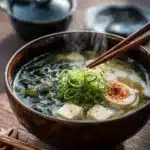
Japanese Breakfast Soup
Ingredients
Method
- Heat 3 cups of dashi in a saucepan until steaming, not boiling.
- Rehydrate 1 tablespoon dried wakame in water for 5 minutes, then drain.
- Cut 200g silken tofu into small cubes and add to the broth gently.
- Remove a ladle of broth, stir in 2 tablespoons white miso until smooth, then return to the pot.
- Warm through on low heat for 1 minute, do not boil. Stir in wakame.
- Serve with sliced scallions and a drop of sesame oil. Stir until smooth before tasting.
- Bring 3 cups dashi to a gentle simmer.
- Dissolve 1.5 tablespoons miso in a small amount of warm dashi, then add back to the pot.
- Add 1 teaspoon soy sauce and a pinch of salt.
- Beat two eggs lightly in a bowl. Create a swirl in the broth with a spoon and slowly drizzle the eggs in to form ribbons.
- Turn off the heat and let the residual warmth set the eggs for 30–60 seconds. Top with scallions and sesame seeds.
- Rinse 1 cup short-grain rice until water runs clear.
- Combine rice with 6 cups water or light stock in a heavy pot. Bring to a simmer.
- Reduce heat and cook, uncovered, stirring occasionally for 25–30 minutes until rice breaks down into a porridge.
- Mash one umeboshi and stir in to taste, or add a teaspoon of ume paste.
- Season with soy sauce if needed. Serve with scallions and nori strips. Let it rest a couple of minutes before ladling.
- Warm 4 cups dashi and add a thumb-sized piece of sliced ginger.
- Add bite-sized pieces of leftover cooked salmon or cook raw salmon for 3–4 minutes until just set.
- Add a handful of spinach or komatsuna and remove from heat once wilted.
- Finish with a squeeze of lemon or a little yuzu zest. Season lightly with salt or soy.
- Sear diced chicken thighs in a pot, then add 4 cups chicken broth.
- Add 1 tablespoon grated ginger and simmer for 8–10 minutes.
- Add udon or somen and cook until tender.
- Add a splash of mirin and soy sauce to taste. Turn off heat and fold in sliced scallions and cilantro.
- Brown 250g ground beef with 1 tablespoon each soy sauce and mirin until caramelized.
- Add 2 cups dashi or beef broth and bring to a simmer.
- Spoon hot broth over a bowl of warmed rice. Make a small well and crack a raw egg into the center.
- Cover for 1–2 minutes so the egg warms but remains runny. Top with pickles or scallions.
- Stir gently and enjoy as a single-bowl breakfast.