
I could smell the soy and garlic before I even opened the slow cooker lid, and that small, hopeful sound of someone asking if dinner was ready started at the table. The house felt like a little hug: warm air, the clink of spoons, and the steady, patient rhythm of a meal that had taken its time to become good. That moment—seconds before we all sit down—reminds me why I keep this particular slow cooker recipe in the rotation, even on the busiest weeks. A friend who worries about weeknight cooking told me this kind of dish saved her evenings, and I’ve felt the same relief more times than I can count.
Why You’ll Love This Slow Cooker Korean Beef
This recipe lands in that sweet spot where flavor, ease, and comfort meet. It is forgiving, which means you can step away and trust the slow cooker to do the heavy lifting. The sauce is a balance of salty, sweet, and a mild heat that warms the room long before you sit down.
Fewer dishes matter when you come home tired, and dependable results matter when family dinner is non-negotiable. This dish makes enough for leftovers that feel almost like a new meal the next day. Meanwhile the kitchen cleans itself into a manageable state so the conversation at the table is the main thing. 
If you want something to pair it with that absorbs the sauce without stealing the show, think simple steamed rice or a bright cucumber salad. A note from experience: feeding a crowd? Double it. If you need a lower-sodium version, choose a low-sodium soy sauce and increase a touch of brown sugar or a splash of rice vinegar to keep the balance. And if you want a one-pot weeknight partner, try a dish that pairs just as quietly well, like slow cooker lemon herb chicken with rice.
How I Make Slow Cooker Korean Beef Without Overthinking It
“When it smells this good halfway through, you know dinner’s already on your side.”
I like to start the sauce first. A simple mix of soy, brown sugar, gochujang, garlic, and a little beef broth forms a syrupy, fragrant base that coats the beef and becomes this glossy, cozy sauce by the time it’s done. From there, the slow cooker takes over and the meat turns fork-tender.
Look for visual cues as the roast cooks. By the time it’s done the surface will look soft and the sauce will bubble gently when you lift the lid. The meat should pull apart easily with two forks and will soak up the sauce like a sponge. If the sauce looks too thin at the end, you can lift the beef out, reduce the sauce on the stovetop for a few minutes, and then toss everything back together.
What Goes Into Slow Cooker Korean Beef
Ingredients You’ll Need
2 lbs beef chuck roast
1/2 cup soy sauce
1/4 cup brown sugar
1/4 cup gochujang (Korean chili paste)
4 cloves garlic, minced
1 tablespoon fresh ginger, grated
1 tablespoon sesame oil
1/2 cup beef broth
1/4 cup green onions, chopped
Sesame seeds for garnish
Use what you have where it makes sense. If you do not have gochujang, you can use a mix of Korean chili flakes and a pinch of miso for depth, but do not skip the sesame oil; that small finish changes the whole flavor story. Fresh ginger brightens the sauce and garlic grounds it, so I always try to use fresh. If you need a lighter version, reduce the brown sugar a touch and finish with a squeeze of lime just before serving.
If you want a cheat for busy nights, I have found a roast with a bit of marbling makes the best shredding texture. You could also use stew meat in a pinch, but the slow roast gives the silky texture that makes this feel special. For more slow cooker ideas that are easy on time, I often refer back to comforting favorites like this slow cooker lemon herb chicken.
Step by Step Directions
-
In a slow cooker, combine soy sauce, brown sugar, gochujang, garlic, ginger, sesame oil, and beef broth.
Stir until the sugar dissolves and the gochujang is evenly distributed. A smooth sauce from the start helps everything cook evenly. -
Add the beef chuck roast to the mixture, making sure it is well coated.
Turn the roast a couple of times to make sure the sauce touches all sides. If the roast is larger than the slow cooker, slice it to fit but try to keep larger pieces so it shreds well later. -
Cover and cook on low for 8 hours or on high for 4 hours, until the beef is tender.
Do not fuss with the lid while it cooks. Every time you lift it you add time. By the time it’s done the meat should be falling-apart tender and the sauce should look slightly reduced. -
Once cooked, shred the beef with two forks and mix it back into the sauce.
Let it rest for 5 minutes after removing the lid so the juices settle. Shred directly in the cooker if you like a mess-free approach. If the sauce seems thin, lift the beef out and reduce the sauce on the stove for a few minutes before returning the meat to the pot. -
Serve over rice and garnish with green onions and sesame seeds.
This is the moment the room fills with steam and that irresistible soy-sweet aroma. Taste and adjust if you want more salt or heat. Let it rest a minute and then bring it to the table.
Serving Slow Cooker Korean Beef at the Table
How We Enjoy Slow Cooker Korean Beef at Home
We almost always serve this family style, bowls out on the table and a big pot of rice for everyone to help themselves. Add quick sides like steamed broccoli, a simple kimchi plate, or plain cucumber slices dressed with a little rice vinegar and sugar for brightness. 
On busy nights I scoop it over rice with a few raw scallions and sesame seeds, and the kids can help build their own bowls. For a cozy weekend meal, I like to serve it with a fried egg on top and a side of roasted sweet potatoes. If you want a portable option, this makes an excellent sandwich or sloppy joe-style filling on toasted rolls.
If you are entertaining, arrange small bowls of toppings: extra gochujang for those who want more heat, sliced jalapeños for crunch, and a bowl of chopped cilantro for freshness. And if you enjoy converting meals into new meals, try stuffing leftovers into warm tortillas or using them as a topping for loaded baked potatoes.
Saving Slow Cooker Korean Beef for Tomorrow
Storage and Reheating Without Losing Flavor
Cool the beef to room temperature before storing. Place in airtight containers and refrigerate for up to 4 days. For longer storage, freeze in portions for up to 3 months. Use freezer-safe bags or containers and squeeze out as much air as possible before sealing.
To reheat from the fridge, warm gently on the stovetop over low heat with a splash of beef broth or water to loosen the sauce. Heat just until steaming, not boiling, to keep the texture soft. If reheating from the freezer, thaw overnight in the refrigerator, then reheat as above. Microwaving works in a pinch; cover loosely and heat in short intervals, stirring between, to keep the beef moist.
If the sauce has thickened too much, a tablespoon or two of warm broth or water will bring it back. For a fresh finish, add a handful of chopped green onions and a sprinkle of sesame seeds just before serving. Be honest with timing: if you reheat too hot, the beef can dry out, so slow and steady wins here.
Notes From My Kitchen
What I’ve Learned After Making This a Few Times
- Choose a cut with some fat. Chuck roast gives the shreddy, silky texture that makes this dish feel indulgent without being fussy.
- Make the sauce ahead. Mix the sauce and keep it in the fridge for a day; add the roast and set the slow cooker when you walk in the door. This saves time and keeps the kitchen calm.
- Use a spoon or spatula to skim excess fat if it bothers you. After shredding, let the beef sit for a few minutes, then remove a thin layer of fat that rises to the top. This keeps the sauce glossy without being heavy.
- Plan for leftovers. This is one of those recipes that gets better the next day. Store in shallow containers to cool faster and reheat gently.
If you like experimenting, try a quick honey swap for brown sugar or a few tablespoons of orange juice for extra brightness. Need a recipe for a side that holds up to sweet, saucy mains? I often turn to well-loved soups and sides like these easy potato soup ideas when I want something grounding on the table.
Family Twists on Slow Cooker Korean Beef
Easy Ways to Change It Up
If someone in your house prefers milder flavors, use half the gochujang and add a teaspoon of cayenne to bowls for those who want heat. For a lighter version, swap half the beef broth for water and reduce the brown sugar slightly, finishing with a squeeze of lime.
To make it kid-friendly, serve deconstructed bowls: plain rice, a bowl of shredded beef, little dishes of scallions, sesame, and a mild cucumber salad. For an adult twist, stir in a tablespoon of toasted sesame paste or top with a quick sesame oil-drizzled slaw.
Got picky eaters? Turn leftovers into a pizza topping with mozzarella and a sprinkle of sesame seeds, or mix the beef into noodles with a drizzle of sesame oil and soy for a quick noodle bowl. For a comforting swap, add chopped carrots and potatoes to the slow cooker early on; they will soften and soak up the sauce for a heartier one-pot meal.
FAQs About Slow Cooker Korean Beef
Questions I Get About This Recipe
Can I make this ahead?
Yes. In fact, the flavors settle beautifully overnight, which makes it even better the next day. Store it in the fridge and reheat gently.
What if I do not have gochujang?
You can mix a small amount of Korean chili flakes with a touch of miso paste and a little soy to approximate the depth. It will be slightly different, but still very good.
How do I keep the beef from drying out when reheating?
Reheat over low heat with a splash of broth. Short, gentle heat keeps the meat tender. Avoid high temperatures and prolonged reheating.
Can I cut the cooking time?
You can cook on high for about 4 hours, but low and slow gives the best texture. If you are short on time, consider breaking the roast into larger chunks so it cooks through faster.
Is there a vegetarian version?
Yes. Use seitan or firm tempeh and reduce cooking time. Adjust the sauce to taste and finish with toasted sesame oil for richness.
A Final Bite
One Last Thought From My Kitchen
Food like this has a way of gathering people without much fuss. It is forgiving, bold, and homey. I keep this recipe in my weeknight toolkit because it gives me time back and still delivers the comfort I want to put on the table. If you ever burn a pan or forget a timer, remember the slow cooker will forgive you. Come back to those little wins at the table and know that a good meal can be gentle on your hands and your mind.
Conclusion
If you want to compare versions or see slightly different spins on this idea, check out these helpful takes: Slow Cooker Korean Beef – I Heart Eating shows a classic approach with clear notes, while Slow Cooker Korean Beef – Skinnytaste offers a lighter twist if you prefer fewer calories without losing flavor. For a take with extra sauce ideas and plating suggestions, Slow Cooker Korean Beef – Closet Cooking is a tasty reference. If you like step-by-step photos and family-friendly tweaks, Korean Beef Made In a Slow Cooker | The Recipe Critic is worth a look. And for a straightforward, no-frills version that many home cooks love, try Slow Cooker Korean Beef – Damn Delicious.
If you want more inspiration for pairing sides or building a weeknight plan around this dish, you can find other slow cooker mains and ideas linked through the article. Happy cooking, and remember: a slow cooker meal is often the most generous thing you can give yourself on a busy day.
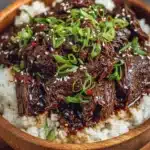
Slow Cooker Korean Beef
Ingredients
Method
- In a slow cooker, combine soy sauce, brown sugar, gochujang, garlic, ginger, sesame oil, and beef broth.
- Stir until the sugar dissolves and the gochujang is evenly distributed.
- Add the beef chuck roast to the mixture, ensuring it is well coated.
- Cover and cook on low for 8 hours or on high for 4 hours, until the beef is tender.
- Once cooked, shred the beef with two forks and mix it back into the sauce.
- Let it rest for 5 minutes after removing the lid, then serve over rice and garnish with green onions and sesame seeds.