
As a busy home cook, I know how challenging it can be to whip up delicious meals on weeknights without burning out or sacrificing flavor. That's why I've compiled my ultimate list of 24 chicken recipes that are not only quick and easy but also packed with mouthwatering flavors that your family will love. From zesty orange chicken to comforting chicken pot pie soup, each recipe comes with full instructions and tips to make your cooking experience a breeze. Get ready to discover your new go-to dinners that will make every weeknight feel special!
1. Orange Chicken
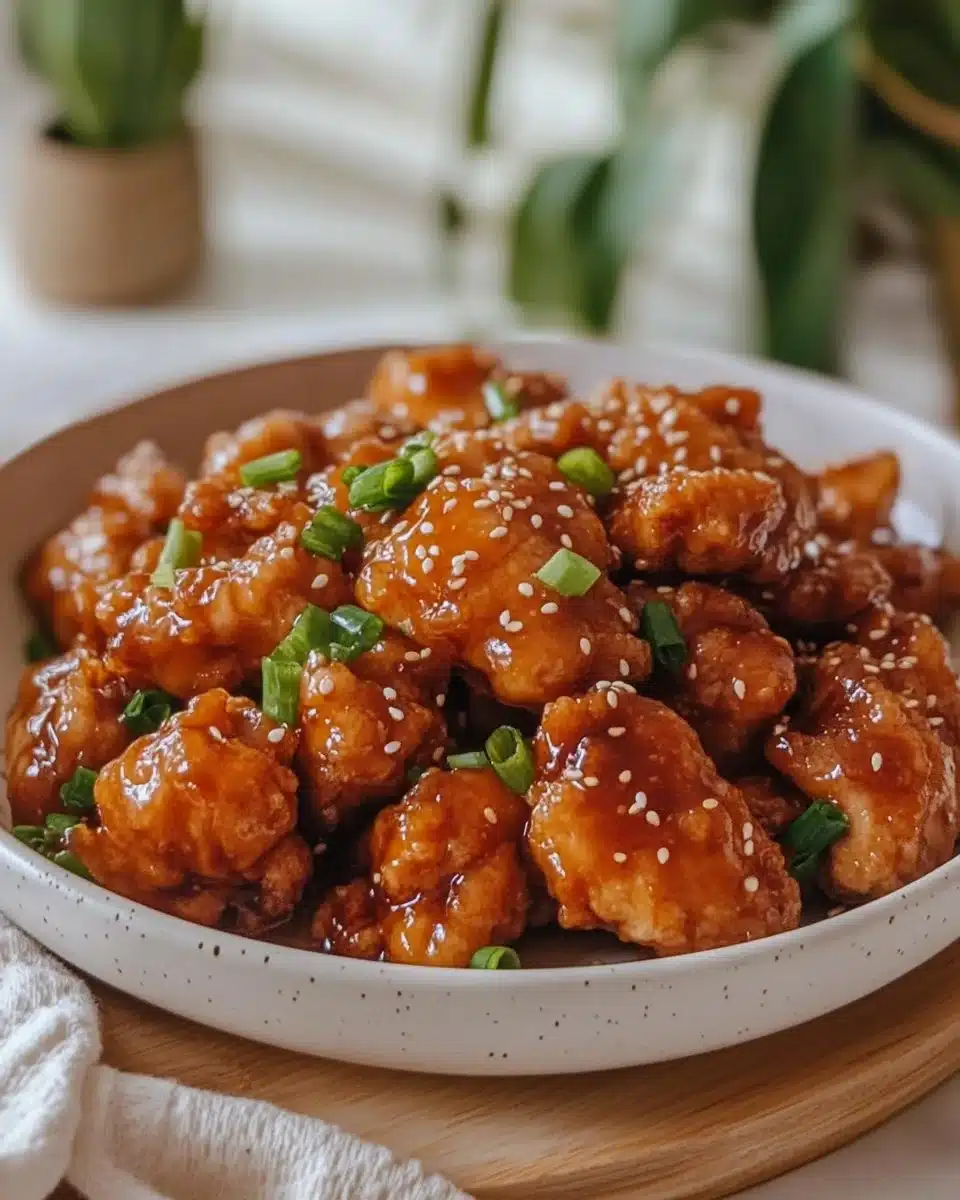

The kitchen smells like orange and warm soy, and my youngest is tapping a spoon against a bowl while my oldest pretends to set a restaurant table. The sound makes me smile because this is the kind of meal that gathers people: sticky, bright, a little sweet, and very forgiving. I remember my grandmother standing at a small stove, stirring a glaze and telling me that good food is part rhythm and part kindness. Tonight, that same rhythm is in an easy pan of Orange Chicken that comes together with simple ingredients and a lot of comfort. If you want a different take later, I sometimes switch to air frying for a lighter finish with recipes like these air fryer chicken recipes, but tonight we’ll stick to the golden, slightly sticky classic.
Why This Orange Chicken Feels Like Home
This Orange Chicken hits the sweet spot between weekday efficiency and weekend celebration. It cooks quickly, uses just one main pan for the sauce, and delivers that irresistible glossy orange glaze that makes everyone pause.
From the first sizzle to the last drizzle of glaze, it fills the house with a citrusy-sweet scent that pulls people toward the table. Meanwhile, the cornstarch dredge gives the chicken a crisp edge that soaks up the sauce without becoming soggy too fast.
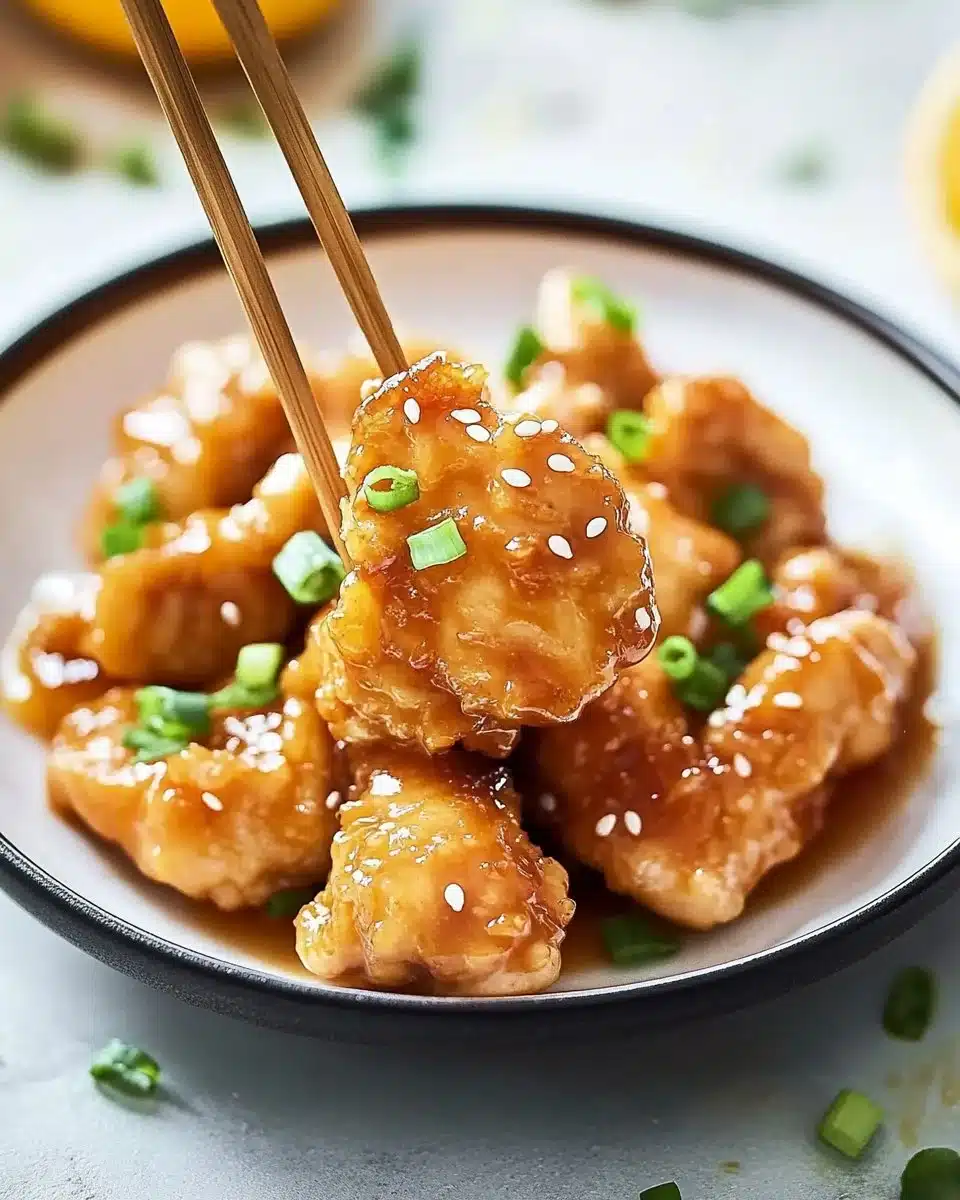
I love this recipe because it is flexible. You can use thighs for juicy, forgiving meat, or swap to breasts for something leaner. It ties into family memories for me: a weeknight treat after piano lessons, or the small celebration on a rainy Thursday when we need something to lift our spirits.
The Simple Magic Behind Orange Chicken
The magic is all in the balance. Acid from the orange and lemon brightens the soy and sugar. Ginger adds a warm bite, and cornstarch creates that almost-crunchy coat that traps the glaze. When you taste it, you get a crisp exterior, tender inside, and a bright, sticky finish.
This recipe is also forgiving on timing. A 30-minute marinade adds real depth, but you can marinate longer. Frying in batches keeps the chicken crispy and prevents the oil from cooling too much.
How to Make Orange Chicken, The Heartwarming Way
“This is where the magic happens—when the aroma fills the kitchen and my kids come running in, asking ‘Is it ready yet?’”
Here’s the short overview. First we marinate for flavor, then dredge in cornstarch for crunch, and fry until golden. From there, the marinade becomes the glaze when reduced and tossed with the fried pieces. The color you want is a deep, glossy orange that clings to the chicken. The texture cue is a lightly crisp shell that still gives way to a tender bite.
If you want a quicker method, try air frying for a lighter crisp. I sometimes switch to an air fryer for busy afternoons and rely on recipes like air fryer boneless chicken bites to keep things simple and fast.
Ingredients You’ll Need
1 lb chicken thighs, cut into bite-sized pieces
1/2 cup orange juice
2 tablespoons lemon juice
1/4 cup soy sauce
1 tablespoon fresh ginger, grated
1/2 cup cornstarch
2 cups vegetable oil for frying
1/4 cup honey or brown sugar (for glaze)
Salt and pepper to taste
A friendly note: don’t skip the fresh ginger. It brightens the whole dish and keeps the glaze from feeling flat. If you’re cooking for kids, honey gives a gentle sweetness; brown sugar adds a deeper caramel note. Use what’s in your fridge. This is about creativity, not perfection.
Step-by-Step Directions
-
In a bowl, mix the orange juice, lemon juice, soy sauce, grated ginger, honey or brown sugar, salt, and pepper.
Marinate the chicken pieces in this mixture for at least 30 minutes.
Tip: A little salt up front helps the chicken stay juicy. -
Dredge the marinated chicken in cornstarch until fully coated.
Shake off excess so each piece has a thin, even layer.
Tip: For extra crisp, let the coated pieces rest on a rack for 10 minutes before frying. -
Heat the vegetable oil in a pan over medium-high heat. Fry the chicken pieces in batches until golden brown and crispy. Remove and let drain on paper towels.
Don’t crowd the pan; crowded chicken steams instead of crisps.
Tip: Aim for oil around 350 to 375 degrees F if you have a thermometer. -
In a separate pan, add the marinade and bring to a simmer until it thickens slightly. Toss the fried chicken in the glaze until well coated.
Simmer gently so the sugar doesn’t burn. The sauce will go glossy as it reduces.
Tip: If the glaze gets too thick, loosen it with a splash of water or extra orange juice. -
Serve hot, garnished with sesame seeds or chopped green onions if desired.
Share it right away for the best texture.
Tip: Let the kids sprinkle the sesame seeds. It’s a small job that makes them feel helpful and proud.
A note from my experience: a little browning builds flavor, just like my grandmother showed me. If you have an air fryer and need a lighter route, that method is great for busy nights and works well with the same marinade.
Serving Orange Chicken with Love
We serve this family-style in the middle of the table. Put the chicken in a big shallow bowl so everyone can reach it easily. Add bowls of steamed rice, a crisp cucumber salad, and an extra saucy pot on the side for spooning more glaze.
One of my kids loves plain rice and a sprinkle of green onions. My partner is all about extra glaze. Meanwhile, I like a side of steamed broccoli or bok choy to cut the sweetness with a little green crunch.
If you want a protein swap, try pairing it with air-fried chicken breasts for a lighter plate and check out some air fryer chicken breast recipes for ideas on timing and temperature.
Storage & Reheat Tips (Keeping the Goodness)
Store leftover Orange Chicken in an airtight container in the fridge for up to 3 to 4 days. Keep the sauce and chicken together so the flavors meld, but know the crisp will soften over time.
For best texture when reheating, use the oven or an air fryer. Preheat to 350 degrees F and warm for 8 to 12 minutes. The oven brings back a bit of the crisp without drying the meat. The microwave is fine for a quick lunch, but it will make the coating softer.
If you plan to freeze, cool completely and freeze in a single layer on a tray before transferring to a sealed bag. Freeze up to 2 months and thaw overnight in the refrigerator before reheating.
My Kitchen Notes & Shortcuts
- Prep-ahead: Marinate the chicken in the morning and keep it covered in the fridge. It’s a small convenience that builds big flavor.
- Shortcut: Use pre-grated ginger in a pinch, but fresh is noticeably brighter.
- Kid help: Let them toss the chicken in cornstarch or sprinkle sesame seeds. Simple tasks invite conversation and pride.
- Lighter version: For a lower-oil method, air fry the coated pieces. I often use ideas from recipes like air fryer chicken tenders to adjust time and temperature.
- Swap idea: Try tofu instead of chicken for a vegetarian take; this vegan orange chicken tofu recipe is a great reference vegan orange chicken tofu recipe.
These small trades save time and keep the dish honest. The goal is to make it approachable so you cook more and stress less.
Family-Friendly Variations
Make it milder by reducing the ginger and using more honey.
Add a little chili sauce or red pepper flakes for grown-up heat.
Mix bell peppers and snap peas into the glaze at the end for color and texture.
Use breasts or thighs depending on what your family prefers; thighs give a juicier, more forgiving bite.
Let this be your base. The family will likely add their own preferences fast. I once added extra orange zest at the table because my son declared we needed “more sunshine.”
FAQs About Orange Chicken
Can I make this ahead for a busy week?
Absolutely. Marinating ahead helps the flavors develop. Cooked leftovers reheat well in the oven on busy nights.
How do I keep the chicken crispy?
Fry in batches and avoid overcrowding. Reheat in the oven or air fryer to restore texture.
Is the sauce too sweet for kids?
You can dial back the honey or sugar by half and add a splash more soy and a touch of lemon. It balances perfectly without losing the orange flavor.
Can I use frozen orange juice?
Yes. Fresh is best for brightness, but frozen or bottled orange juice works fine for convenience.
What if I don’t want to fry?
Air frying or oven-baking are good alternatives. The cornstarch helps give a crisp even when not fried. For timing, see air fryer guides referenced earlier.
One Final Thought from My Kitchen
I hope this Orange Chicken becomes a small ritual at your table, an easy way to bring people together on a busy evening. It is simple enough for a weeknight and special enough for those nights when you want to celebrate the ordinary. Give it a try and let it be a base for your family’s versions, memories, and tweaks. If it shows up at your table, my grandmother’s small stove would be smiling.
Conclusion
If you want another perspective on Chinese-style orange chicken, Modern Honey offers a classic take that inspired some of my glaze techniques Modern Honey’s Chinese Orange Chicken. For a slightly different approach and more tips, Nicky’s Kitchen Sanctuary has a lovely Orange Chicken recipe to compare notes with my family-style version Orange Chicken Recipe – Nicky’s Kitchen Sanctuary.
2. Brown Sugar Chicken
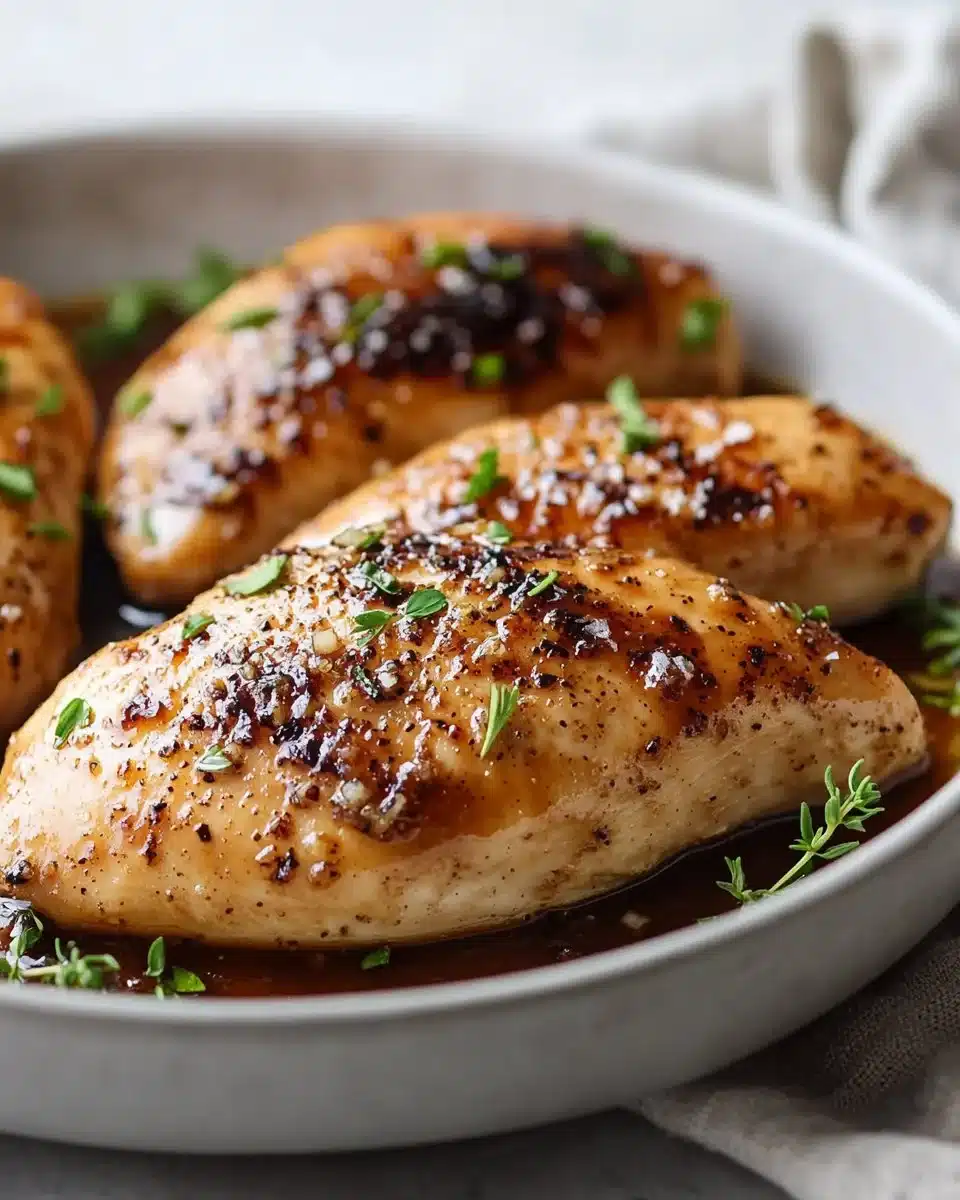

I can still hear the clink of plates as my kids set the table while the sauce bubbles gently in the oven. The smell is warm and a little sweet, the kind of scent that pulls everyone into the kitchen without having to call them. That first bite of Brown Sugar Chicken at our table always sparks a small chorus of "Mmm" and a few stories about someone’s day. It’s a simple recipe that stitches our evenings together, and it does so without fuss.
Why This Brown Sugar Chicken Feels Like Home
There is something about the way brown sugar caramelizes on chicken that remembers Sunday dinners at my grandmother’s house. The sauce turns glossy and clings to the meat, creating a comforting balance of sweet and savory.
This recipe matters because it arrives on the table quickly, uses a handful of pantry staples, and leaves room for conversation. It makes few dishes, so cleanup is gentle, too. Meanwhile, it has enough flavor to feel special when guests stop by unexpectedly.
If you like easy weeknight dinners that still taste like a hug, give this one a try. For hands-on cooks who love crispy edges, you might find similar techniques in my take on air fryer boneless chicken bites, which use higher heat to build that same caramelized goodness.
Why Brown Sugar Chicken is Our New Family Favorite
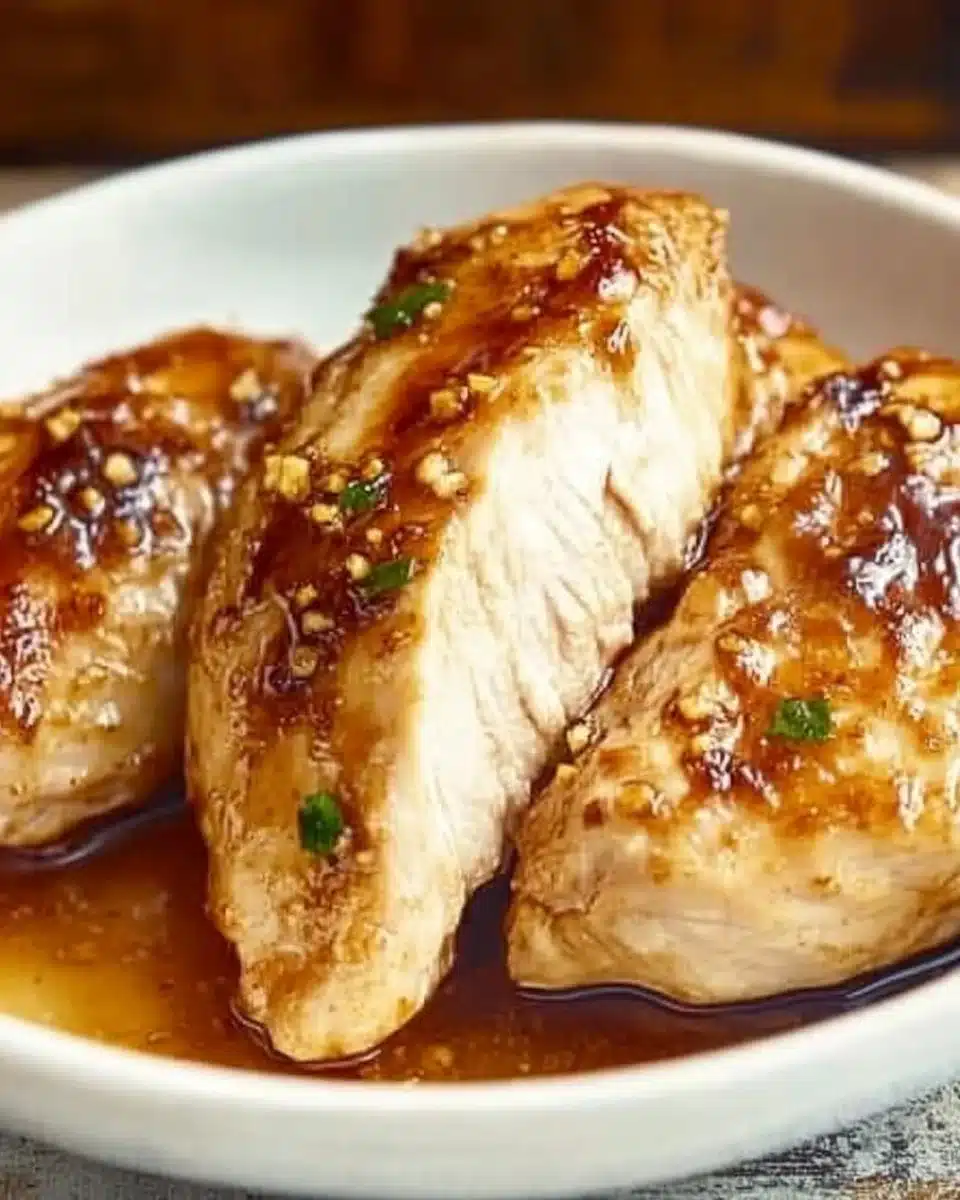
This dish works for busy nights because prep is quick and forgiving. You can whisk the sauce in less time than it takes to set the table. From there the oven does most of the work. The result is tender, juicy chicken with a golden-brown glaze that kids and adults both reach for.
The flavor logic is simple: brown sugar adds depth and a hint of molasses, soy sauce brings umami, and garlic keeps it grounded. Olive oil helps the sauce coat the chicken evenly, and a touch of red pepper flakes wakes up the sweetness if you like a little kick.
If you prefer a crispier finish, I often adapt the method for an air fryer, and I find the results delightful in recipes like these air fryer chicken breast recipes. It is an easy swap when time or texture calls for it.
The Simple Magic Behind Brown Sugar Chicken
“This is where the magic happens—when the aroma fills the kitchen and my kids come running in, asking ‘Is it ready yet?’”
Here is the heart of the method: coat the chicken with a glossy brown sugar and soy mix, pop it in the oven, and let warmth do the rest. You will watch the sauce thicken slightly and darken to an inviting caramel tone. The right cues tell you when it is ready.
Look for pale pink to disappear in the center and for juices that run clear when you cut into the thickest part. The edges may take on a little color, and that browning is flavorful, so don’t shy away from it. Meanwhile, the aroma should be sweet and garlicky, and the sauce should cling like a gentle blanket.
If you want a hands-on variation, try searing the breasts first in a hot pan for a minute or two per side to start building brown bits. Then finish in the oven for evenly cooked, deeply flavored chicken. For another weeknight-friendly take, you can browse my notes on air fryer chicken recipes to get inspired.
How to Make Brown Sugar Chicken, The Heartwarming Way
This overview keeps things joyful and simple. First, you mix the brown sugar sauce until it smells bright with garlic. Next, you nestle the chicken in a baking dish and let the sauce cover it. From there the oven does a gentle lift, transforming the sauce into a glaze and the chicken into dinner.
As the sauce simmers, you will notice the color change from pale to golden-brown. The texture shifts from liquid to a glossy coating, and that is your signal that the flavors have joined up. Once baked, let the chicken rest briefly to keep it juicy before slicing.
I like to fold in a few fresh herbs at the end for brightness. A sprinkle of chopped parsley or a few torn basil leaves lights up the plate. If you want a slightly spicier version, keep the red pepper flakes in. If you want milder, leave them out. And if the kids want to help, they can stir the sauce before it goes on the chicken.
Ingredients You’ll Need
4 boneless, skinless chicken breasts
1/2 cup brown sugar
1/4 cup soy sauce
4 cloves garlic, minced
1 tablespoon olive oil
1 teaspoon salt
1/2 teaspoon black pepper
1/2 teaspoon red pepper flakes (optional)
Friendly note: Don’t skip the fresh herbs at the end if you have them; they’re the soul of the dish. But also remember: use what’s in your fridge. This recipe is about creativity, not perfection. If you prefer dark meat, chicken thighs work too and will give a richer texture. For a lighter touch, reduce the brown sugar by a tablespoon or two.
If you are curious about similar sweet-savory pairings, my brown sugar pork chops post shows how a little sugar and umami go a long way: brown sugar pork chops.
Step-by-Step Directions
-
Preheat your oven to 375°F (190°C).
Make sure the rack sits in the middle so the chicken cooks evenly.
A preheated oven means more reliable results. -
In a bowl, mix together brown sugar, soy sauce, garlic, olive oil, salt, black pepper, and red pepper flakes.
Stir until the brown sugar starts to dissolve and everything smells garlicky.
Give it a quick taste and adjust salt or heat to suit your family. -
Place the chicken breasts in a baking dish and pour the brown sugar sauce over the top.
Arrange the breasts so each one gets some sauce; if needed, spoon the sauce on top.
Kids love helping to "coat" the chicken here, which makes them proud at dinner. -
Bake the chicken for 25-30 minutes or until the chicken is cooked through and no longer pink in the center.
Check at 25 minutes with a meat thermometer; 165°F (74°C) in the thickest part is safe and juicy.
If the sauce begins to darken too quickly, tent the dish with foil for the last few minutes. -
Remove from the oven and let the chicken rest for 5 minutes before slicing.
Resting keeps the juices inside the meat, and that five minutes makes a big difference.
Use the time to plate some sides and call everyone to the table. -
Serve warm and enjoy!
Spoon any remaining sauce from the dish over the sliced chicken for extra shine.
Watch faces light up as they taste the sweet, savory glaze.
Quick tip from the kitchen: If you want a bit more depth, stir a teaspoon of Dijon mustard or a splash of apple cider vinegar into the sauce before baking. It brightens the sweetness without stealing the show.
Serving Brown Sugar Chicken with Love
Serve this dish family-style in the center of the table and let everyone help themselves. We often place a big platter of sliced chicken and a ladle of sauce between bowls of sides so people can mix and match.
I like to pair it with simple sides that soak up the sauce: buttery mashed potatoes, steamed green beans, or a cabbage slaw. Rice is a classic choice because it catches every last bit of glaze. For a lighter dinner, serve it over mixed greens with a squeeze of lemon.
At our table, one child always wants extra sauce, another prefers the chicken without flakes, and my partner likes an extra sprinkle of black pepper. Sharing these small preferences makes the meal feel like a conversation. For a fun weeknight twist, serve the chicken in warmed tortillas with a crisp slaw for build-your-own tacos. If you enjoy little variations, check out my go-to ideas for air fryer chicken tenders for inspiration.
Storage & Reheat Tips (Keeping the Goodness)
Leftovers are a gift. Store cooled chicken in an airtight container in the fridge for up to 3 days. Spoon any extra sauce into a small container so you can re-glaze when reheating.
When reheating, the oven or a skillet gives the best results. Warm the chicken gently at 300°F (150°C) until heated through to preserve moisture. For a quick lunch, the microwave will do in a pinch, but cover the dish to trap steam and check often to avoid drying out.
If you want to freeze meals, wrap portions with sauce in freezer-safe containers for up to 2 months. Thaw overnight in the fridge before reheating. Honest note: the texture is nicest on day one, but reheated versions still make satisfying lunches and weeknight dinners.
My Kitchen Notes & Shortcuts
- Prep ahead: Mix the sauce and keep it covered in the fridge for up to 24 hours. Marinating for an hour deepens flavor, but no marinating is required.
- Quick sear: If time allows, sear breasts for 1 minute per side in a hot pan to build extra flavor before baking.
- Kid-friendly: Let children press the minced garlic into the bowl or sprinkle the red pepper flakes (or skip them). Little tasks make them feel helpful.
- Swap-in: Use thighs if you want a richer, more forgiving cut. Cook times may increase by 5-10 minutes.
- One-pan dinner: Add halved baby potatoes and carrots to the baking dish to roast with the chicken for a full meal with minimal cleanup.
These are the tricks I use when the week is full but I still want something comforting on the table. They save time and preserve flavor, which is the whole point of smart, joyful cooking.
Family-Friendly Variations
Make it your own. Here are a few ways to adapt Brown Sugar Chicken so it fits your family:
- Lighter version: Reduce brown sugar to 1/3 cup and add 1 tablespoon lemon juice to balance sweetness.
- Spicier family: Increase red pepper flakes to 1 teaspoon or add a splash of sriracha for kids who like heat.
- Herb-forward: Stir in chopped rosemary or thyme before baking for an earthy note.
- Sticky rice bowl: Slice the chicken and serve over sticky rice with steamed broccoli and a squeeze of lime.
- Kid-approved crunch: Double the sauce and toss sliced chicken with panko, then broil for the last 2 minutes for a crunchy finish.
Think of these as invitations. Each family will add its own small changes and stories, and that is how a simple dish becomes a tradition.
FAQs About Brown Sugar Chicken
Can I make this ahead for a busy week?
Absolutely. You can mix the sauce and store it in the fridge for up to 24 hours. An hour of marinating helps the flavors settle, but it also works great with no advance time.
What if my chicken is thicker or thinner than average?
Adjust the bake time. Thicker breasts may need another 5-8 minutes; thinner ones will be done earlier. A meat thermometer reading 165°F (74°C) in the center is the most reliable sign.
How do I avoid a soupy sauce?
If the sauce seems thin after baking, transfer it to a small pan and simmer it for a few minutes to reduce and thicken. A teaspoon of cornstarch mixed with water can also thicken quickly.
Can I use gluten-free soy sauce?
Yes. Tamari or another gluten-free soy alternative works fine and keeps the dish accessible for guests with sensitivities.
Is it safe to use honey instead of brown sugar?
You can substitute honey, but reduce the amount to 1/3 cup because honey is sweeter and more liquid. Watch carefully while baking because honey can darken more quickly.
One Final Thought from My Kitchen
Cooking for the people you love should feel like an act of generosity, not a production. Brown Sugar Chicken is one of those small miracles that brings comfort without complicated steps, and it keeps the table full of warmth and conversation.
Conclusion
I hope this recipe finds its way into your weeknights and family stories. If you want a reference for perfectly baked chicken techniques, I often consult the reliable tips found at Oven Baked Chicken Breast – RecipeTin Eats for timing and texture. For another brown sugar garlic take on chicken with helpful photos, see this clear walk-through at How to Make Brown Sugar Garlic Chicken (Quick Oven Recipe).
Until next time, happy cooking. Give it a try—your family might surprise you with how quickly it becomes a favorite.
3. Chicken with Potatoes
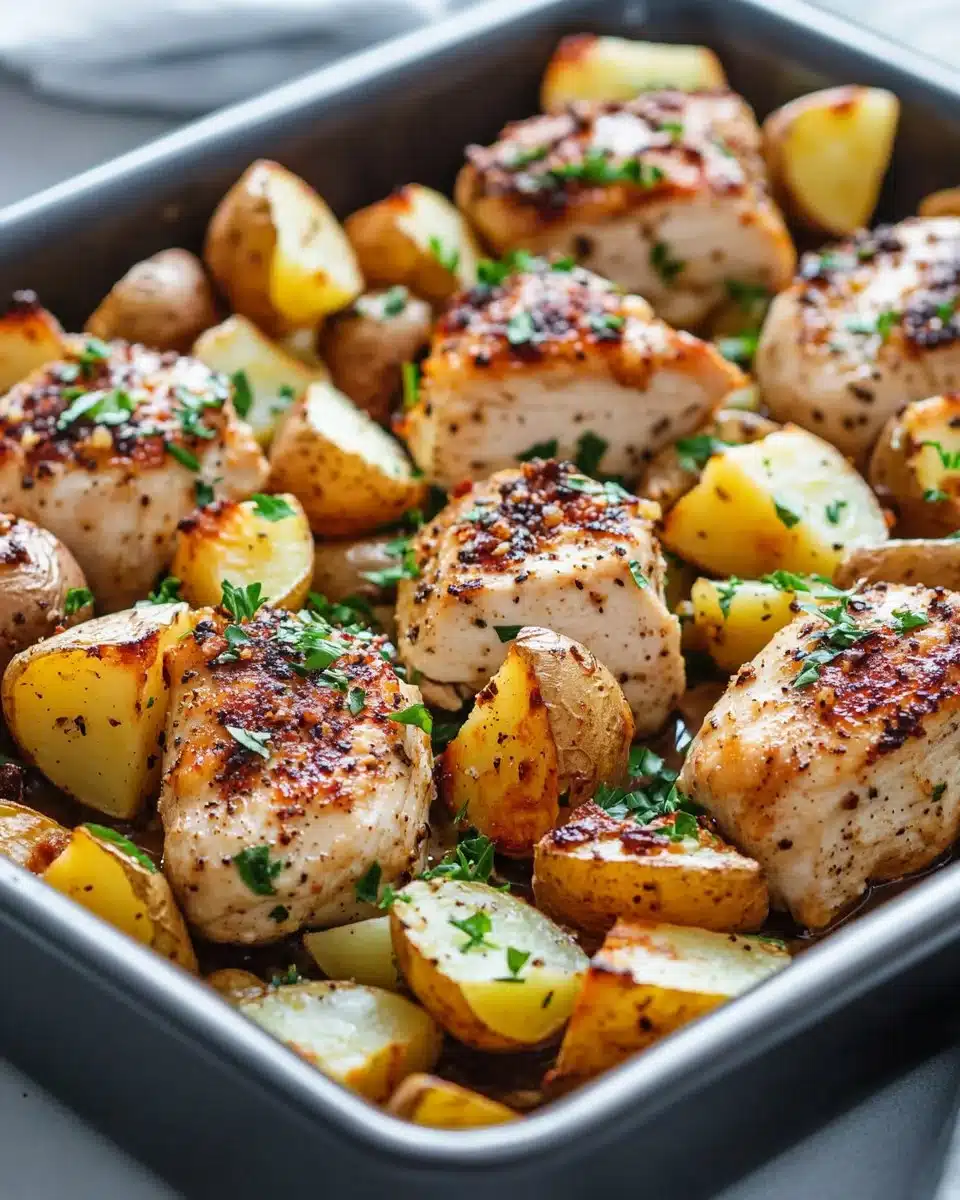

I remember the sound of the wooden spoons when my kids set the table, a soft clatter that always sounds like the start of something good. Tonight, the kitchen smells of garlic and paprika, and the oven hums as chicken and potatoes roast together. That simple smell takes me straight back to my grandmother’s small kitchen near the dam where we all squeezed around a tiny table. This is the kind of meal that invites conversation, seconds, and the quiet comfort of full plates. If you want a weeknight dish that feels like a hug, it is easier than it looks and wonderfully forgiving. For a little inspiration for other cozy dinners, I often peek at a favorite recipe for creamy dishes like this creamy garlic chickpea soup that gives me ideas for warming flavors.
Why This Chicken with Potatoes Feels Like Home
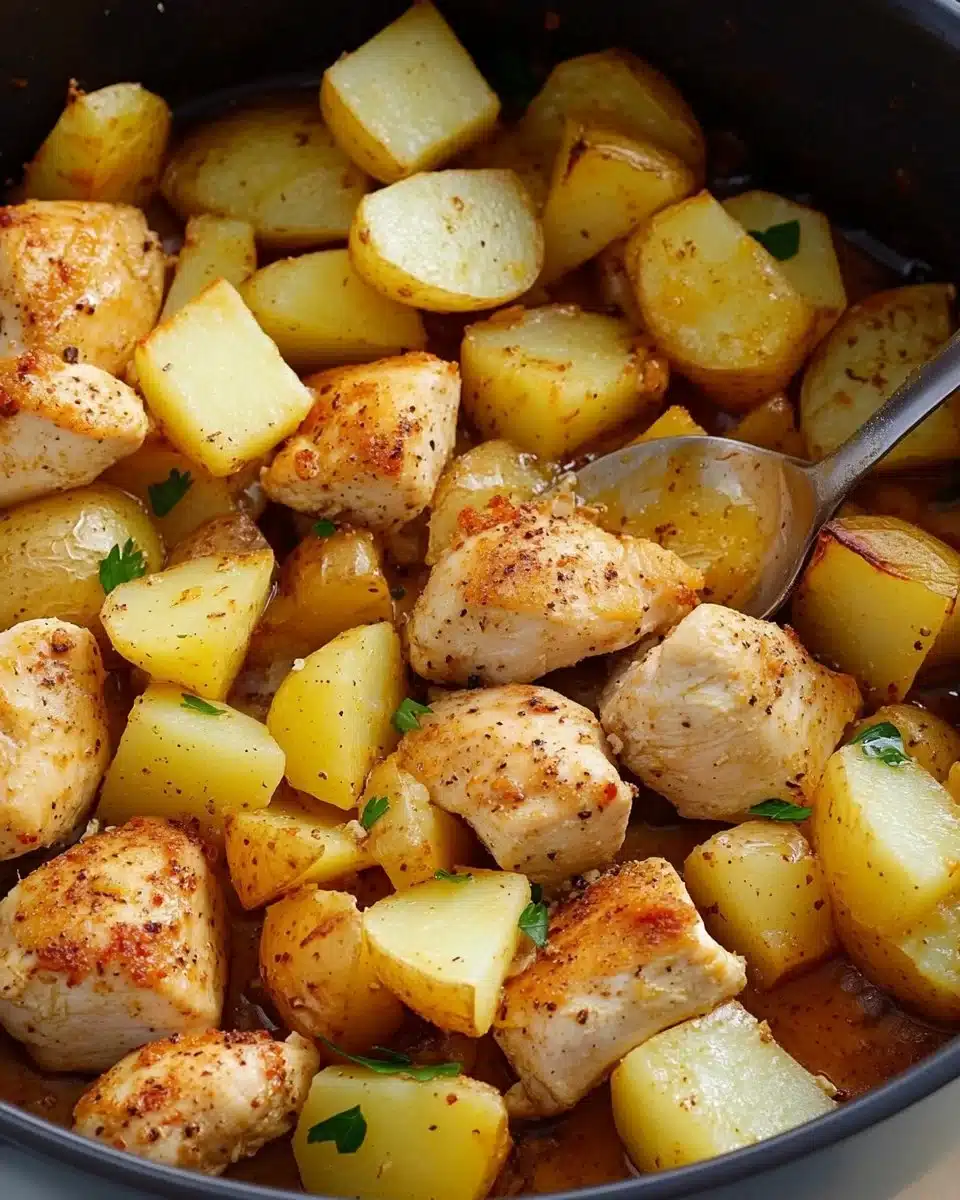
There is a kind of quiet magic when meat and starch roast together. The potatoes soak up a little of the chicken juices and become golden around the edges. The chicken stays tender when you coat it well and keep the oven hot enough to caramelize the top. That contrast of crisp and tender is what makes this meal feel like a proper family dinner.
This recipe is comfort without complexity. It asks for a single baking dish, a little time in the oven, and patience as the aroma fills your house. It is small on fuss and big on warmth. Serve it when you need a meal that says you care, even after a long day.
How to Make Chicken with Potatoes, The Heartwarming Way
“This is where the magic happens—when the aroma fills the kitchen and my kids come running in, asking ‘Is it ready yet?’”
Start by thinking about color and smell. You want the potatoes to show golden brown edges and the chicken to have a warm, inviting color on top. When the garlic and onion begin to soften and the paprika blooms in the oil, you know the base flavors are singing together.
Next up, keep everything simple and intentional. A little browning adds flavor, but you do not need a lot of steps. Let the oven do most of the work while you set the table and pour a glass of something for the adults. The whole process is straightforward and pleasing.
For a little reassurance on easy dinner ideas that let you breathe on busy nights, I often remind myself why hands-off dinners are my go-to, and this recipe fits that bill perfectly. If you love slow but steady flavor builds, you might also enjoy exploring other hands-off dinners like the hands-off comfort recipes I keep on hand.
Ingredients You’ll Need
4 boneless chicken breasts
4 medium potatoes, cut into cubes
2 tablespoons olive oil
2 cloves garlic, minced
1 onion, chopped
Salt and pepper to taste
1 teaspoon paprika
Fresh parsley for garnish
Don’t skip the fresh parsley. For me, herbs are the breath of a dish. If you have rosemary or thyme, they will also play nicely. Use what’s in your fridge and make the dish yours. If you want to know more about where this recipe voice comes from, check out a little note I wrote about our recipes and team over here about the author.
Step-by-Step Directions
-
Preheat oven to 200°C (400°F).
Make sure the oven racks sit in the middle so heat circulates evenly.
Preheating fully helps the chicken skin brown and the potatoes crisp. -
In a large baking dish, combine olive oil, garlic, onion, salt, pepper, and paprika.
Stir so the spices bloom in the oil and coat the onion.
Smell for that warm, slightly sweet garlic and paprika aroma. -
Add the chicken breasts and toss to coat.
Press the seasoning lightly onto the chicken so it sticks.
A little surface browning here builds flavor, just like grandma showed me. -
Add the cubed potatoes around the chicken, mixing them into the seasoning.
Try to spread the potatoes in a single layer so they brown evenly.
Let the kids mix the potatoes in; it is a safe, fun way to help out. -
Bake for 30-35 minutes or until the chicken is cooked through and the potatoes are tender.
Check the chicken with a thermometer; it should read 74°C (165°F).
If potatoes need more browning, pop under the broiler for 2-3 minutes and watch closely. -
Garnish with fresh parsley before serving.
Sprinkle parsley right before you bring the dish to the table to keep it bright.
Give it a quick rest for five minutes; the juices settle and the chicken stays moist.
A quick tip from my kitchen: if you like a little crisp on the chicken, turn the oven to broil for the last two minutes. Stand close and keep an eye on it so it does not go past golden. This is the fun bit where texture sings.
Serving Chicken with Potatoes with Love
We always set this dish in the middle of the table and let everyone help themselves. It is one of those meals that gets better when passed around. I like to bring out a small bowl of extra parsley and a pan of lemon wedges so people can brighten their portion as they like.
On busy nights I serve it with a simple green salad tossed in a mustard vinaigrette and warm bread to soak up any left-over juices. My son, who is picky about herbs, will always ask for extra potatoes and a little butter. My daughter prefers a drizzle of plain yogurt on the side. These small choices make the meal feel personal and shared.
If you want inspiration for side dishes that keep the table easy and balanced, I like to pair this kind of home-cooked roast with comforting staples from our pantry and baking shelf, and sometimes I reach for ideas that celebrate simple grains like these complete meal ideas that keep prep light.
Storage & Reheat Tips (Keeping the Goodness)
Let the dish cool for about 20 minutes before storing. This helps keep the chicken from steaming and getting soggy in the container.
Store in an airtight container in the fridge for up to 3 days. If you plan to keep it longer, freeze portions in a freezer-safe container for up to 3 months. Label with the date so you are not guessing later.
Reheat in the oven at 180°C (350°F) for 10 to 15 minutes to recover the roasted texture. For a quick lunch, the microwave works fine, but expect the skin to soften. If reheating from frozen, thaw in the fridge overnight and warm in the oven so the potatoes re-crisp a little.
For extra brightness the second day, a squeeze of lemon or a sprinkle of fresh parsley will bring the flavors back to life. If you want baking tips that help with storing and making baked goods ahead, I sometimes pair fridge and make-ahead ideas with simple recipes like my go-to muffins for breakfast the next day make-ahead tips.
My Kitchen Notes & Shortcuts
- Trim and pound the chicken slightly if you want even cooking. It is a small step that pays off when kids prefer uniform pieces.
- Cube the potatoes the night before and keep them in cold water in the fridge. Drain and pat dry before you toss them with oil. This saves time and keeps them from discoloring.
- Use a pre-chopped onion bag or a frozen minced garlic when time is tight. Flavor will still be friendly and hearty.
- If you have rosemary, scatter a few sprigs on top before baking for a woodsy lift. It pairs beautifully with potato.
- If you are feeding picky eaters, roast a few carrot coins with the potatoes for sweetness they often love.
If you enjoy simple swaps and short cuts, I find putting together bowls and one-pan meals keeps dinner time calm and joyful. For more ideas on no-fuss meals that still feel special, these grain bowls are a great way to stretch dinner into an easy plan for the week complete meal ideas.
Family-Friendly Variations
- Lighter version: Use skinless chicken and toss the potatoes with less oil. Add a squeeze of lemon at the table for brightness.
- Creamy finish: When it comes out of the oven, swirl a tablespoon of mascarpone or plain yogurt into the pan juices and spoon over the chicken for a gentle, creamy finish.
- Kid-friendly: Add diced sweet potato in place of half the white potatoes for a sweeter, softer bite. Kids who avoid herbs might like a mild cheddar sprinkle.
- Spicy twist: Add 1/2 teaspoon smoked paprika and a pinch of cayenne for a smoky heat that adults love. Keep a plain portion for the kids if needed.
- Veg-forward: Add bell pepper slices or quartered cherry tomatoes for color and an extra vegetable serving. Tomatoes will add a pleasant acidity as they roast.
These swaps keep the spirit of the dish but let you tell your own story. Try one change at a time and see how your family responds.
FAQs About Chicken with Potatoes
Can I make this ahead for a busy week?
Absolutely. You can assemble the dish and refrigerate it for a few hours before baking. Let it come to room temperature for 15 minutes before you pop it in the oven so it cooks evenly. Letting flavors mingle a little can improve the final dish.
How do I know the chicken is cooked without a thermometer?
Cut a small slit at the thickest part. The juices should run clear and the meat should be opaque, not pink. A thermometer is the easiest and most reliable method, and I recommend one if you cook often.
Can I use bone-in chicken?
Yes. If you use bone-in pieces, add about 10 to 15 minutes to the baking time, and check with a thermometer. Bone-in meat often stays more moist, but needs a bit more time.
My potatoes are browning too fast. What should I do?
Loosen them into a single layer and move the dish to a lower rack. You can tent with foil for part of the cooking time to keep them from over-browning while the chicken finishes.
Is there a gluten-free or dairy-free concern?
This recipe is naturally gluten-free and dairy-free as written. Just keep an eye on any condiments or sides you pair with it.
One Final Thought from My Kitchen
I hope this simple roast finds its way into your week, into the little rituals of setting the table and sharing stories. When I make this, the kitchen fills with that slow, cozy smell and my family gathers even when everyone has had a long day. Give it a try, tweak it how you like, and take pleasure in how small, steady steps in the kitchen bring comfort to the table.
Conclusion
If you want to see a quick visual review of a similar roasted chicken and potatoes idea, this Review da perna de frango e batatas assadas do Mercadona offers a handy reference. For more traditional inspiration and a take that adds tomatoes, see this classic version of Frango ao forno com tomates e batatas – Technicolor Kitchen which I have returned to when I want a tomato-scented roast.
Until next time, happy cooking and may your kitchen always smell like welcome.
4. Slow Cooker Chicken Stew Recipe
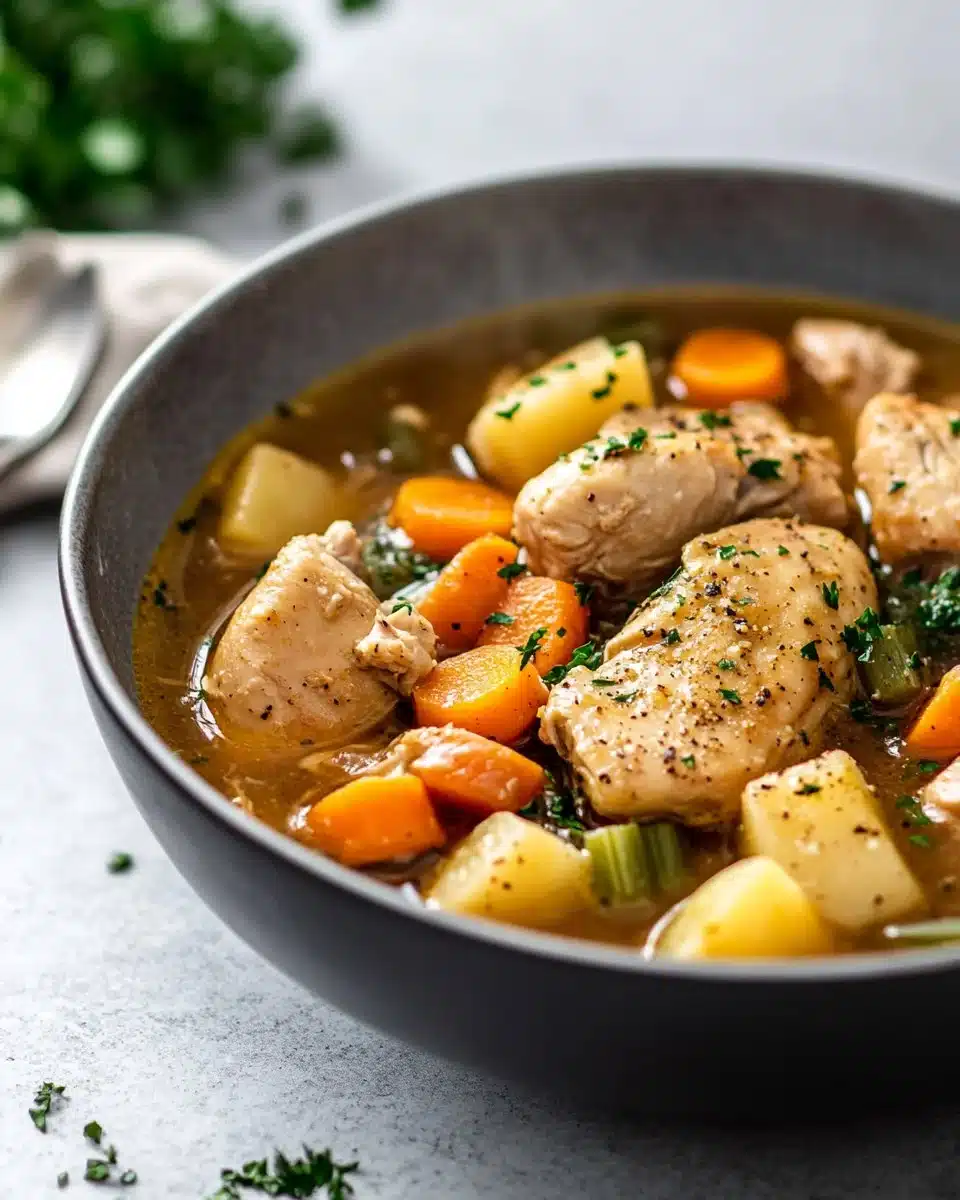

I remember the afternoon my kids set the table with mismatched bowls while a warm pot of Slow Cooker Chicken Stew Recipe hummed in the background. The kitchen smelled of garlic and thyme, and my youngest pressed his face to the oven glass, asking if the steam meant it was ready. It is one of those dishes that quietly gathers everyone, and if you are curious about gentle weeknight meals, I sometimes pair it with ideas from this slow cooker recipes for diabetics collection when I need to keep things simple and balanced.
Why This Slow Cooker Chicken Stew Recipe Feels Like Home
This Slow Cooker Chicken Stew Recipe is the kind of meal that arrives in the house like a warm hug. It is patient in the slow cooker and makes the kitchen smell like comfort. The broth deepens while you do homework, fold laundry, or get a little work done.
It matters because it lets you be a parent, partner, and cook all at once. You do a little prep, let the cooker work its magic, and come back to a dinner that feels cooked with intention. Meanwhile, the simple flavors please picky palates and older taste buds alike, which is why it sits on our weekly rotation.
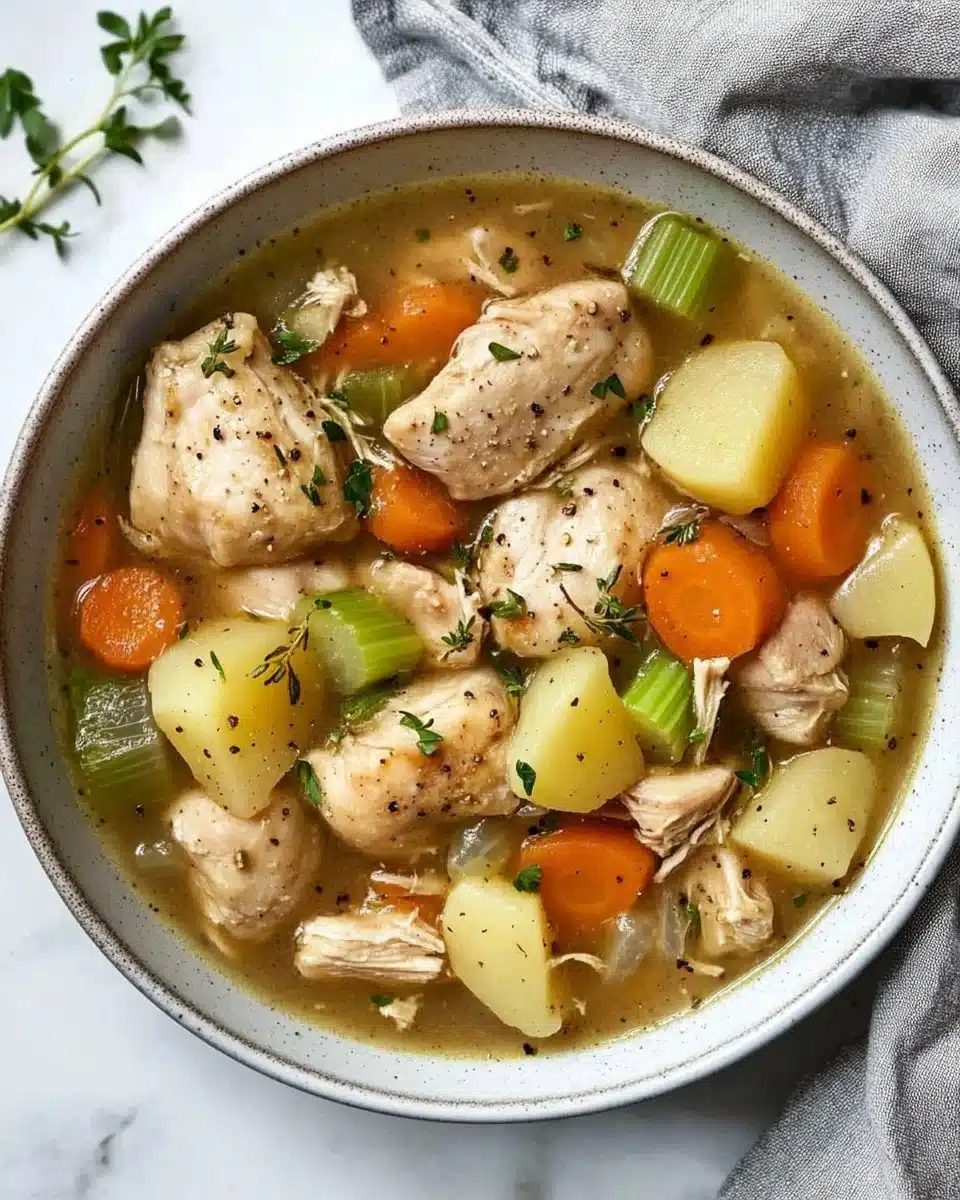
I like to think of this as a bridge between fast weeknights and cozy weekend dinners. It is unpretentious yet reliable. If you enjoy other slow cooker favorites, it shares a comforting spirit with my garlic butter chicken and veggies, especially when everyone is hungry after a long day.
The Simple Magic Behind Slow Cooker Chicken Stew Recipe
The magic here is in the timing and the small flavor notes. A little sear on the chicken, a handful of herbs, and a long, low simmer add up to a stew that has depth without complexity. You will notice the broth turning a warm, golden color and the potatoes falling apart in the best possible way.
“This is where the magic happens—when the aroma fills the kitchen and my kids come running in, asking ‘Is it ready yet?’”
Look for soft vegetables, tender chicken that shreds with a fork, and a broth that feels rounded on the tongue. These are the clues that tell you this stew is ready to serve.
How to Make Slow Cooker Chicken Stew Recipe, The Heartwarming Way
This version of Slow Cooker Chicken Stew Recipe is forgiving. It accepts substitutions and little detours, and it rewards you for small acts like browning the chicken first.
Start by gathering your tools. A good slow cooker, a sturdy skillet for searing, a wooden spoon, and a ladle make the process smooth. From there, the cooker does the heavy lifting while you handle the finishing touches.
Ingredients You’ll Need
2 pounds boneless, skinless chicken thighs or breasts
3 carrots, diced
3 celery stalks, diced
1 onion, diced
4 medium potatoes, peeled and cubed
4 cloves garlic, minced
4 cups low-sodium chicken broth
2 tablespoons tomato paste
1 teaspoon dried thyme
2 bay leaves
Salt and pepper, to taste
1/4 cup all-purpose flour (optional, for thickening)
Fresh parsley, chopped (for garnish, optional)
Don’t skip the fresh parsley; it is the small bright note that wakes the stew up. Use what’s in your fridge when you need to; if you only have sweet potatoes or a few parsnips, they will work just fine. If you want a lighter twist, you can swap breasts for thighs or reduce the oil when searing.
If you like lemony slow cooker meals, this recipe shares ideas with my lemon herb chicken with fluffy rice, especially when you want a fresher finish at the end.
Step-by-Step Overview: Keeping It Simple
Step 1: Sear the chicken in a hot skillet until golden brown.
A little browning builds flavor, just like grandma showed me. Sear in batches so the pan stays hot and caramelizes the meat.
Step 2: Place the seared chicken, diced vegetables, potatoes, minced garlic, and bay leaves into the slow cooker.
Layering is fine here. Scatter the potatoes so they cook evenly and tuck the herbs between pieces for even flavor.
Step 3: Sprinkle thyme, salt, and pepper over the ingredients and stir to distribute the flavors.
Start light with salt. You can always add more at the end. If you taste too bland near the end, a pinch more salt brightens everything.
Step 4: Pour in the chicken broth. If using flour, whisk it with a little broth or water before adding, or sprinkle over and stir to thicken.
Whisking the flour first avoids clumps. If you prefer cornstarch, stir a slurry with cold water at the end and simmer for ten minutes.
Step 5: Cover and cook on low for 6–8 hours or on high for 3–4 hours, until chicken and vegetables are tender.
Low and slow is forgiving. If the potatoes break down too much, try higher heat next time or use waxy potatoes.
Step 6: Remove bay leaves, taste and adjust seasoning, and serve garnished with fresh parsley.
A final taste test is worth five minutes. Add a squeeze of lemon or a splash of cream if you want richness.
If you want to borrow techniques, the same slow-cooking approach works great for my other staple, the slow cooker lemon herb chicken.
Quick tip: Let the stew rest for 10 minutes before serving. It settles the broth and makes ladling easier.
Serving Slow Cooker Chicken Stew Recipe with Love
We serve this Slow Cooker Chicken Stew Recipe family-style right in the slow cooker or a large bowl in the middle of the table. Each person takes what they want, and we pass simple sides around.
I like crusty bread or plain steamed rice on the side. A light salad keeps things fresh, and a spoon of plain yogurt or sour cream on the side pleases kids and adults alike. One of my kids always asks for extra parsley, while my partner prefers a dash of hot sauce.
We often set a small tray with garnishes: chopped parsley, lemon wedges, and warm rolls. Let everyone add what they like. It makes dinner feel like a shared event.
If you want a cozy side, try a potato-based companion from this easy potato soup recipes list for the next weeknight when you want more spoonable comfort.
Storage & Reheat Tips (Keeping the Goodness)
Cool the stew to room temperature before storing. Transfer to airtight containers and refrigerate for up to four days.
For longer storage, freeze in meal-size portions for up to three months. Thaw overnight in the fridge before reheating.
To reheat, the oven works wonders for a cozy dinner. Warm in a covered dish at 325 degrees until heated through. The microwave is fine for quick lunches, but the oven or stovetop brings back that "just-made" warmth. If the broth thickened in the fridge, thin with a little hot water or broth when reheating.
Tip: If you plan to freeze, leave the flour out and thicken after thawing. It keeps the texture more stable.
My Kitchen Notes & Shortcuts
- Prep once, assemble later: Chop the vegetables the night before and store them in the fridge. It makes morning assembly five minutes.
- No sear? No problem: If you are short on time, toss everything in the slow cooker. Searing adds flavor but is not required.
- Kid jobs: Give kids a small task like washing parsley or stirring the broth after you add it. They love being part of dinner.
- Thicken at the end: For a creamier finish, stir in a splash of cream or a whisked egg yolk off the heat. It adds silk without overpowering the flavors.
- Swap freely: Use chicken you have on hand. Leftover roasted chicken works beautifully, especially if added toward the last hour of cooking.
These small tricks keep the stew approachable and adaptable to whatever your week brings.
Family-Friendly Variations
Make it lighter: Use chicken breasts and less oil, and finish with a squeeze of lemon for brightness.
Make it richer: Add a splash of cream or stir in a tablespoon of butter before serving.
Add greens: Stir in chopped kale or spinach in the last 20 minutes for color and vitamins.
Make it heartier: Add a cup of barley or pearl couscous in the last hour for a stewier meal.
Spice it up: Add a teaspoon of smoked paprika or a pinch of red pepper flakes if your family likes heat.
These small variations let you add your family’s taste to the recipe. Give it a try you might surprise yourself.
FAQs About Slow Cooker Chicken Stew Recipe
Can I make this ahead for a busy week?
Absolutely. In fact, letting it sit for an hour helps the flavors marry. It stores well for lunches and makes a great freezer meal.
Is it better to use thighs or breasts?
Thighs are more forgiving and stay tender with long cooking. Breasts work if you prefer leaner meat, but watch the texture so it does not dry out.
How do I thicken the stew without flour?
Make a cornstarch slurry with equal parts cornstarch and cold water, then stir it into hot stew and cook for ten minutes. Or mash a few potatoes into the broth.
Can I double the recipe for a crowd?
Yes. Most slow cookers handle doubling fine, but increase cook time slightly if the cooker is very full. Make sure there is still space for steam to circulate.
What if my potatoes fall apart?
Use waxy potatoes like Yukon gold to keep more shape. For stew with softer potatoes, it can be lovely and thick, almost like a pot pie filling.
One Final Thought from My Kitchen
I hope this Slow Cooker Chicken Stew Recipe finds a place in your week, bringing ease and warmth to your table. If it does, let it be a quiet way your family shares a moment, even on busy nights.
Conclusion
If you want to see another take on slow cooker chicken stew with a bright garnish, check this version at Slow Cooker Chicken Stew | Living Lou for inspirational plating ideas.
For a cozy recipe that leans into classic flavors and clear technique, I also like this companion recipe at Slow Cooker Chicken Stew – Oh Sweet Basil.
5. Chicken Pot Pie Soup Recipe
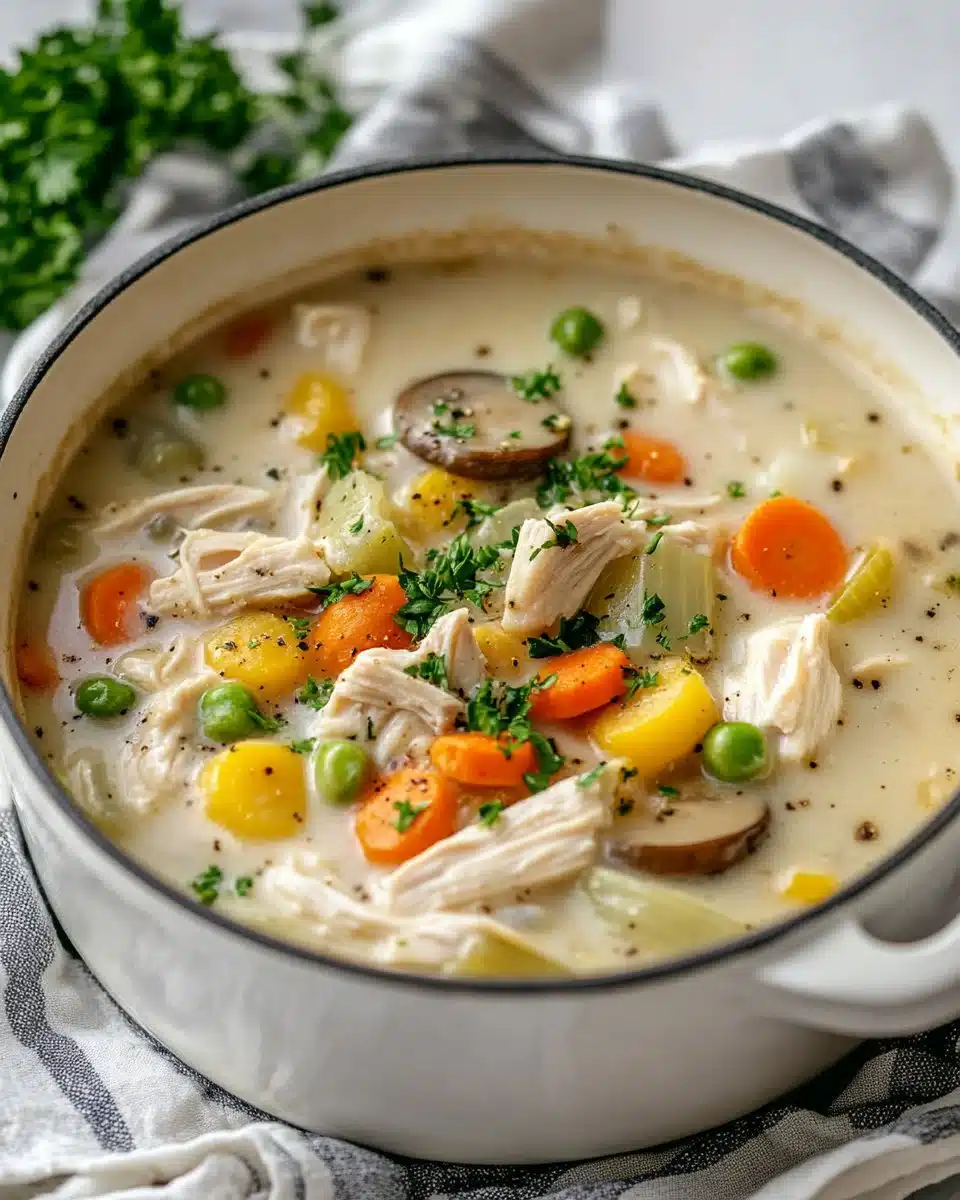

I can still hear the clatter of plates and the small, excited footsteps as my kids set the table while the pot on the stove shimmied and sighed. The warm, buttery smell that rose from the pan took me back to my grandmother’s small kitchen by the river, where every spoonful felt like a gentle hello. If you like cozy soups with the spirit of a pie, give this Chicken Pot Pie Soup Recipe a try and see how easily it gathers people. For a different slow-cooker comfort, I sometimes peek at a recipe like a slow-cooker coconut chicken soup when I want a change of pace.
Why This Chicken Pot Pie Soup Recipe Feels Like Home
There is a soft hush that comes over the house when this soup simmers. The mixture of butter, caramelized onions, and potatoes makes the whole kitchen feel like a warm blanket. 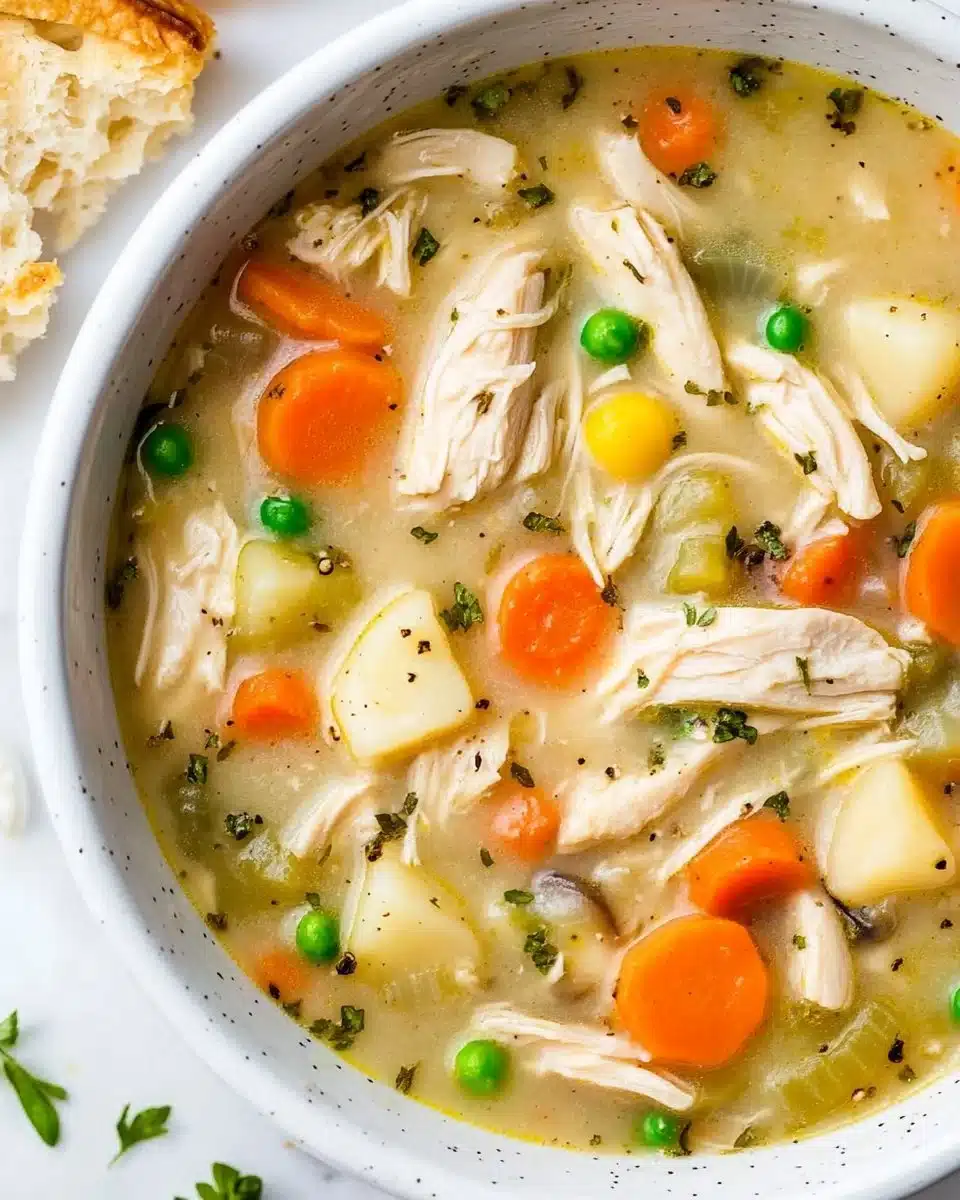
This recipe tastes familiar but is simple enough for a weeknight. It blends rich, creamy broth with tender chicken and a mix of vegetables so every spoonful has both comfort and bright, clean flavors. It is the kind of meal that invites second helpings and quiet conversation.
I make it when I want something that feels special without fuss. It is forgiving, which means you can use what you have on hand and still end up with a family favorite.
Why Chicken Pot Pie Soup Recipe is Our New Family Favorite
What I love about this version of chicken pot pie soup is how it hits the same notes as a classic pot pie but in far less time. The roux gives a gentle thickness and the cream adds that rounded finish. The potatoes give body in place of a crust, which is perfect for busy nights.
It also travels well. Pack it in jars for a neighbor who needs dinner, or spoon it into bowls and let everyone top their own serving. The familiarity of the flavors makes it a low-risk win for picky eaters and hungry teens alike.
The Simple Magic Behind Chicken Pot Pie Soup Recipe
The magic is mostly in timing and a little butter. Brown the vegetables just enough to coax out sweetness. Stir in flour and let it cook until it smells faintly nutty. Add broth, potatoes, and simmer until tender. Then fold in shredded chicken, peas, corn, and cream. It is almost like building a pot pie in a bowl.
This recipe allows small kitchen moments that matter. Let your kids measure the peas. Hand over the wooden spoon for a final stir. Those tiny tasks become memories as the kitchen fills with a delicious, homey aroma.
Why This Recipe Works for Our Busy, Joyful Nights
It cooks from start to finish in under an hour when the chicken is already cooked. You can use leftover roast chicken, a rotisserie bird, or quickly poach some breasts the day before. The few dishes mean less cleanup, and the soup keeps well for lunches or a second dinner.
This is comfort that fits into a real week. No one needs to be a perfect cook to make this sing.
How to Make Chicken Pot Pie Soup Recipe, The Heartwarming Way
“This is where the magic happens—when the aroma fills the kitchen and my kids come running in, asking ‘Is it ready yet?’”
Start with butter and softened vegetables to build a base of sweet, savory flavor. From there, a little flour thickens the broth just enough so each spoonful coats the spoon without feeling heavy. Once the potatoes are tender and the cream is added, the soup glows a soft, comforting color and the aroma will tell you it is nearly ready.
Look for these cues: onions should be translucent and slightly golden, mushrooms softened and fragrant, and potatoes tender when pierced with a fork. When the cream is added, the soup should look silkier and slightly paler. Give it a taste and adjust salt gently so the vegetables and chicken can shine.
Ingredients You’ll Need
6 Tbsp unsalted butter
1 medium yellow onion (1 cup chopped)
2 medium carrots (thinly sliced into rings)
2 celery sticks (finely chopped)
8 oz white or brown mushrooms (sliced)
3 garlic cloves (minced)
1/3 cup all-purpose flour
6 cups chicken stock
3-4 tsp salt ((or to taste))
1/2 tsp black pepper
1 lb Yukon gold potatoes (peeled and sliced into 1/4” thick pieces.)
5 cups cooked chicken ((shredded))
1 cup frozen peas
1 cup corn ((frozen or canned))
1/2 cup whipping cream
1/4 cup parsley (finely chopped, plus more for garnish)
Don’t skip the fresh parsley. It is the small bright note that lifts the whole pot. Use what’s in your fridge if needed; frozen vegetables can stand in well and often make this recipe even more convenient. If you enjoy potato-forward soups, you might like to explore other ideas in a list I keep of 20 easy potato soups for inspiration, and it often helps me plan sides that pair well with this soup: a round-up of potato soup recipes.
Step-by-Step Directions
-
Heat a dutch oven or soup pot over medium/high heat and melt in 6 Tbsp butter.
Add chopped onion, chopped celery, and sliced carrots and sauté 5-7 minutes, stirring occasionally, until softened and lightly golden.
A little browning here builds flavor, just like grandma showed me. -
Add sliced mushrooms and garlic and sauté for another 5 minutes, stirring occasionally until softened.
Let the mushrooms release their juices and the garlic become fragrant without burning. -
Add 1/3 cup flour and stir constantly for 1 minute until golden.
This cooks the raw flour taste away and starts your gentle thickening. -
Add 6 cups chicken stock, sliced potatoes, 3 1/2 tsp salt (or to taste), and 1/2 tsp black pepper.
Bring to a boil then reduce heat to a simmer, partially cover and cook 12-15 minutes or just until potatoes are tender. -
Add shredded chicken, frozen peas, and frozen corn, 1/2 cup heavy whipping cream and 1/4 cup parsley.
Bring back to a simmer and continue to cook for another 5 minutes or until peas and corn are tender. Season to taste with salt and pepper and remove from heat.
A quick tip: if your potatoes are cooking unevenly, cut a couple into smaller pieces to match the rest. Let the kids stir this final stage; they will love watching the cream swirl into the broth. For a playful twist, I sometimes add a handful of shredded cheddar right at the end for a cheesy finish. If you are curious about fun pasta versions that echo pot pie flavors, I keep a pasta-style idea that inspired me called chicken pot pie pasta which blends similar flavors: a chicken pot pie pasta recipe.
Preparing Chicken Pot Pie Soup Recipe Without the Stress
This recipe trusts you to take small shortcuts. Roast a whole chicken when you have time and use the leftovers. Keep a bag of pre-sliced mushrooms and frozen corn and peas in the freezer. Store-bought rotisserie chicken is a welcome helper on especially busy days.
If you want to cut time further, use pre-chopped mirepoix from the grocery store or a food processor to chop the vegetables quickly. Just be gentle with the onions so they do not overcook and lose that gentle sweetness.
Serving Chicken Pot Pie Soup Recipe with Love
We serve this soup family-style in the middle of the table with a large ladle and bowls for everyone to help themselves.
I like to set out extra parsley, cracked black pepper, and some crunchy crackers or warm biscuits. My kids love dipping buttery crackers into the broth.
On cold nights, I pair it with a simple green salad for brightness or a loaf of crusty bread for dunking. For little ones, I keep a small bowl of grated cheese on the side so they can sprinkle a bit on top. The help-yourself approach makes dinner relaxed and warm.
If your family likes slightly different textures, try serving the soup with biscuits on the side, or spoon it over mashed potatoes for a heartier plate. For a Tex-Mex twist that my sister adores, serve with sliced avocado and tortilla chips, inspired by some slow-cooked soups I love: a crockpot tortilla soup idea.
Storage & Reheat Tips (Keeping the Goodness)
Let the soup cool to room temperature for no more than two hours, then transfer it to airtight containers. It keeps well in the refrigerator for 3 to 4 days.
To reheat on the stove, warm slowly over low to medium heat so the cream does not split. Add a splash of stock or water if it seems too thick. The microwave is fine for a quick lunch, stir halfway through to heat evenly.
For longer storage, freeze in portion-sized containers for up to 3 months. Thaw overnight in the refrigerator before reheating. When reheating from frozen, warm gently and add a little cream or milk toward the end to refresh the texture.
My Kitchen Notes & Shortcuts
- Use leftover or rotisserie chicken to save time. It makes this soup weeknight-friendly and still full of flavor. You can find other easy slow-cooker ideas I turn to when life gets busy, like this one I use for hands-off dinners: a crockpot chicken tortilla soup.
- Swap half-and-half for the heavy cream if you want to lighten the finish a bit. The soup will still feel indulgent and taste rich.
- Peel the potatoes if you like a silky texture. Leave the skins on for more rustic bites and a little extra fiber.
- Make the base a day ahead. Reheat, add chicken and frozen veggies, and dinner is ready in 10 minutes.
- Let kids arrange garnish bowls or measure the peas. It makes them part of the meal and gives you a moment to breathe.
Family-Friendly Variations
If you want to make this more kid-friendly, cut vegetables into small dice and keep spices mild. For a lighter version, swap half the butter for olive oil and use half-and-half or milk instead of the heavy cream.
To make it heartier, add cooked barley or small pasta shapes in the last 10 minutes of cooking. For a herb-forward bowl, stir in a bit of thyme or tarragon with the parsley.
If you like smoky flavors, add a teaspoon of smoked paprika when adding the stock. For a quick gluten-free version, use a gluten-free flour blend or a cornstarch slurry to thicken after the stock is added.
FAQs About Chicken Pot Pie Soup Recipe
Can I make this ahead for a busy week?
Absolutely. In fact, letting it sit for an hour lets the flavors get to know each other, just like an old family recipe. Store in the fridge for up to four days or freeze for longer.
Can I use frozen vegetables?
Yes. Frozen peas and corn work wonderfully. Add them near the end of cooking so they do not turn mushy.
How do I make it thicker or thinner?
If you want it thicker, mash a few potato pieces against the side of the pot and stir, or simmer a bit longer uncovered. For thinner, add more stock or a splash of milk as you reheat.
Can I skip the cream?
You can. The cream adds richness but skipping it keeps the soup lighter. Try a splash of milk for a gentler finish or a non-dairy alternative if needed.
What is the best chicken to use?
Cooked shredded chicken works best. Rotisserie chicken is a great shortcut. If cooking from raw, poach breasts until just cooked, cool, and shred.
One Final Thought from My Kitchen
Until next time, happy cooking. I hope this Chicken Pot Pie Soup Recipe brings a warm table and little stories to your home. It has become a quiet tradition for us, and I love imagining it making its way into your family moments too.
Conclusion
If you want additional inspiration or a different take on this cozy favorite, I often browse other family-tested recipes like the one I use for texture and flavor ideas shared in this version of Chicken Pot Pie Soup – The Country Cook. For a chef-style spin and step-by-step photos that match the comforting feel of this soup, I also find helpful ideas in Best Chicken Pot Pie Soup Recipe – The Pioneer Woman.
6. Green Chile Chicken Stew Recipe


I can still hear my youngest scraping a spoon on the counter as the stew simmered, the kitchen filling with a warm, green-scented steam that made everyone slow down. My mother used to open a window when she cooked with chilies, even in winter, and that little ritual always feels like part of the recipe. This Green Chile Chicken Stew Recipe is that kind of meal: familiar, a little spicy, and exactly what we reach for when we want comfort with a spark.
If you enjoy bright, herb-forward meals you can make quickly, you might also like my spin on the best Peruvian chicken with creamy green sauce which shares the same idea of fresh herbs and bold flavor.
Why This Green Chile Chicken Stew Recipe Feels Like Home
This stew is cozy without being heavy, and it carries a warmth that lands like a hug on busy evenings. The green chilies give a gentle heat and a vegetal brightness. Meanwhile, the tomatoes and corn add a sunny sweetness that keeps the stew balanced.

We make this on school nights and on slow Sundays. It comes together with a single pot, a short simmer, and a few pantry staples, so it fits perfectly into a real family schedule. If you are short on time but still want depth of flavor, check my roundup of air fryer chicken breast recipes for ideas to pair or swap proteins without losing that homemade feeling.
This recipe matters because it is fast, forgiving, and full of texture. The chicken stays tender and the corn gives little pops of joy. You can stretch it into lunches or fold it into a taco night, and it never loses that sense of home.
The Simple Magic Behind Green Chile Chicken Stew Recipe
“This is where the magic happens—when the aroma fills the kitchen and my kids come running in, asking ‘Is it ready yet?’”
At a glance, the method is straightforward: brown, simmer, and finish with herbs and lime. The aromas you want to notice are the sweet softened onions, the toasted scent of cumin and paprika, and the green, almost peppery lift from the diced chilies. The color should be a warm tomato-gold with flecks of green and bright yellow corn.
When the chicken is fork-tender and the stew smells like a reunion of pantry friends, you are on the right track. Texture cues matter: the onion should be translucent and soft; the broth should feel slightly thickened from simmering, not watery; and the chicken should fall apart easily when pressed.
How to Make Green Chile Chicken Stew Recipe, The Heartwarming Way
This is a one-pot dinner that gives back in leftovers. It is built around simple technique and clear flavors so even cooks who are new to chilies or to stews can feel confident. The key is a bit of browning on the chicken and a calm simmer to let flavors come together.
Ingredients You’ll Need
2 tablespoons olive oil
1 medium onion, chopped
3 cloves garlic, minced
1 pound boneless, skinless chicken thighs, cut into bite-sized pieces
2 cups chicken broth
2 cups diced tomatoes (fresh or canned)
1 can (4 oz) diced green chilies
1 cup corn kernels (fresh, frozen, or canned)
1 teaspoon ground cumin
1 teaspoon dried oregano
1 teaspoon paprika
salt and pepper (to taste)
1 cup chopped fresh cilantro (for garnish)
Lime wedges (for serving)
Don’t skip the fresh herbs; they are the soul of the dish. Use what’s in your fridge and give yourself permission to swap in frozen corn or leftover tomatoes. This stew is about creativity, not perfection.
Step-by-Step Overview: Keeping It Simple
This is a low-stress recipe. Brown the chicken for flavor, soften the aromatics, add the liquids and spices, simmer until tender, and finish with cilantro and lime. The stew will smell like a home-cooked dinner should: layered, bright, and inviting.
Preparing Green Chile Chicken Stew Recipe Without the Stress
-
Heat the olive oil in a large pot or Dutch oven over medium heat.
Warm the pan until the oil shimmers gently. This prevents sticking and starts the flavor base. -
Add the chopped onion and sauté for about 3-4 minutes, until translucent.
Stir occasionally so the onion softens evenly and releases sweetness. -
Stir in the minced garlic and cook for another minute until fragrant.
Garlic can burn fast; keep it moving and wait for that warm, nutty smell. -
Add the chicken pieces to the pot, season with salt and pepper, and cook until browned, about 5-7 minutes.
Let the chicken get a little color; a little browning builds flavor, just like grandma showed me. -
Pour in the chicken broth and add the diced tomatoes, diced green chilies, corn, cumin, oregano, and paprika. Stir well to combine.
Scrape up any browned bits from the bottom; they are flavor gold. -
Bring the mixture to a boil, then reduce the heat to low. Cover and simmer for 30 minutes, stirring occasionally, until the chicken is cooked through and tender.
This gentle simmer lets the flavors marry and the chicken become tender without drying out. -
Taste and adjust seasoning if necessary. If you prefer a thicker stew, simmer uncovered for an additional 5-10 minutes.
A final seasoning check is worth it; salt is what makes everything sing. -
Serve hot, garnished with chopped fresh cilantro and lime wedges on the side.
The lime is the brightness that lifts the whole dish; don’t skip it.
Quick tips as you work: let the kids stir at step 5 if you want to make this a family moment. If your schedule is tight, brown the chicken the night before and refrigerate it; the stew will come together even faster the next day.
Serving Green Chile Chicken Stew Recipe with Love
We serve this family-style, center of the table, with everyone helping themselves and grabbing lime wedges as they like. In my house, one child sprinkles extra cilantro, another likes a squeeze of lime and crumbled tortilla chips on top. Offer warm tortillas, crusty bread, or a bowl of rice for stretching the stew into more bowls.
For sides, a crisp green salad and a simple slaw give contrast to the warm stew. If you have pickled onions or a jar of salsa, set them out; the tangy hits make the dish sing. Someone will likely ask for extra hot sauce, and that is fine. Meals are better when everyone can customize them.
Storage & Reheat Tips (Keeping the Goodness)
This stew stores beautifully. Cool it to room temperature for no more than two hours, then transfer to airtight containers.
Refrigerator: Keeps well for up to 4 days.
Freezer: Freeze in portions for up to 3 months. Leave a little headroom in the container as liquids expand when frozen.
Reheating: The microwave is fine for a quick lunch, but reheating gently on the stovetop brings back that just-made warmth. Add a splash of chicken broth or water if it has thickened too much. If frozen, thaw overnight in the fridge before reheating, or simmer slowly from frozen until heated through.
Honest note: the cilantro will fade in the fridge, so I reserve fresh herbs for the moment of serving. A fresh squeeze of lime after reheating makes all the difference.
My Kitchen Notes & Shortcuts
- Use bone-in chicken if you want extra depth. Remove bones after simmering for easy serving.
- Swap in leftover roasted chicken or grab cooked chicken from the fridge to cut cook time in half. This is a great place to use saved cooked meat.
- Make this in a slow cooker by browning the chicken and onions first, then transferring everything to the slow cooker for 3-4 hours on low.
- Freeze individual portions in freezer-safe containers for grab-and-go lunches.
- If you are really pressed for time, sear the chicken in an air fryer and finish the stew on the stovetop. It pairs well with many air fryer chicken recipes you might already love.
These small shortcuts keep flavor intact while saving time. Little changes like prepping the onion and garlic ahead or using pre-chopped frozen corn shave minutes and make weeknight cooking peaceful.
Family-Friendly Variations
Make it your own and invite your family to weigh in. Here are a few ideas:
- Kid-pleasing milder version: use only half the green chilies and offer lime and cilantro at the table for those who want more.
- Lighter version: swap chicken thighs for chicken breast or even turkey breast, and keep an eye on simmer time to prevent drying.
- Heartier version: add diced potatoes or white beans for more bulk and fiber.
- Tex-Mex twist: top with shredded cheese, avocado slices, and crushed tortilla chips for a festive finish.
- Make it smoky: stir in a spoonful of chipotle in adobo for a smoky depth. Just start small and taste.
You can also pair this stew with a crunchy side inspired by quick chicken recipes like air fryer honey butter garlic chicken tenders as a playful weekend option for a crowd.
FAQs About Green Chile Chicken Stew Recipe
Can I make this ahead for a busy week?
Absolutely. In fact, letting it sit for an hour lets the flavors get to know each other, just like an old family recipe. It reheats well and often tastes better the next day.
Can I use frozen chicken?
Yes, but thaw it first for even cooking. If you need to work from frozen, increase simmer time and check for doneness carefully.
How spicy is this stew?
It is gently spicy from the green chilies. If you prefer more heat, add chopped jalapeño or a pinch of cayenne. For milder mouths, use less of the chilies or a mild green variety.
What goes best with this stew?
Corn tortillas, rice, crusty bread, or a simple salad. The lime and cilantro are the happy finishers.
Can I make this vegetarian?
Yes. Substitute firm tofu or chickpeas for the chicken and use vegetable broth. Add extra corn and beans for satisfying texture.
One Final Thought from My Kitchen
I hope this Green Chile Chicken Stew Recipe finds its way to your table the way it has to mine: in the middle of a busy week, in a bowl that everyone reaches for, with little hands adding herbs and laughter. Give it a try—you might surprise yourself with how quickly it becomes one of your go-to meals.
Conclusion
If you want to see other takes on a similar comforting dish, I often consult a straightforward version found at Green Chile Chicken Stew – Life Made Simple for inspiration on textures and plating. For another lovely family-friendly approach that emphasizes warmth and simplicity, I also recommend Green Chile Chicken Stew – Dessert for Two as a helpful reference.
7. Easy Homemade Chicken Pot Pie Casserole
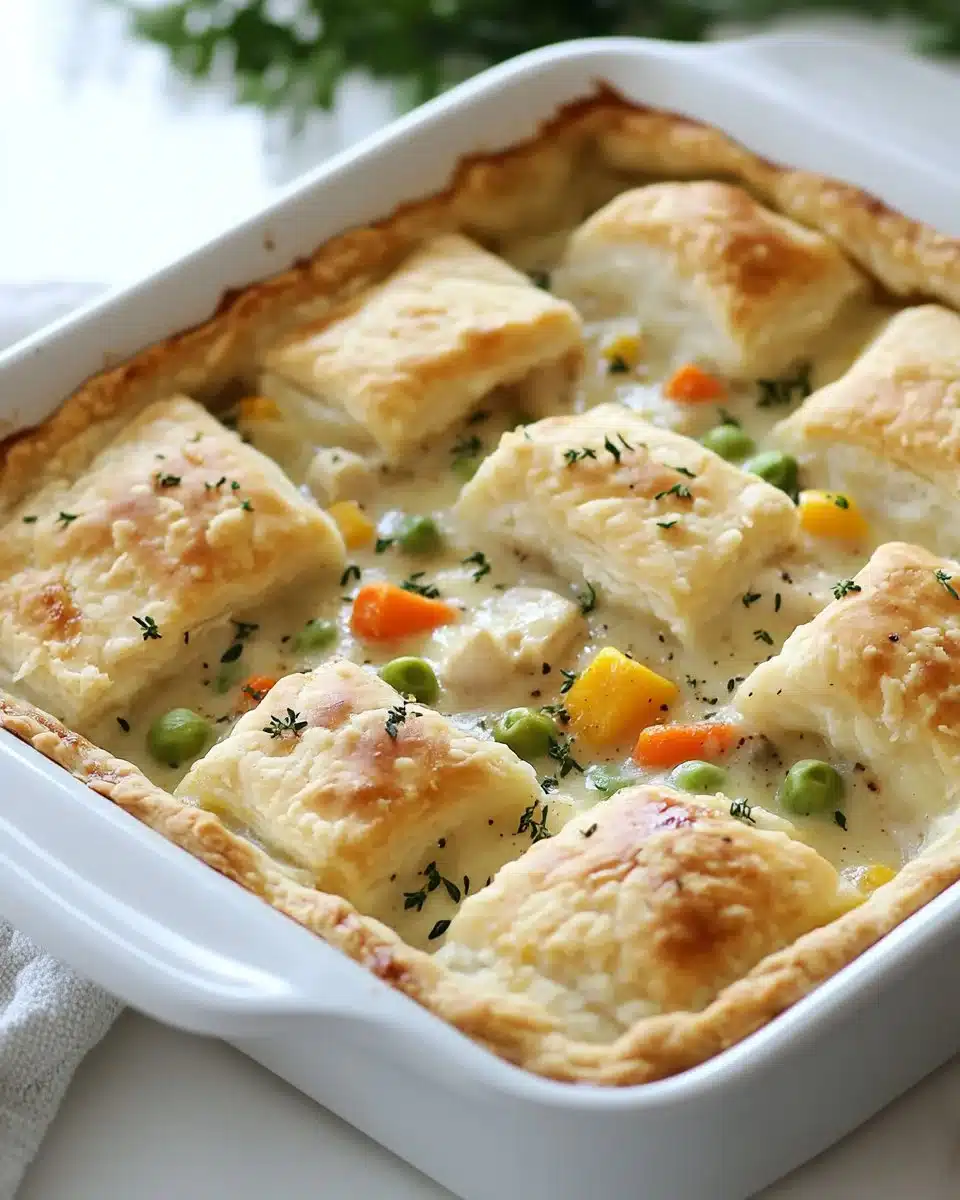

A bubble of steam rises when I lift the foil and the smell of buttery crust and warm thyme wraps around the kitchen like a familiar blanket. My kids chatter about homework while spoons clink and someone always asks, “Is it pot pie night?” That small chorus has become our ritual, and this Easy Homemade Chicken Pot Pie Casserole is the star that makes everyone pull up a chair. If you like comforting dinners with minimal fuss, you might also enjoy my twist on chicken comfort food like chicken pot pie pasta, which is another family-friendly way to use the same flavors in a hurry.
Why This Easy Homemade Chicken Pot Pie Casserole Feels Like Home
This casserole hits the sweet spot between convenience and the kind of comfort food that sparks conversation. It bakes up with a golden top and a tender, saucy filling that tempts even the pickiest eaters. The texture is creamy, the vegetables give little pops of color and bite, and the crust becomes that flaky, buttery finish everyone loves.
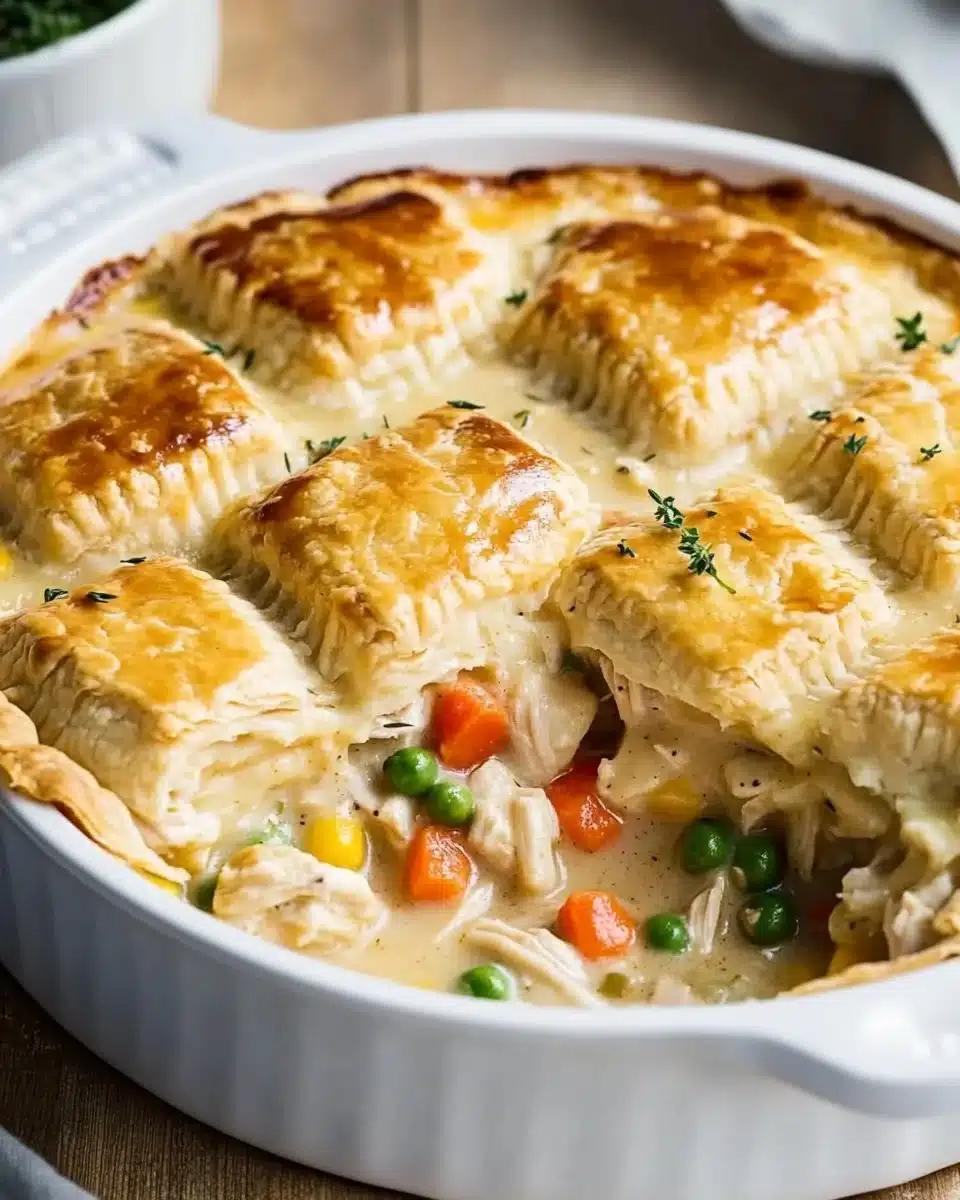
I love recipes that make weeknights feel special without extra stress. This version uses pantry-friendly staples and cooked chicken, so it comes together quickly. It’s forgiving, too: swap a vegetable here, add a pinch more thyme there, and it still sings. It’s the sort of dish my grandmother would have approved of—simple, honest, and full of warmth.
Why Easy Homemade Chicken Pot Pie Casserole is Our New Family Favorite
This casserole scores high on three things we care about: speed, flavor, and cleanup. It takes the cozy flavors of a classic pot pie and turns them into a one-dish wonder. That means fewer plates to wash and more time to talk at the table. It also stretches well for hungry teens or for feeding a crowd.
Because it uses shredded cooked chicken and a can of cream soup to build the sauce, you can assemble it while the oven preheats or let older kids help with stirring and topping. My son loves placing the crust; it’s his job now, and he beams when it browns to perfection.
The Simple Magic Behind Easy Homemade Chicken Pot Pie Casserole
“This is where the magic happens—when the aroma fills the kitchen and my kids come running in, asking ‘Is it ready yet?’”
At its heart, this recipe is about balance. The cream of chicken soup gives silkiness and body. The chicken adds protein and familiarity. Mixed vegetables bring color and a fresh pop. The crust or biscuits on top bake to a crisp, buttery cover that keeps the filling cozy and bubbly. Watch for visual cues: golden crust, bubbling edges, and a fragrant thyme note that tells you the casserole is ready.
How to Make Easy Homemade Chicken Pot Pie Casserole, The Heartwarming Way
This recipe is straightforward and kind to busy evenings. You can use leftover roast chicken, rotisserie chicken, or poached chicken breasts. If you like, make the filling the day before and top and bake when you are ready to eat. The filling should be saucy but not soupy; it will thicken slightly as it bakes. Keep an eye on the crust—if it browns too fast, tent with foil.
Ingredients You’ll Need
1 lb cooked chicken, shredded
2 cups mixed vegetables (e.g., carrots, peas, corn)
1 can (10.5 oz) cream of chicken soup
1 cup chicken broth
1 teaspoon onion powder
1 teaspoon garlic powder
1 teaspoon dried thyme
Salt and pepper to taste
1 package refrigerated pie crusts or biscuits
Friendly note: don’t skip the thyme if you can help it. Herbs add a little lift that makes the dish feel homemade. If you only have frozen mixed vegetables, rinse them under warm water to remove any icy crystals so the filling won’t get watery. If you used leftover chicken from an easy slow-cooker meal like my cheesy chicken and broccoli rice, this casserole is a perfect next-day use.
Step-by-Step Overview: Keeping It Simple
-
Preheat oven to 400°F (200°C).
Preheat so the crust gets right to work as soon as the casserole goes in. -
In a large bowl, combine cooked chicken, mixed vegetables, cream of chicken soup, chicken broth, onion powder, garlic powder, thyme, salt, and pepper.
Stir gently until everything is evenly coated. Taste and adjust salt and pepper; this is the time to tweak flavors. -
Pour the mixture into a greased baking dish.
Spread it into an even layer so each scoop has a good balance of chicken, veg, and sauce. -
Roll out the pie crust or biscuits over the top of the chicken mixture.
If using pie crust, let it sit slightly to relax so it covers smoothly. For biscuits, place them side by side for a rustic look. -
Cut slits in the crust for ventilation.
These small vents help steam escape and keep the crust flaky instead of soggy. -
Bake for 30-35 minutes or until the crust is golden brown.
A little browning builds flavor, just like grandma showed me. If the crust is getting too dark, cover loosely with foil. -
Let cool for a few minutes before serving.
This short rest lets the filling settle so you get neat slices and safer bites for little ones.
Quick encouragement: Let the kids help with step 4—arranging the biscuits or pinching the edges is always a hit. And if you want extra flavor, sprinkle a little grated cheese or chopped fresh parsley on top during the last five minutes of baking.
Preparing Easy Homemade Chicken Pot Pie Casserole Without the Stress
The beauty of this casserole is that you can prep bits ahead. Poach or roast chicken the day before. Combine the filling in the morning and refrigerate. Top with crust and bake when you return home. If you want to assemble and freeze, cover the unbaked casserole tightly and freeze for up to three months. When you bake from frozen, add about 15–20 minutes to the bake time and tent with foil until heated through.
Serving Easy Homemade Chicken Pot Pie Casserole with Love
When I serve this casserole, I bring it to the center of the table and everyone helps themselves. It’s warm, casual, and somehow perfect with simple sides that don’t compete with the main event. We like a bright side salad for crunch, roasted green beans, or buttery dinner rolls if we’re feeling extra cozy.
Children usually go for the heartier spoonfuls while adults steal extra crust corners. A drizzle of hot sauce or a spoonful of apple sauce can be a surprising, tasty partner depending on your family’s tastes. For a lighter plate, serve a crisp salad with a lemon vinaigrette alongside; for full-on cozy comfort, garlic mashed potatoes are a dream.
Pair it with an easy soup on colder nights—if you love potato soups, check out my roundup of easy potato soup recipes for inspiration.
Storage & Reheat Tips (Keeping the Goodness)
Store leftover casserole in an airtight container for up to 3 days in the refrigerator. If you want to freeze portions, transfer individual servings into freezer-safe containers and freeze for up to 2 months. Thaw in the refrigerator overnight before reheating.
For reheating, the oven is your friend. Preheat to 350°F (175°C) and heat covered for 15–20 minutes until warmed through, then uncover for 5 minutes to refresh the crust. The microwave is fine for a quick lunch: heat on medium power in 30-second bursts to avoid overcooking. If the crust gets soggy, a quick blast in a 375°F (190°C) oven for 7–10 minutes will crisp it back up.
My Kitchen Notes & Shortcuts
- Use rotisserie chicken to save time. It’s an easy shortcut that keeps the dish tasting homemade.
- Swap the cream of chicken soup for cream of mushroom for a deeper, earthier flavor if you prefer.
- Make it low-sodium by using low-salt broth and checking the soup can’s salt levels. Adjust seasonings at the end.
- Freeze single portions in disposable foil dishes for effortless weeknight dinners—pull one out, thaw, and bake.
- Let kids assemble the top crust; it’s a fun way to get them involved and teach kitchen confidence.
If you want a different texture, try using shredded puff pastry squares on top for a flakier finish. The kids will love the puffy pockets.
Family-Friendly Variations
Make it your own by switching in what you have. Here are a few tried-and-true tweaks we use at home:
- Vegetarian version: Replace chicken with cubed, roasted cauliflower and white beans for protein. Add a splash of milk to keep the filling creamy.
- Cheesy twist: Stir in 1/2 cup shredded cheddar for a richer sauce. It’s a hit with kids.
- Herby bright: Add 1 tablespoon chopped fresh parsley and 1 teaspoon lemon zest for a fresher finish.
- Grain boost: Mix in cooked brown rice or quinoa to stretch the casserole and add whole grains.
- Kid-friendly mini pots: Use biscuit dough to make individual pot pies in a muffin tin for portion control and fun presentation.
If you like bold flavors, you can also pair this casserole with a quick Asian-inspired chicken from my slow-cooker pantry lineup like the tangy easy crockpot General Tso’s chicken for a themed week of kid-pleasing meals.
FAQs About Easy Homemade Chicken Pot Pie Casserole
Can I make this ahead for a busy week?
Absolutely. Assemble the filling and refrigerate for up to 24 hours before topping and baking. It actually lets the flavors mingle a bit, which I always like.
What if I only have raw chicken?
Bake or poach chicken breasts until just cooked, then shred. If you are short on time, store-bought roasted chicken works beautifully.
How can I make the crust extra flaky?
Brush the crust with a beaten egg before baking. This adds shine and helps the crust brown evenly. If using biscuits, brush the tops lightly too.
Is this okay for picky eaters?
Yes. The flavors are mild and familiar. You can sneak in extra vegetables finely diced or swap in favorites. My daughter eats hers with extra peas and always asks for seconds.
How do I avoid a soggy bottom?
Don’t overload with extra liquid. If your vegetables release water, drain briefly. Preheating the oven and using a hot baking dish helps the bottom set quickly.
One Final Thought from My Kitchen
This Easy Homemade Chicken Pot Pie Casserole has become our family’s go-to for nights when we want something warm, filling, and kind to busy schedules. It’s the sort of recipe that grows with you: simple the first time, personal the tenth, treasured by the fiftieth.
Conclusion
If you want a few more ways to riff on this cozy dish, I like to compare recipes and ideas like the Cozy Chicken Pot Pie Casserole Recipe for technique and the playful take on tradition in the Chicken Pot Pie Casserole – Retro Recipe Box. Give this version a try—you might just start a new ritual at your table. Until next time, happy cooking and warm gatherings.
8. Red Lobster Biscuit Chicken Pot Pie


I remember the afternoon my kids set the table while the kitchen smelled like warm butter and garlic. The sound of spoon against bowl, a little giggle as someone sneaked a biscuit, and that first deep breath of a bubbling, golden-topped pot pie. It takes me back to easy weeknights where comfort won over complexity, and that is exactly the feeling I chase with this Red Lobster Biscuit Chicken Pot Pie. If you love cozy dinners that feel special without hours of fuss, you are in the right place. For a different spin on weeknight pot pie ideas, I often peek at recipes like classic chicken pot pie pasta for inspiration when I want a pasta-based comfort meal.
Why This Red Lobster Biscuit Chicken Pot Pie Feels Like Home

This dish lands in the middle of comfort and clever convenience. The flaky, cheddar-topped biscuit dough echoes the famous Red Lobster cheddar biscuits we all love, while the filling stays familiar and warm. It is that perfect mix of creamy, savory chicken and a biscuit crown that makes everyone ask for seconds.
In my house, it means fewer dishes, less time fussing, and more time talking around the table. Meanwhile the kitchen fills with a smell that pulls everyone in, so even the pickiest eater takes notice. If you enjoy bold, cozy flavors, you might also like trying a slow-cooked, cozy soup like this crockpot Thai coconut chicken soup for another weeknight favorite.
How to Make Red Lobster Biscuit Chicken Pot Pie, The Heartwarming Way
“This is where the magic happens—when the aroma fills the kitchen and my kids come running in, asking ‘Is it ready yet?’”
Here is the basic plan: make a creamy, chicken-forward filling, top it with cheddar drop biscuits flavored with a hint of garlic, and bake until the top is golden and the filling bubbles through the edges. Look for a glossy, bubbling edge and deep golden-brown biscuits as your cues. The filling should be thick enough to hold its shape but still soft and spoonable. Once the biscuits are lightly browned on top and the kitchen smells irresistible, you are on the right track.
Ingredients You’ll Need
You do not need a long grocery list to make this feel special. Gather these pantry-friendly items and some simple fresh touches.
3 cups cooked chicken, diced (You can use rotisserie chicken to save time.)
1 cup frozen mixed vegetables (Peas, carrots, and corn.)
1 cup cream of chicken soup
1 teaspoon garlic powder (For filling and biscuit topping.)
1 teaspoon onion powder
to taste salt and pepper
1/2 cup chicken broth
2 1/2 cups all-purpose flour
1 tablespoon baking powder
1 teaspoon salt
1/2 cup unsalted butter (Cold and cubed.)
1 cup shredded cheddar cheese
3/4 cup milk
1 tablespoon garlic powder (For a Red Lobster touch.)
Note: Don’t skip the garlic powder on the biscuit topping if you want that signature Red Lobster vibe. Use what’s in your fridge; swap veggies or cheese and this becomes yours. For quick inspiration on minimal-ingredient weeknight dinners, I keep a list of simple crockpot ideas like cheap 5-ingredient crockpot dinners close by for busy nights.
Step-by-Step Directions
-
Preheat your oven to 375°F (190°C).
Make sure the rack is in the middle. A preheated oven helps the biscuit top rise and brown evenly. -
In a large mixing bowl, combine the cooked chicken, frozen mixed vegetables, cream of chicken soup, garlic powder, onion powder, salt, pepper, and chicken broth. Mix until thoroughly combined.
Taste and adjust seasoning; a pinch more salt brings out the creaminess. -
Transfer the filling to your casserole or pie dish, spreading it evenly.
Use a 9×13 or a 10-inch dish; whichever gives the filling an even layer so the biscuits bake uniformly. -
In another bowl, whisk together the flour, baking powder, and salt for the biscuit topping. Cut in the cold butter until the mixture resembles coarse crumbs.
Cold butter = flaky biscuits. A pastry cutter or two forks work just fine. -
Stir in the shredded cheddar cheese and garlic powder. Gradually add the milk, mixing just until combined. Do not overmix.
The dough should be soft but not sticky. Overmixing toughens biscuits. -
Drop spoonfuls of the biscuit dough over the chicken filling, making sure to cover it evenly.
Leave a little space between drops so heat circulates and they brown on top. -
Bake in the preheated oven for 30 minutes, or until the biscuit topping is golden brown and the filling is bubbly.
A little browning builds flavor, like grandma showed me. If the top browns too fast, tent with foil. -
Allow to cool for a few minutes before serving.
This gives the filling time to settle so you get nice scoops, not a runny mess. -
Serve warm and watch family faces light up.
Let the kids add hot sauce or extra cheese if they like. It’s their bowl too.
Quick tip: Letting the dish sit for 5 to 10 minutes helps the filling thicken a touch, and the biscuits finish setting. If you want a deeper cheddar crust, stir a few extra tablespoons of cheese into the biscuit dough.
Serving Red Lobster Biscuit Chicken Pot Pie with Love
We serve this family-style in the center of the table so everyone helps themselves. My kids love to pile their plates high, and my husband always sneaks an extra biscuit. A simple green salad with lemon vinaigrette keeps things bright beside the rich pot pie. Steamed green beans or a crisp slaw work well if you want extra crunch.
For a playful twist, set out hot sauce, extra shredded cheese, and flaky salt so everyone can personalize their plate. When we have guests, I add a small bowl of pickled onions to cut through the richness. For a different cozy main to rotate in your weekly plan, I often pair this meal with a hearty rice bowl idea like chicken and sweet potato rice bowl on nights when I want lighter sides.
Storage & Reheat Tips (Keeping the Goodness)
Leftovers are a true gift with this dish. Store cooled pot pie in an airtight container or cover the dish tightly with foil. It keeps well in the refrigerator for up to 3 days. For longer storage, freeze individual portions in freezer-safe containers for up to 2 months.
To reheat: the oven is best. Place portions in a 350°F oven, covered with foil for 15 to 20 minutes, then remove the foil for 5 minutes to crisp the biscuit top. The microwave is fine for a quick lunch, but the oven brings back that just-made warmth and texture. If reheating from frozen, allow it to thaw overnight for more even reheating.
My Kitchen Notes & Shortcuts
- Use rotisserie chicken to shave off prep time and still get great flavor.
- If you want a richer filling, stir in 2 tablespoons of cream cheese before baking. It adds depth without fuss.
- Make the biscuit dough ahead and store it in the fridge; drop and bake when you are ready. This saves time on busy evenings.
- To involve kids, let them drop the biscuit dough on top—small hands love this task and it feels like a shared creation.
- If you like a thinner, saucier filling, add an extra 1/4 to 1/2 cup chicken broth while mixing. For inspiration on sauced chicken dinners, refer to this simple recipe I love: creamy smothered chicken and rice.
These few shortcuts make dinner feel effortless without losing that cozy personality.
Family-Friendly Variations
Make it your own with small changes that keep everyone smiling.
- Lighter version: Swap half-and-half or milk for a lower-fat milk and use a reduced-fat cheddar. Add more vegetables to bulk it up.
- Kid-approved: Leave the mixed veggies as peas and carrots only and skip onions or stronger spices. Top with extra cheese.
- Add herbs: A tablespoon of fresh thyme or parsley stirred into the filling at the end brings brightness.
- Seafood twist: Swap chicken for cooked, flaked white fish or shrimp for a seafood pot pie. Make sure seafood is already cooked and firm before baking.
- Gluten-free: Use a gluten-free flour blend and a bit more milk if the dough seems dry.
Trying variations is a great way to make this recipe your family’s own. Give it a try and see what sparks new dinner stories.
FAQs About Red Lobster Biscuit Chicken Pot Pie
Can I make this ahead for a busy week?
Absolutely. Assemble up to the biscuit-dropping step and keep covered in the fridge for a few hours. Add the biscuits and bake when you are ready.
Can I use fresh vegetables instead of frozen?
Yes. If using fresh, quick-cook them slightly or dice small so they become tender while baking. Frozen veggies help with convenience and even texture.
Why did my biscuits sink or not brown?
If the oven was not fully preheated or the dough was overmixed, biscuits can sink. Make sure the oven is hot and handle the dough gently. If browning is slow, bake a bit longer or move the dish to the top rack for the final minutes.
Is it safe to freeze this after baking?
Yes. Cool completely, then wrap tightly and freeze up to 2 months. Reheat from thawed in the oven for best texture.
How can I make the filling thicker?
Mix a tablespoon of flour into the filling before baking, or stir in a little more cream of chicken soup. Allow cooling time after baking for the filling to set.
One Final Thought from My Kitchen
Cooking for family is about making space for connection, not perfection. This Red Lobster Biscuit Chicken Pot Pie is a little triumph of flavor and ease. It gives you crispy, cheesy biscuits on top and a warm, creamy filling that feels like a hug in a dish.
Thank you for sharing a few minutes of your dinner planning with me. I hope this recipe folds into your weeknights and becomes one of those meals that everyone remembers fondly. Give it a try, let the kids help, and enjoy the small, joyful noises around the table.
Conclusion
If you want more inspiration or a slightly different take on the cheddar drop biscuit idea, I found a lovely version at Chicken Pot Pie With Red Lobster Biscuits – Merry About Town that offers helpful photos. For another blogger’s spin with extra tips on biscuit texture and assembly, see Chicken Pot Pie with Red Lobster Cheddar Drop Biscuits for more ideas.
9. Chicken Pot Pie Biscuit Cups


The kitchen smells like a rainy Sunday: warm biscuit dough, a little butter, and that soft chicken-steady scent that says comfort is on the way. My kids are stacking plates at the table, chattering about how tall they can build their biscuit cups, and I am smiling because this recipe always makes our house feel like a small, happy event. If you like meals that are equal parts cozy and clever, give this a try — and if you love a pasta twist, you might enjoy my take on a classic chicken pot pie pasta that plays with the same flavors.
Why This Chicken Pot Pie Biscuit Cups Feels Like Home
There is something about hand-held comfort food that makes even a busy night feel like a family moment. These Chicken Pot Pie Biscuit Cups bring everything you love about pot pie — creamy filling, tender chicken, and vegetables — into a tidy biscuit cup. They are easy to hold, simple to serve, and they invite everyone to dig in together.

I remember my grandmother making large pot pies on the weekend, the crust thick and the house full of savory steam. These cups are a smaller, faster echo of that — same hug, less fuss. They work for packed-school-night dinners and for casual guests who need something warm and welcoming. If you want a lighter weeknight turn on a classic, this recipe is the shortcut that keeps the soul.
I also like how easy it is to pair these with other simple dishes. When we want heartier sides, I reach for a dish like the chicken and sweet potato rice bowl on hectic nights. It adds a little variety without stealing the spotlight from the biscuit cups.
How to Make Chicken Pot Pie Biscuit Cups, The Heartwarming Way
These biscuit cups are forgiving, flexible, and fast. You do not need fancy tools. A 12-cup muffin pan, a bowl, and a spoon will take you far. The idea is to make a cozy, saucy filling and cradle it in flaky biscuit dough that bakes up golden and crisp on the edges.
“This is where the magic happens—when the aroma fills the kitchen and my kids come running in, asking ‘Is it ready yet?’”
Look for color and texture cues as you work. The biscuit edges should be a warm golden brown. The filling should be hot through and bubbling just a bit when it meets the biscuit. A little browning around the edges means flavor. If you grew up watching someone check a pie crust the way my grandmother did, trust your nose and your eyes here.
Step-by-Step Directions
-
Preheat your oven to 400°F (200°C) and lightly grease a 12-cup muffin pan with cooking spray or butter.
This gets the biscuit cups crisp on the bottom. I like to butter the cups for a little extra flavor. -
In a large mixing bowl, combine the cream of chicken soup, cooked chicken, and frozen mixed vegetables. Stir until well mixed. Season the mixture with salt and pepper to taste.
Don’t overwork it. Taste for seasoning; canned soup varies. A pinch more salt can brighten everything. -
Open the cans of flaky biscuits and separate the dough. Flatten each biscuit with your hands or a rolling pin. Press each flattened biscuit into the muffin pan cups, making sure to push the dough up the sides to form a cup.
If the dough resists, let it relax for a minute. Thinner is fine here — you want a tender base. -
Spoon the chicken and vegetable mixture into each biscuit cup, filling them generously.
Fill to just below the rim so nothing spills over. Kids love this part; let them scoop. -
Place the muffin pan in the preheated oven and bake for 18-20 minutes, or until the biscuit edges are golden brown and the filling is heated through.
Watch the color on the biscuits. If the tops brown too quickly, tent with foil for the last few minutes. -
Once baked, allow the biscuit cups to cool for a few minutes in the pan before carefully removing them. Serve warm and enjoy!
Letting them rest for 3-5 minutes keeps the filling from streaming out when you lift them.
A few quick tips from my kitchen: a little browning adds flavor, just like grandma showed me. If you want a crispier top, brush the biscuits with a tiny bit of melted butter right before baking. Let the kids stir the filling if they are old enough — it becomes a shared memory fast.
Ingredients You’ll Need
- 2 cans flaky layers biscuits
- 2 cans cream of chicken soup
- 2 cans cooked chicken (or 2 cups fresh, cooked chicken, shredded or chopped)
- 1 bag frozen mixed vegetables (about 10-12 oz)
- Salt and pepper, to taste
Use what’s in your pantry. Don’t skip the fresh herbs if you have them; they are the soul of the dish. A spoon of parsley, a little thyme, or even chopped chives on top at the end lifts the flavors into something bright and homey.
Serving Chicken Pot Pie Biscuit Cups with Love
We bring these to the table family-style, right in the muffin pan when they are warm. Everyone digs in, and the plate quickly becomes a mix of biscuit crumbs and happy faces. I like to set out small bowls with extra pepper, a sprinkle of Parmesan, or a jar of hot sauce for those who want a little kick.
For sides, a crisp salad or buttery green beans keep the meal balanced. On colder nights, we pair the biscuit cups with mashed potatoes or a simple soup. If you want a heartier dinner spread, add a slow-cooker dish like my go-to crock pot chicken and rice for people who need seconds.
I have a little trick: a shallow gravy bowl on the side for dunking. Some of us treat the biscuit like a spoon and love the extra sauciness.
Storage & Reheat Tips (Keeping the Goodness)
Leftovers store well and make a perfect lunch.
- Refrigerate: Place cooled biscuit cups in an airtight container for up to three days. They keep well and reheat nicely.
- Freeze: Wrap individual cups in plastic wrap and then foil. Freeze for up to two months. Thaw overnight in the fridge before reheating.
- Reheat in the oven: For best texture, reheat at 350°F for 8 to 12 minutes until warmed through. The oven brings back that just-made warmth and revives the biscuit crunch.
- Quick microwave: For lunch, the microwave is fine — heat on medium power for 45 to 60 seconds. The biscuit will be softer, but the filling will be hot and satisfying.
If you want to keep the edges crisp, reheat from chilled on a sheet pan rather than stacking them in a container. That small detail makes a difference; crispy edges feel like love.
I often pair these reheats with a quick vegetable side or a ladle of leftover soup like my favorite crockpot chicken tortilla soup for easy dinners that stretch into more than one night.
My Kitchen Notes & Shortcuts
- Use rotisserie chicken to save time. It adds flavor and saves an hour in the kitchen.
- Swap cream of chicken soup with cream of mushroom for a deeper, earthier taste. Either works well.
- If you do not have canned biscuits, use square puff pastry cut into rounds. The texture will be slightly different but still lovely.
- To make ahead: assemble the biscuit cups and refrigerate, uncovered, for up to an hour before baking. Then pop them into the oven when you need dinner.
- Kid-friendly jobs: flattening biscuits, spooning filling, and sprinkling cheese are perfect small tasks. It becomes a shared project that feels like an event.
These small shortcuts keep taste intact and cut prep time. I make these on school nights and for potlucks, and they always travel well.
Family-Friendly Variations
- Cheesy version: stir in a cup of shredded cheddar to the filling before baking. The cheese melts into a comforting ribbon of goodness.
- Veg-forward: add extra frozen peas or swap in corn and green beans for different textures. Use more veggies to stretch leftovers.
- Lighter swap: use low-sodium soup and light biscuits. Drain extra liquid from thawed vegetables to prevent a soggy filling.
- Herb boost: fold in chopped fresh parsley and a little lemon zest for a bright finish. It feels special without being fussy.
- Make it spicy: add a pinch of smoked paprika or cayenne to the filling for adults who want warmth.
Every family has different tastes. These small shifts invite everyone to make the cups their own.
FAQs About Chicken Pot Pie Biscuit Cups
Can I make this ahead for a busy week?
Yes. You can assemble the biscuit cups and keep them in the refrigerator for a few hours before baking. If you need to prepare further ahead, freeze the assembled cups and bake from frozen, adding an extra 6 to 8 minutes to the baking time.
What if my biscuit cups are soggy?
Sogginess usually comes from extra moisture in the filling. Drain thawed frozen vegetables well and avoid overfilling. Reheating in a hot oven on a sheet pan will help crisp the bottoms again.
Can I use homemade biscuit dough?
Absolutely. Homemade biscuit dough adds a lovely flavor and texture. Keep the dough on the thinner side when lining the muffin cups so it bakes through without burning.
Is this recipe freezer-friendly?
Yes. Wrap each cooled cup in plastic and foil, then store in a freezer bag. Label and freeze for up to two months. Thaw overnight in the fridge and reheat in the oven.
How do I make it kid-friendly if they dislike mixed vegetables?
You can customize the filling. Use peas and diced carrots only, or swap in corn. Even small allowances make it more likely children will try them and enjoy a classic flavor.
One Final Thought from My Kitchen
Cooking something that feels like home does not mean it must take all afternoon. These Chicken Pot Pie Biscuit Cups are proof that comfort can be quick and cozy. They give you the warm, saucy goodness of pot pie while keeping dinner simple, neat, and shareable. Let the kids help. Let the biscuits be a little imperfect. Food shines brightest when it carries laughter and a little family noise.
Conclusion
If you want more inspiration for hand-held comfort foods, take a peek at this fun version of mini pot pies for another easy dinner idea, which shares the same spirit as these biscuit cups: Mini Chicken Pot Pies – Easy Dinner Recipe! For a different take with a chef’s twist, I also enjoy this well-tested recipe for chicken pot pie stuffed biscuits that adds creative flavor ideas and techniques: Chicken Pot Pie Stuffed Biscuit Cups – Kardea Brown.
Give these cup-sized comforts a try. It is easier than it looks, and you might surprise yourself with how quickly a small recipe can create a big family memory. Happy cooking, and until next time, may your kitchen be warm and your table full.
10. Fried Chicken
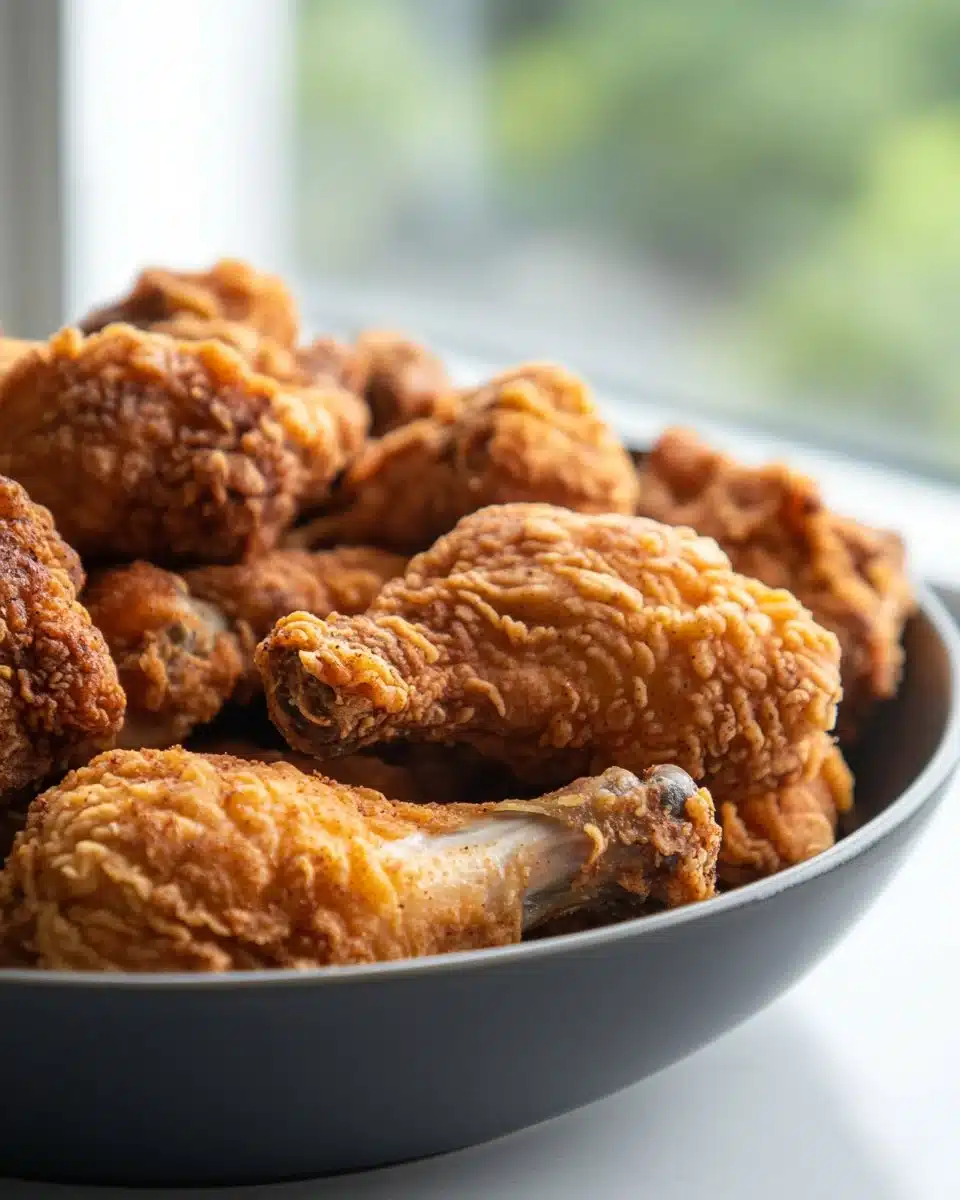

I can still hear the clink of plates from my childhood kitchen as the fried chicken came out of the pan, steam curling up and a smell that made my brother drop his homework and run to the table. The kids set the napkins while I finished the last fry, and everyone gathered, eager for that first bite. I keep that moment in mind when I cook Fried Chicken at home, a simple ritual that always brings people close and calms the day. If you want a version that feeds a crowd and feels like a warm hug, you are in the right place. For a quicker twist when you need to save time, I often turn to an air fryer recipe like these air fryer chicken tenders to keep things fun and fast.
Why This Fried Chicken Feels Like Home
There is something about the sound of oil gently popping and the sight of a golden crust that makes a house feel lived in. This Fried Chicken is the sort I learned to make with my grandmother, the one who taught me that patience and a little love go far.
This recipe is forgiving. It works with legs, thighs, or breasts, and it takes very little hands-on time once the chicken soaks in buttermilk. Meanwhile, the kitchen smells like childhood, and that is half the meal.

The spice mix is simple and honest. A teaspoon each of paprika, garlic powder, and onion powder gives the crust warm flavor without fuss. A bit of salt and pepper helps the chicken sing. Use what you have and make small changes to suit your family.
The Simple Magic Behind Fried Chicken
This dish matters because it turns ordinary ingredients into something special with an easy method. It helps busy families because the soaking does the heavy lifting. Once the chicken rests in buttermilk, the coating clings, the meat becomes tender, and the crust browns beautifully.
The process is rhythmic. Dip, dredge, fry, rest. You can do much of this ahead of time, and the payoff is huge. Serve it on a weeknight or at a Sunday table and you will watch people slow down to enjoy it.
How to Make Fried Chicken, The Heartwarming Way
Here I walk you through the process in friendly steps so you feel guided and confident. I like to set up my station like a mini assembly line: bowl for buttermilk, bowl for flour, a tray to rest finished pieces. It keeps things tidy and simple.
“This is where the magic happens—when the aroma fills the kitchen and my kids come running in, asking ‘Is it ready yet?’”
Below is the quick overview. Look for a deep golden brown color and a crust that sings when you tap it. The meat should feel firm and juices should run clear. Those are the cues I trust, the same cues my grandmother used.
Ingredients You’ll Need
What goes into this Fried Chicken is honest and familiar. Gather these things and then relax; you are doing great.
- 4 chicken pieces (legs, thighs, or breasts)
- 2 cups buttermilk
- 2 cups all-purpose flour
- 1 tsp paprika
- 1 tsp garlic powder
- 1 tsp onion powder
- 1 tsp salt
- 1/2 tsp black pepper
- Oil for frying
Friendly note: don’t skip the buttermilk soak. It is the secret to tender chicken. If you do not have buttermilk, mix a cup of milk with a tablespoon of lemon juice and let it sit for five minutes.
Step-by-Step Directions
-
In a bowl, soak the chicken pieces in buttermilk for at least 2 hours or overnight in the refrigerator.
This softens the fibers and adds gentle tang.
Overnight is my go-to when I want the most tender bites. -
In another bowl, mix flour, paprika, garlic powder, onion powder, salt, and pepper.
Stir until the spices are spread evenly through the flour.
I shake the bowl a bit to make sure pockets do not form. -
Remove chicken from buttermilk and let excess drip off.
Hold each piece over the bowl for a moment so it is not dripping wet.
Excess moisture makes the flour clump, so this little pause matters. -
Dredge each piece in the flour mixture until well coated.
Press the flour to the chicken to help the crust stick.
Let coated pieces rest for a few minutes on a wire rack if you have one. -
Heat oil in a deep skillet over medium-high heat.
Use enough oil to come halfway up the sides of the chicken pieces.
It should shimmer but not smoke when ready. -
Fry the chicken in batches for about 15-18 minutes or until golden brown and cooked through, turning occasionally.
Keep the temperature steady so the crust browns but the inside cooks.
A meat thermometer should read 165 F in the thickest part. -
Drain on paper towels and serve hot.
Let the chicken rest for a few minutes to finish juicing.
Serve immediately for the crispiest bite.
Quick tip: a little browning here builds flavor, just like grandma showed me. Let the kids stir the flour once the chicken is off the heat; it is a fun way to get them involved and proud.
Serving Fried Chicken with Love
When we eat Fried Chicken at home, it goes on a big platter in the middle of the table. I place it next to bowls of simple sides and let everyone help themselves. There is comfort in passing dishes and taking a moment to taste what others are enjoying.
Serve with classic sides like coleslaw, mashed potatoes, and pickles. Little bowls of hot sauce and honey are always on my table because some family members like a sweet kick and others like a fiery bite. The variety keeps everyone smiling.
Family story: my son loves the crunchy wing tips, while my partner always reaches for a juicy thigh. Watching small hands learn to reach and choose is my favorite part of the meal.
Storage & Reheat Tips (Keeping the Goodness)
Leftovers are a gift when you treat them right. Store cooled chicken in an airtight container in the fridge for up to four days. If you plan to keep it longer, freeze the pieces on a tray, then bag them once firm.
To reheat and keep the crust crisp, use the oven. Preheat to 375 F, place the chicken on a rack over a baking sheet, and heat for about 10-15 minutes until warmed through. The microwave will warm the meat faster, but you will lose crispness. For a near-fresh texture, a quick ten-minute reheat in a hot oven does wonders.
If you are in a hurry, you can flash-fry leftovers in a skillet for a minute per side to bring back some crunch. It is not perfect, but it tastes like care.
My Kitchen Notes & Shortcuts
What I have learned from making this over and over is simple: thoughtful shortcuts keep the soul of the dish.
- Brine swap: If you do not have buttermilk, use a milk and lemon mixture. It still tenderizes and adds tang.
- Make ahead: Soak the chicken overnight and dredge the morning you plan to fry. That spreads the work and reduces dinner stress.
- Double batch: Fry twice the amount and freeze half on a tray, then bag. Reheat in the oven for quick meals.
- Kid helpers: Give them a small soft brush for flour dusting or a spoon for mixing spices. They love to help, and it teaches kitchen confidence.
- Air fryer idea: If you want a lighter version, try an air fryer approach using a similar breading. I often adapt a recipe like this Korean-style air fryer version for a different texture and quicker cook time.
These little changes let you keep the flavor and save time without losing the warmth of a homemade meal.
Family-Friendly Variations
Make this Fried Chicken your own with small, family-friendly changes. Kids may prefer a milder crust; skip the paprika or swap a pinch of sugar into the flour for a slightly caramelized note.
For a spicier adult version, add cayenne or smoked paprika to the flour. If you want to add herbs, fold chopped fresh thyme or rosemary into the buttermilk so the flavor infuses the meat.
To make oven-fried chicken with less oil, arrange coated pieces on a rack and bake at 425 F for around 35-40 minutes, turning once. It will not be identical to pan-fried, but it keeps crunch and is easier to manage when cooking for a crowd.
Troubleshooting the Crunch
If your crust turns soggy, the oil may be too cool or the chicken was crowded in the pan. Fry in batches to keep oil temperature steady. If the crust is too dark before the inside is done, lower the heat and allow more time for the interior to cook.
If the breading falls off, press it gently when coating and let it rest before frying. A little patience goes a long way.
FAQs About Fried Chicken
Q: Can I make this ahead for a busy week?
A: Absolutely. You can soak the chicken the day before and keep it refrigerated. Dredge and fry the day you serve, or fry and cool then reheat in the oven when you are ready.
Q: What oil should I use for frying?
A: Use a neutral oil with a high smoke point like canola, vegetable, or peanut oil. They help achieve a golden crust without adding flavor that competes with the spices.
Q: Can I use boneless chicken?
A: Yes. Boneless pieces cook faster, so reduce frying time and monitor internal temperature closely. For tidy, kid-friendly pieces, try a boneless method like this air fryer boneless bites idea as inspiration for portion sizes.
Q: How do I know when it is done?
A: The crust should be deep golden brown and firm to the touch. The internal temperature should be 165 F. A small cut into the thickest part should show clear juices.
Q: Is there a lighter method that still tastes great?
A: Yes. Use less oil and fry at a slightly lower temperature or bake on a rack. For more hands-off options, check out other chicken techniques like these air fryer chicken recipes for inspiration.
One Final Thought from My Kitchen
I hope this version of Fried Chicken becomes part of your family stories. There is comfort in the routine of cooking and joy in sharing the result. Let the recipe be a starting point, not a rule book. Change the spices, fold in small traditions, and pass it on.
When you serve it, take a deep breath and enjoy the smiles. Cooking is about connection, and a shared plate of crispy chicken is a simple, meaningful way to gather.
Conclusion
If you want a classic Southern-style approach with extra tips and crunch details, I like this guide to The Best Southern Fried Chicken for a slightly different take on seasoning and technique. For a variation that celebrates a crisp, extra-crunchy crust and loving family memories, this Fried Chicken Fried Extra Crispy My Big Mama’s Recipe is a lovely companion to try another day.
Until next time, happy cooking and enjoy the comfort of a meal that brings your people together.
11. Buttermilk Fried Chicken
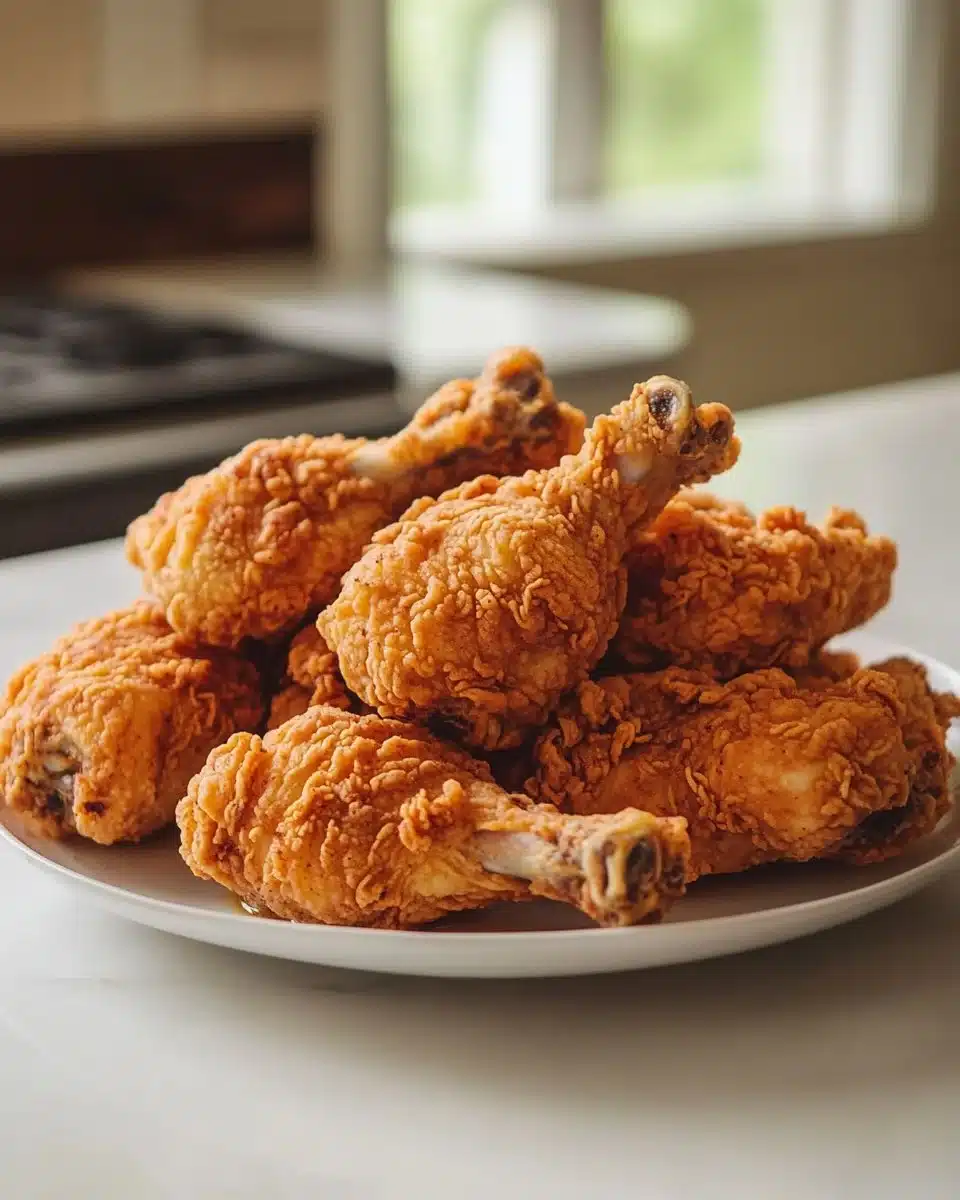

I can still hear my youngest scraping a wooden spoon against the mixing bowl while the kitchen filled with the warm, familiar smell of frying chicken. It makes the table feel like a little island of comfort, the kind that pulls everyone from homework and screens to sit down together. If you like trying new takes on comfort food, you might enjoy a crisp, saucy twist like this Korean fried chicken in the air fryer for a weeknight changeup.
Why This Buttermilk Fried Chicken Feels Like Home
There is something about the tang of buttermilk and the crackle of a hot crust that turns a simple dinner into a memory. This version is forgiving and classic, the kind of recipe that asks for a little patience and gives back a lot of joy. 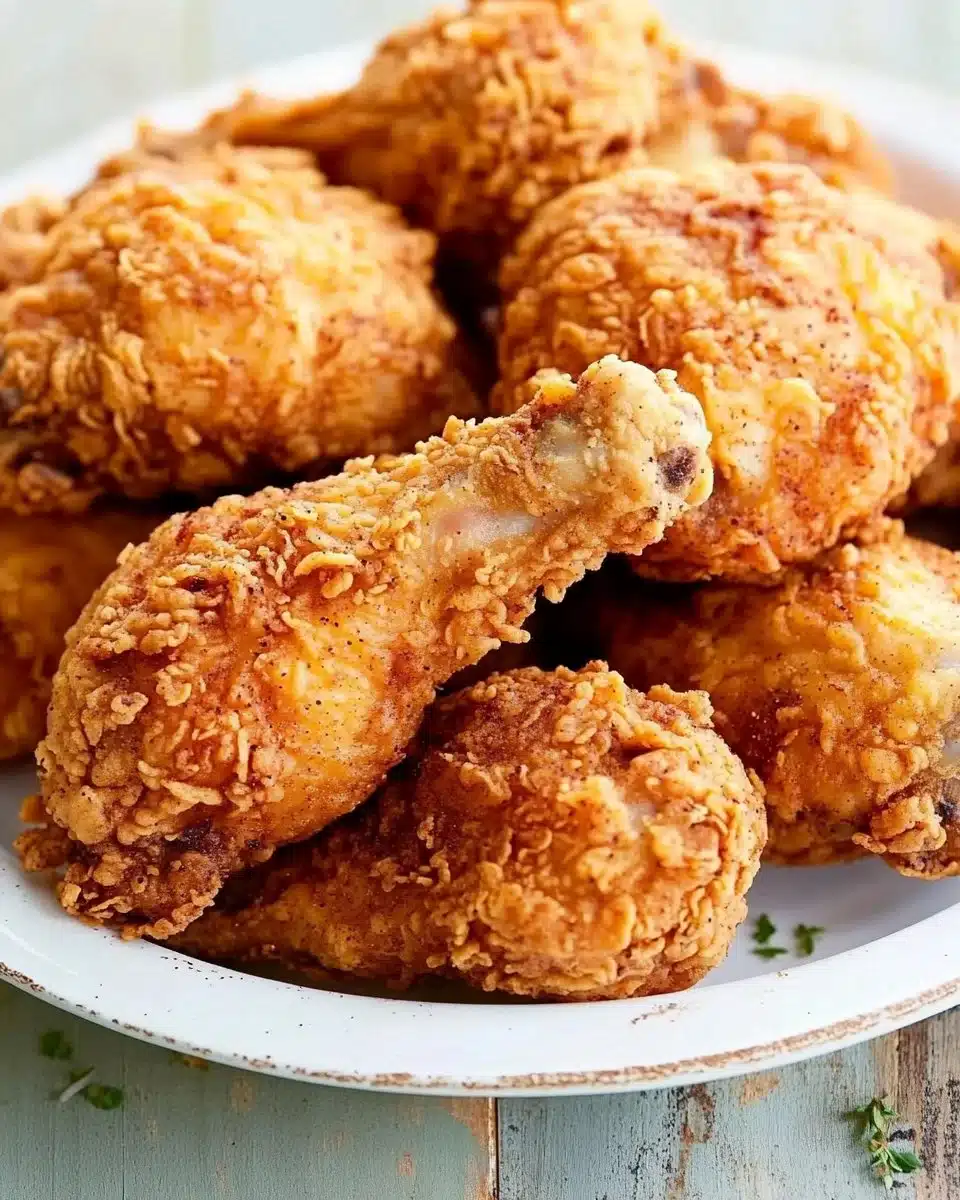
It’s the kind of meal my family comes home for. The marinade softens the meat and flavors it through, and the seasoned flour makes a golden, textured shell that keeps the juices inside.
Why this matters: you get crispy skin, tender meat, and a smell that draws people to the table. It is practical for busy nights because you can marinate ahead and fry when you are ready.
This recipe also welcomes small changes. Use what you have, teach a kid to dredge a piece of chicken, or make a double batch for leftovers. It scales easily and still feels special.
How to Make Buttermilk Fried Chicken, The Heartwarming Way
“This is where the magic happens—when the aroma fills the kitchen and my kids come running in, asking ‘Is it ready yet?’”
Here’s a quick look at the process so you know what to expect. First, a soak in seasoned buttermilk loosens and tenderizes the meat. Next, a well-seasoned flour coat clings to the chicken to make that satisfying crunch. Finally, frying in hot oil builds color and locks in the juices.
Look for visual cues as you cook: a deep golden brown crust means flavor is building, and the internal temperature should reach 165°F for safe, juicy chicken. If you want a lighter finish, try techniques from my go-to air fryer chicken breast recipes for a different texture and less oil.
Ingredients You’ll Need
2 cups buttermilk
1 tablespoon hot sauce (optional)
2 teaspoons salt
1 teaspoon black pepper
1 teaspoon paprika
4 chicken pieces (legs, thighs, breasts)
2 cups all-purpose flour
1 teaspoon garlic powder
1 teaspoon onion powder
1 teaspoon cayenne pepper
Oil for frying
Don’t skip the buttermilk. Its acidity helps tenderize, and the flavor becomes the quiet backbone of the dish. The hot sauce is optional, but it wakes up the buttermilk and adds depth. If you prefer, you can swap in plain yogurt thinned with milk, though the original tang of buttermilk is part of the charm.
If you want a quicker weeknight version, I like to keep pre-measured spices in a jar. And if you ever make a boneless batch for little hands, consider this air fryer boneless chicken bites approach for speed and ease.
Step-by-Step Directions
-
In a large bowl, combine buttermilk, hot sauce, salt, pepper, and paprika. Add chicken pieces and marinate in the refrigerator for at least 4 hours, preferably overnight.
Let the flavors mingle slowly. Overnight is best, but 4 hours still does a beautiful job. -
In another bowl, mix together flour, garlic powder, onion powder, and cayenne.
Shake or whisk thoroughly so the spices spread evenly through the flour for consistent flavor. -
Heat oil in a large skillet over medium-high heat.
Use enough oil for a shallow fry and aim for about 350°F. A thermometer helps if you have one. -
Remove chicken from buttermilk and coat in seasoned flour.
Press the flour onto the skin so it adheres. If you like extra crust, double dredge: back in the buttermilk, then flour again. -
Carefully place the coated chicken into the hot oil. Fry until golden brown and cooked through, about 12-15 minutes per side.
Keep the temperature steady. Turn carefully and let each side develop a deep golden color. -
Transfer chicken to a wire rack to drain excess oil before serving.
Resting on a rack keeps the crust crisp. A paper towel under the rack catches any drips.
Quick tips while you fry: a little browning builds flavor, just like grandma showed me. If the crust darkens too quickly, lower the heat a touch and be patient. For fewer splatters, dry the chicken a bit before dredging.
Serving Buttermilk Fried Chicken with Love
We put the hot cast-iron skillet and a bowl of extra napkins in the middle of the table and let everyone dig in.
Family-style service makes this meal feel like a celebration of small things. Add a few simple sides: mashed potatoes or fries, a bright slaw to cut the richness, and warm biscuits for soaking up juices. My family also loves a light drizzle of honey or a tangy hot sauce for those who want a little heat.
My son always insists on a small ramekin of ranch for dipping, while my partner loves a squeeze of lemon over the top for brightness. Let everyone add their favorite topping. It makes the meal more personal and fun.
If you like to pair with veggies, roast broccoli or green beans with a bit of garlic and lemon. For a southern feel, add collard greens and cornbread. Serving this chicken in the center of the table turns dinner into conversation.
Storage & Reheat Tips (Keeping the Goodness)
Store leftover chicken in an airtight container in the fridge for up to 3 days. If you want to be safe, separate meat and crust when possible, but it is not required.
To reheat without losing all the crunch, use a 375°F oven and place the pieces on a wire rack over a sheet pan. Heat for 15 to 20 minutes until warmed through and the crust crisps again.
The microwave is fine for a quick lunch, but it will soften the crust. If you must microwave, heat briefly and then crisp in a hot skillet for a minute per side.
For longer storage, wrap well and freeze for up to 3 months. Thaw overnight in the fridge before reheating. If you prefer less oil in a second round, check out tips from these air fryer chicken recipes that reheat and re-crisp with less effort.
My Kitchen Notes & Shortcuts
- Marinate ahead: I often marinate the night before. It saves time and deepens flavor.
- Double-dredge for crunch: For a thicker crust, dip again in buttermilk then in flour. Kids love helping with this step.
- Use a thermometer: Aim for 165°F internal temperature. It removes the worry and ensures juicy meat.
- Mix spice blends: Keep the flour mix in a jar labeled "fried chicken mix" for fast weeknight dinners.
- Air-fryer twist: If you want a lower-oil option, air-fryer fans will like the method in this air fryer chicken tenders guide for a quicker, lighter result.
These are my small hacks from years of cooking for kids, friends, and celebrations. They keep dinner simple without losing the feeling of a special meal.
Family-Friendly Variations
Make it your own. Here are a few changes we rotate through depending on mood and time.
- Kid-friendly: Use boneless thighs or tenders. Cut into smaller pieces so little hands can manage. Pair with a sweet dipping sauce.
- Spicy: Add more cayenne or a teaspoon of smoked paprika for depth. Serve with cooling slaw.
- Herb-rich: Add chopped fresh parsley or thyme to the flour. Fresh herbs brighten the crust.
- Lighter: Try marinating, then air-frying using the techniques from these boneless chicken bite ideas for less oil and faster cooking.
- Crowd-pleaser: Double the recipe and keep pieces warm in a low oven while you finish sides.
Each variation keeps the spirit of the dish intact. Invite your family to name their favorite version. It makes the recipe part of your story.
FAQs About Buttermilk Fried Chicken
Can I make this ahead for a busy week?
Yes. Marinate the chicken and keep it in the fridge up to 24 hours before frying. You can also fully cook and reheat gently later.
Why does the chicken need buttermilk?
Buttermilk helps tenderize the meat and adds tang. Its mild acidity breaks down proteins so the meat stays moist during frying.
What oil should I use?
Use an oil with a high smoke point like vegetable, canola, or peanut oil. They tolerate frying temperatures and give you a clean flavor.
How do I keep the crust from falling off?
Press the flour into the chicken and avoid moving pieces around too much in the pan. Let the crust set before flipping.
Is there a safe internal temperature?
Cook until the thickest part reaches 165°F. A thermometer is the most reliable way to check.
One Final Thought from My Kitchen
I hope this buttermilk fried chicken brings your family together like it does in mine. The steps are simple, the flavors are true, and the result is comfort on a plate.
If you make this, pause for a moment as it finishes in the pan. Let that golden color develop and call everyone to the table. Food does its best work when we share it with people we love.
Conclusion
If you want another take on this classic, I often look at the Southern-Style Buttermilk Fried Chicken Recipe – Allrecipes for inspiration on seasoning balance and browning technique.
For a modern spin with a sweet and tangy sauce, this Buttermilk Fried Chicken – Britney Breaks Bread post has a lovely sauce idea that my family adores.
12. Perfect Fried Chicken
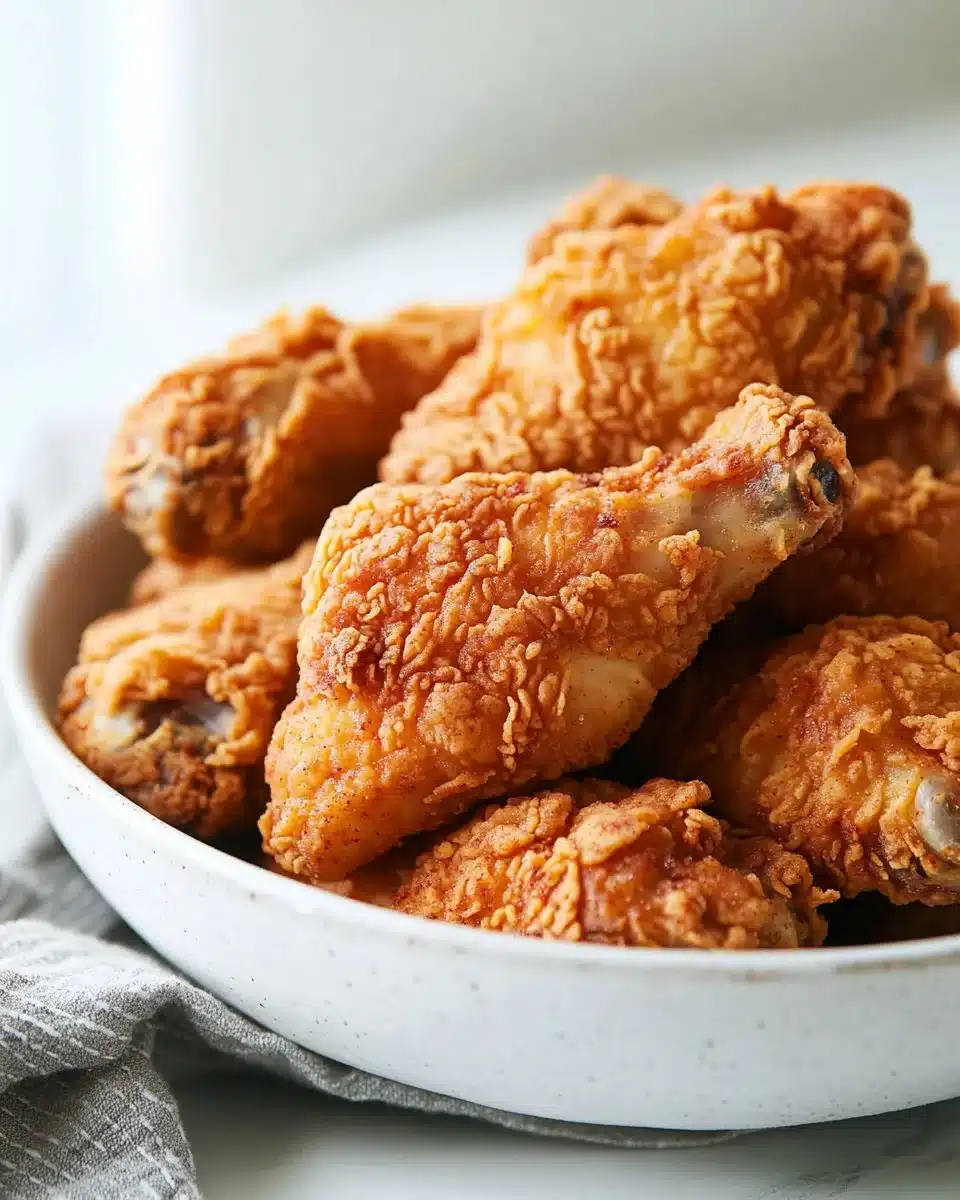

I remember the clatter of plates while the scent of frying chicken curled through the house, and my youngest tapping on the window to watch the oil bubble. That small ritual of everyone coming in from different corners of the day and gathering around a hot plate of chicken is one of my favorite parts of being home. If you sometimes want the comfort of fried chicken with less fuss, try pairing this with some easy air fryer sides like these air fryer chicken recipes that speed things up without losing the soul of the meal.
Why This Perfect Fried Chicken Feels Like Home
There is something about the way a golden crust crackles and steam rises when you pull a piece from the pan that feels like an embrace. This recipe remembers that feeling and keeps the work simple.
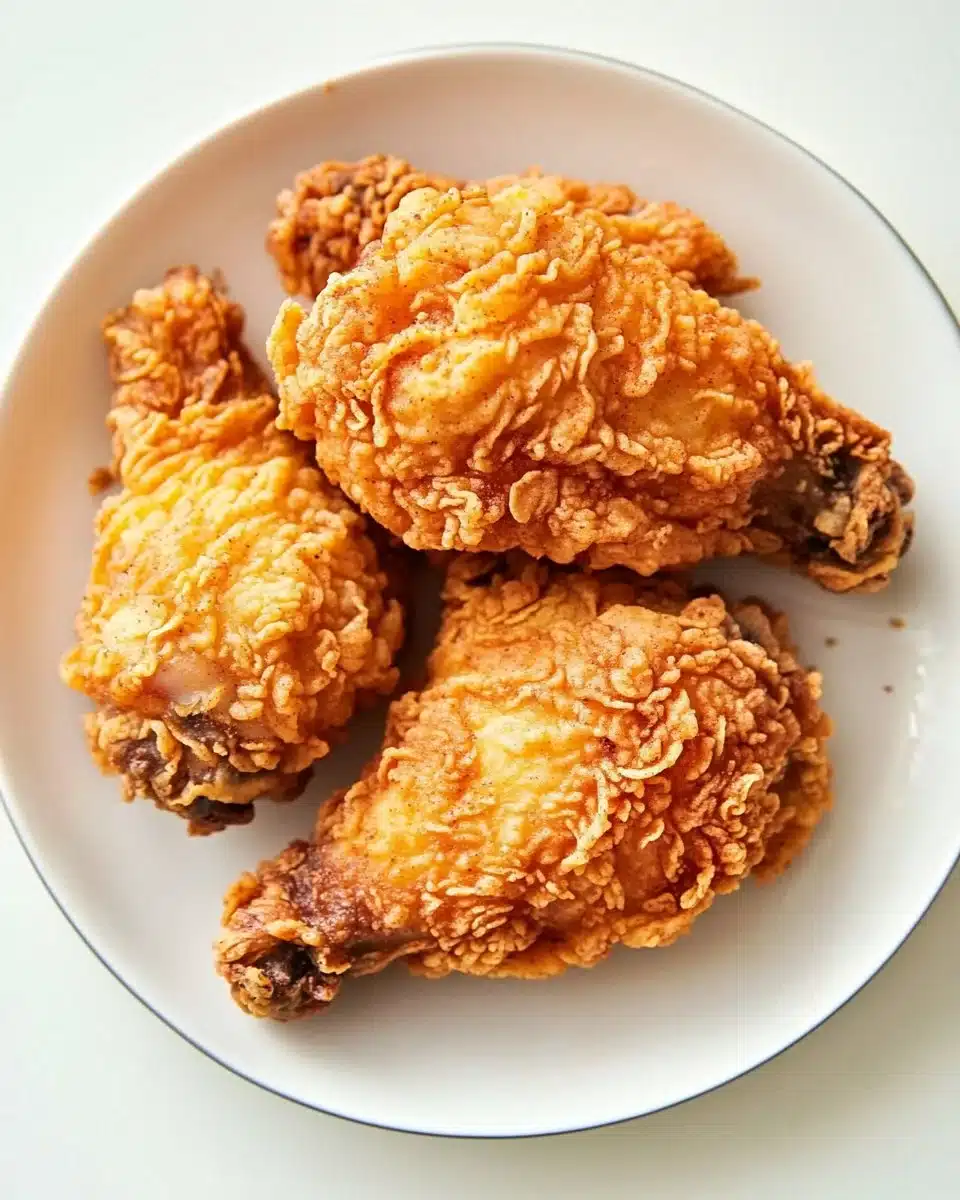
It matters because it delivers familiar flavors without complicated steps. You do a little marinating, a little dredging, and a fair bit of listening for color and sound while it cooks. That combination is what lets you be present at the table instead of chained to a stove.
What I love about this Perfect Fried Chicken is how forgiving it is. You do not need perfect tools or fancy spices to get a family-pleasing meal. A good pan, steady heat, and attention to color will do most of the heavy lifting.
Why Perfect Fried Chicken is Our New Family Favorite
This recipe has two quiet superpowers. First, it comes together with ingredients most of us keep on hand. Second, it hits a comfort point that makes a weeknight feel special.
Use this as a base and add small touches—fresh herbs, a pinch of cayenne, or a drizzle of honey—depending on who you are feeding. The result is always hot, crunchy, and full of the little memories that turn a meal into an event.
How to Make Perfect Fried Chicken, The Heartwarming Way
“This is where the magic happens—when the aroma fills the kitchen and my kids come running in, asking ‘Is it ready yet?’”
Start with simple technique and watch for cues. You want a deep gold color, a crust that gives a clear crunch when you bite, and meat that is steaming through but not dry. My grandmother taught me to listen as much as look. The oil will sing a steady, confident sizzle when the pan is at the right temperature.
The process is honest and direct: marinate, dredge, fry, drain. That sequence keeps flavors bright and the outside irresistibly crisp. Meanwhile, a hot oven keeps pieces warm if family members trickle in late. The texture is the star here: crispy edge, tender inside, and a smell that pulls everyone to the table.
Ingredients You’ll Need
- 4 chicken pieces (legs, thighs, or breasts)
- 1 cup buttermilk
- 1 cup flour
- 2 teaspoons salt
- 1 teaspoon black pepper
- 1 teaspoon garlic powder
- 1 teaspoon onion powder
- 1 teaspoon paprika
- Oil for frying
These are pantry-friendly and straightforward. If you do not have buttermilk, thin plain yogurt with a splash of milk, or a cup of milk with a teaspoon of lemon juice will do. Don’t skip the paprika; it gives that warm color and a gentle sweetness that feels like a hug.
A quick kitchen note from my experience: let the chicken come close to room temperature before it hits the pan. It helps the crust form evenly and keeps the cooking time predictable. And if you want a deeper flavor, add a tablespoon of hot sauce to the buttermilk. It reads spicy but ends up being a rounded background note.
Step-by-Step Directions
-
Marinate the chicken in buttermilk overnight or for at least 2 hours.
Let the acid and fat tenderize the meat and carry salt gently into the pieces. If short on time, even two hours makes a difference. -
In a bowl, mix flour, salt, pepper, garlic powder, onion powder, and paprika.
Whisk well so the spices are evenly spread and every bite gets a balanced flavor. Taste the dry mix on a clean fingertip if you want to adjust salt. -
Heat oil in a deep skillet over medium-high heat.
Use enough oil to come about halfway up the sides of the chicken pieces. A steady medium-high heat gives a golden crust without burning. -
Dredge the marinated chicken in the flour mixture, coating well.
Press the flour into the chicken so it adheres; this builds that satisfying crust. Shake off excess so you do not overload the pan. -
Fry the chicken in hot oil until golden brown and cooked through, about 15-18 minutes.
Turn carefully so both sides brown evenly. A meat thermometer should read 165F in the thickest part for safety and tenderness. -
Drain on paper towels and serve hot.
Let the chicken rest briefly so the juices settle. A paper towel-lined plate keeps the bottom crisp and ready to go.
A few encouraging notes: a little browning on the edge builds deep, toasty flavor, just like my grandmother taught me. Let the kids help with shaking the dredge bag if they are old enough; it is a small joy to see them come alive when they feel useful.
Serving Perfect Fried Chicken with Love
We bring this to the table family-style. I place the hot platter in the center and let everyone reach in. It keeps things lively and unpretentious. Add a few small bowls of pickles, a green salad, and something creamy like mashed potatoes or coleslaw, and you have a full spread.
A little story: one rainy night, my kids stacked chicken on the table beside a bowl of corn and started swapping pieces like treasure. That is what I want—food that encourages conversation and laughter. Offer a variety of sauces—honey mustard, hot sauce, and a simple pan gravy—and people will make the plate their own.
If you want to lighten the spread, pair with a big green salad and roasted sweet potatoes. For a cozy dinner, choose buttery mashed potatoes and steamed green beans. Everyone can help themselves, and it quickly becomes a shared memory.
Storage & Reheat Tips (Keeping the Goodness)
Store leftover chicken in an airtight container and refrigerate within two hours of cooking. It keeps well for 3 to 4 days if stored properly. For longer storage, freeze cooled pieces in a single layer on a tray, then transfer to a freezer bag for up to three months.
For reheating, the oven is your friend. Preheat to 375F and warm the pieces on a baking sheet for 10 to 15 minutes until hot and crisp again. The microwave is fine for a quick lunch; cover lightly and use short bursts to avoid chewy meat, but it will not restore the crunch like the oven.
If you want to reinvent the leftovers, pull the meat from the bones and toss it into sandwiches, salads, or a quick stir-fry. You might also try reheating in an air fryer for a few minutes to bring back the crunch. For ideas on how to use leftover fried chicken with minimal fuss, check this guide to air fryer boneless chicken bites for inspiration on small plates.
My Kitchen Notes & Shortcuts
- Prep ahead: Marinate the night before to save time on the day you cook. A little overnight rest makes the meat more tender.
- Shortcut mix: Make a double batch of the flour-spice mix and keep some in a jar for next time. It saves a few minutes and keeps flavors consistent.
- Kid helpers: Let kids shake the chicken in a zip bag with the flour to coat pieces. It is safe and they love the responsibility.
- Temperature tip: If you do not have a thermometer, a cube of bread should brown in about 60 seconds in properly heated oil. Use that to test the pan before dropping chicken.
- Reheat trick: Warm the oven and place a little rack on your baking sheet so air circulates and the crust stays crisp.
A little shortcut I love is using a shallow plastic container with a lid for dredging. Layer the chicken and flour, snap the lid on, and shake gently. The coating is even and cleanup is minimal. For more quick chicken ideas and tools that save time, I often refer to guides like these air fryer chicken tenders that show fast weekday swaps.
Family-Friendly Variations
You can easily make this recipe your own. Try these variations with confidence and a playful spirit.
- Lighter version: Bake instead of deep frying. Brush pieces with a little oil and bake at 425F on a wire rack until golden and cooked through.
- Spicy twist: Add 1 teaspoon cayenne or some hot sauce to the buttermilk to wake up the flavors. Serve with a cooling ranch dip.
- Herb crust: Mix in finely chopped fresh parsley, thyme, or rosemary with the flour for a bright, savory note.
- Kid-approved: Remove the skin and cut the chicken into strips. Coat and fry as fingers for dipping. They are great with ketchup or honey mustard.
- Global spin: Add a teaspoon of five-spice powder or a tablespoon of soy sauce to the marinade for a subtle nod to Asian flavors.
As a friendly nudge, give a new twist a try once a month. Small changes keep a classic like Perfect Fried Chicken feeling new and make room for your family to add its own traditions. If you want a crispier, fried-chicken-style crunch with less oil, check a few ideas in this Korean fried chicken air fryer guide for technique and coatings that inspire playful swaps.
FAQs About Perfect Fried Chicken
Can I make this ahead for a busy week?
Absolutely. Marinating the night before is perfect. For the best texture, reheat in the oven or air fryer so the crust revives.
How do I know the oil is hot enough?
A thermometer around 350F is ideal. If you do not have one, drop a small pinch of flour in the oil. It should sizzle immediately but not burn.
What is the best cut for this recipe?
Thighs and legs stay juicier if you are worried about dryness. Breasts work fine if you watch the time and temperature carefully.
Can I use chicken tenders or boneless pieces?
Yes. Reduce the frying time and check for an internal temperature of 165F. Boneless pieces often cook faster and are great for younger eaters.
Is buttermilk necessary?
Buttermilk gives tenderness and tang, but you can substitute plain yogurt or milk mixed with a little lemon juice if needed.
One Final Thought from My Kitchen
I hope this recipe gives you a simple pathway to big, family-style flavors. Fried chicken is one of those meals that asks for patience and rewards you with warmth. Keep the process relaxed and invite people to help. It turns cooking into a shared event more than a duty.
Cook slowly, taste often, and remember that every version you make becomes someone’s favorite. If this recipe finds its way into your week, I promise you will be handing down something delicious to the next person who wants comfort on a plate.
Conclusion
If you want a deeper look at Southern-style techniques that inspire a perfect crust and classic seasoning, the write-up at The Best Southern Fried Chicken – The Country Cook has lovely notes and visuals. For another take on home technique and clear, friendly instruction from a chef’s perspective, see How to Make Perfect Fried Chicken at Home – Andrew Zimmern.
Until next time, happy cooking and may your kitchen be full of friends, fingers, and the small noises that say dinner is ready.
13. Chicken Fried Chicken


I can still hear the clink of cereal bowls as my kids finish up and the smell of browned flour and hot oil curls through the hallway. That warm, familiar scent takes me straight back to my grandmother’s kitchen beside the river dam, where someone always had a pan going and a radio softly playing. When I make Chicken Fried Chicken, everyone knows dinner is a little more special. If you love crisp comfort food, you might like exploring crispy air fryer chicken recipes too—same joy, less fuss.
Why This Chicken Fried Chicken Feels Like Home
Chicken Fried Chicken is the kind of food that makes people slow down and talk. It is crunchy on the outside, tender and juicy inside, with a gravy that soaks into the crust and makes every bite feel gentle and satisfying.
This version is simple, honest, and forgiving. It does not require fancy equipment, and it rewards patience with real flavor. Meanwhile, you can prep side dishes or set the table while the chicken cooks, so the whole meal comes together without a stress spiral.
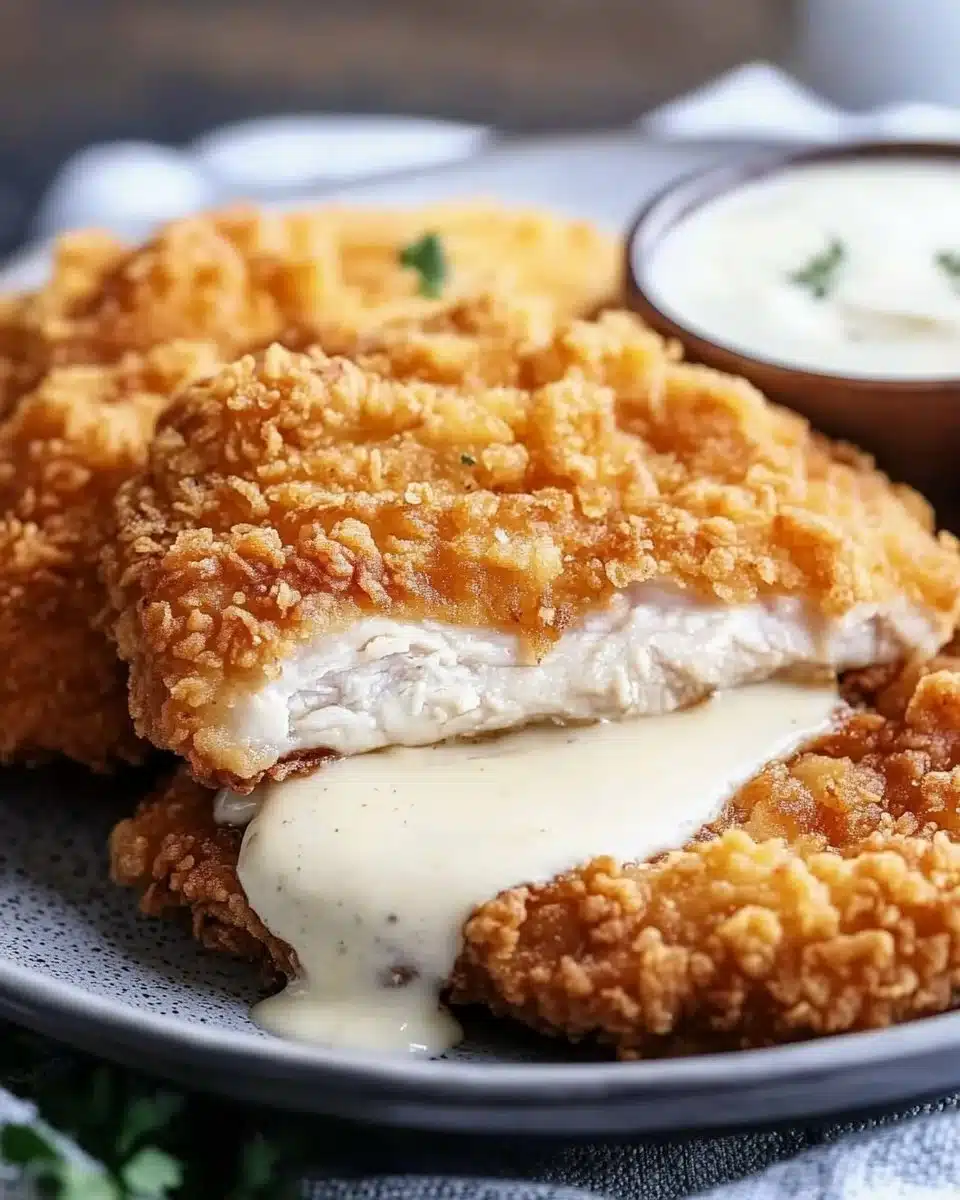
I often think of my grandmother patting flour into each piece of chicken and telling me to watch the color. That little cue—when the crust goes deep golden brown—is your signal that you are nearly there. Use that color, the sizzle, and the smell as your guide, not a timer alone.
Why Chicken Fried Chicken is Our New Family Favorite
This recipe wins for weekday dinners because it is fast, predictable, and loved by kids and adults alike. It makes great leftovers for lunches, and it’s the kind of meal that invites conversation. Once, during a busy week, I doubled the recipe and froze half the cooked pieces for an easy night later. It saved us one evening of scrambling and gave us another night to sit together.
If you want a different texture or a lighter take, try flipping to an air fryer version for smaller portions and less oil. I use air fry tweaks when time is tight and still get that satisfying crunch; a quick guide I trust is my go-to for finger-friendly versions like air fryer chicken tenders for the kids.
The Simple Magic Behind Chicken Fried Chicken
At its heart, this is about contrast. Crispy exterior, soft interior. The frying process adds a toasty, nutty flavor from the flour and the little bit of browning that happens. The gravy uses the flavored oil and leftover brown bits to make something rich and comforting. You do not need to be a pro to get it right—just steady heat and a gentle hand.
Why it works: buttermilk and egg help the flour stick and tenderize the chicken. Baking powder and soda in the flour give tiny lift and extra crispiness. Salt and pepper season everything up front so each bite tastes complete.
How to Make Chicken Fried Chicken, The Heartwarming Way
“This is where the magic happens—when the aroma fills the kitchen and my kids come running in, asking ‘Is it ready yet?’”
Start by gathering everything so the little steps flow. You will notice the flour mix darkens slightly as it fries and the breadcrumbs of crust bubble and flatten. When the crust looks set and the oil yields a deep golden color, you are on track.
If you prefer, you can also marinate the chicken a little longer in buttermilk for extra tenderness. Or try a lighter finish in the oven for a few minutes if any pieces need to catch up without getting too dark.
Ingredients You’ll Need
6-8 thin sliced chicken breasts
2 cups flour
2 tsp baking powder
1 tsp baking soda
1 tsp salt
1 tsp pepper
1 tsp garlic powder
1 1/2 cup buttermilk
1 egg
1 Tbs hot sauce
Oil for frying
1/4 cup reserved oil from frying
1/3 cup flour
2 cup milk
Salt & pepper
Friendly note: If you have fresh herbs like parsley, chop a little and scatter over the gravy before serving. It brightens the plate and feels like a hug. Use what’s in your fridge, and don’t stress if one spice is missing. This recipe is forgiving and meant to be adapted.
Step-by-Step Overview: Keeping It Simple
-
Heat oil in deep fryer or large pan on stove (a few inches deep) to 325.
Keep a thermometer handy; steady heat avoids over-browning or undercooking.
A lower frying temp helps the chicken cook through without burning the crust. -
In large bowl whisk together your flour, baking powder, baking soda, salt, pepper and garlic powder.
Make sure the mix is evenly combined so each piece gets a balanced coating.
You can add a pinch more pepper if you like a little zip. -
In another bowl whisk together buttermilk, egg and hot sauce.
The hot sauce adds subtle tang and depth, not heat overload.
Let the chicken sit in this bath if you have 20 minutes to spare. -
Dredge your chicken in the flour mixture then dip into the egg mixture than back into the flour mixture making sure to press down flour to get stuck on the steak real good.
Pressing the flour into the meat gives you that hearty, clinging crust.
Work in batches so pieces do not touch and clump. -
Place chicken in pan/deep fryer and fry on each side 3-5 minutes until golden brown, remove and drain on paper towel lined plate, repeat with all chicken.
A little browning builds flavor, just like grandma showed me.
Cook until internal temperature reaches 165°F for safety and juiciness. -
To make your gravy, in large pan add 1/4" of oil from cooking and heat on medium-high, stir in your flour until absorbed and cook for about 1 minute.
This brief toasting of flour gets rid of raw flour taste and deepens color.
Keep stirring so it does not clump. -
Slowly add in your milk whisking to blend and heat until thickened then stir in salt and pepper to desired taste.
Whisk constantly for a smooth gravy; taste and adjust seasoning.
If it gets too thick, thin with a splash more milk. -
Pour gravy over individual chicken before serving.
Let each person decide how much gravy they want; some like a gentle drizzle, others a puddle.
Serve hot for best texture.
Quick tips while you cook: Let the kids stir the gravy while you hold the whisk, or have one child set the plates. It becomes a memory as much as a meal.
Serving Chicken Fried Chicken with Love
We usually bring this to the table family-style, skillet still warm, biscuits in a basket, and sides like mashed potatoes or green beans. Pass the gravy bowl and let everyone spoon as they please.
I have a cousin who piles mashed potatoes on the plate, then slices the chicken and pours gravy so it flows onto the potatoes. My kids sometimes prefer the chicken with a squeeze of lemon or a dab of ketchup. Having options makes the meal feel communal and joyful.
A few serving ideas: buttered corn, quick coleslaw for crunch, or roasted carrots for sweetness. Pair with a simple green salad to freshen the plate and balance the richness.
If you want an easy appetizer version, take smaller pieces and dunk them in the same batter for a playful snack that disappears fast.
Storage & Reheat Tips (Keeping the Goodness)
Store leftover chicken in an airtight container in the fridge for up to three days. Keep the gravy in a separate jar so the crust stays crisper.
To reheat: the oven or a toaster oven is best. Preheat to 375°F, place chicken on a wire rack over a baking sheet, and heat for about 10-12 minutes until warmed through. This method revives the texture much better than the microwave.
If you need a quick reheat, the microwave works for lunch, but expect the crust to soften. You can crisp it up again briefly in a hot skillet for a minute per side.
For longer storage, freeze cooked chicken in a single layer on a sheet pan, then transfer to a freezer bag for up to three months. Thaw in the fridge overnight and reheat as above.
My Kitchen Notes & Shortcuts
- Use a meat mallet to even out thick spots so pieces cook evenly. It saves time and prevents overcooked edges.
- For less oil splatter, pat the chicken dry before dredging; moisture is the enemy of a calm stove.
- Prep stations help: one bowl for dry mix, one for wet, a tray for coated chicken. It keeps counters tidy and kids involved.
- If you want less mess, try a shallow oven pan with a rack and finish pieces at 400°F for 8-10 minutes after a quick fry. It cuts finish time and dries the crust.
- When I need a shortcut, I use air fryer methods I trust for a lighter version and faster cleanup, especially with small hands asking for snacks. For a spicy twist I sometimes borrow steps from my go-to Korean-style air fryer chicken to layer flavor.
Family-Friendly Variations
Make it milder for young palates by skipping hot sauce in the buttermilk. For a grown-up version, add smoked paprika and cayenne to the flour blend.
If you want to go fancy, add finely grated Parmesan to the flour for a nutty, salty note. Swap milk for half-and-half in the gravy to make it richer for a weekend dinner.
For a lighter plate, serve the chicken sliced over a bed of quick greens dressed in lemon and olive oil. Or make small, bite-sized pieces and offer a trio of dips—honey mustard, ranch, and a tangy barbecue.
Try swapping buttermilk for plain yogurt thinned with a splash of milk if that is what you have on hand. It keeps the meat tender and gives a subtle tang.
FAQs About Chicken Fried Chicken
Q: Can I make this ahead for a busy week?
A: Absolutely. You can bread the chicken and store it in the fridge for a few hours before frying. If you want to prep fully, cook and freeze for up to three months and reheat when you need a simple dinner.
Q: How do I know when the oil is the right temperature?
A: Use a thermometer and aim for 325°F. Too hot and the outside burns before the inside cooks; too cool and the crust soaks up oil. If you do not have a thermometer, a small pinch of flour should sizzle and rise steadily, not scorch instantly.
Q: Is there an easy way to reduce oil use?
A: Try shallow frying in a skillet with a few thin inches of oil and finish in the oven. Or use the air fryer for smaller pieces. Both methods cut total oil while keeping crispness.
Q: Can I use bone-in chicken instead of thin sliced breasts?
A: Yes, but adjust cooking time. Bone-in pieces will take longer to reach 165°F. Keep the heat moderate and consider covering the pan briefly to help cook through without burning.
Q: How thick should the crust be?
A: Thick enough to get a satisfying crunch but not so heavy it overwhelms the chicken. Pressing the flour on gives a good, homey crust—you want texture, not a coat that detaches on the first bite.
One Final Thought from My Kitchen
Cooking this Chicken Fried Chicken has given me many small memories: laughing over flour-covered hands, swapping tips with neighbors, and listening to the hush that falls when people dig into a plate they love.
Give this recipe a try on a night you want to slow down and share. It is easier than it looks, and the payoff is a plate that brings people together. If someone offers to help, say yes. Those little moments of teamwork are why I keep coming back to this dish.
Conclusion
I hope this recipe finds its way into your family’s weeknight rotation and into the stories you tell around the table. For another home cook’s take on this classic, see the neat spin at Chicken Fried Chicken – Tornadough Alli, and for a Texan perspective with technique notes, I like the write-up at Chicken-fried chicken | Homesick Texan.
14. Country Fried Chicken Breast
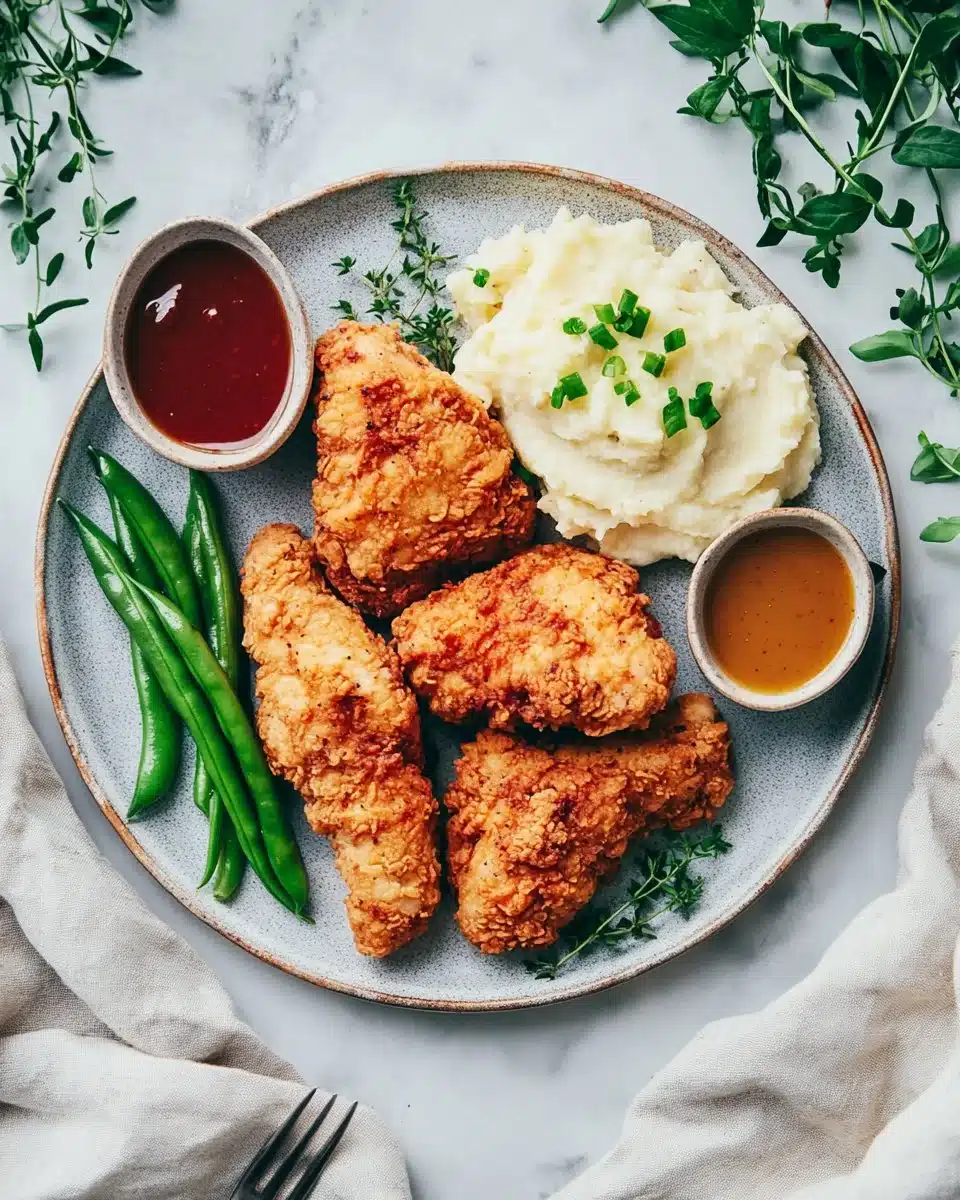

I can still hear the scraping of forks against plates and the small, happy thumps as my kids set the napkins while a skillet hums on the stove. The smell of golden crust and warm gravy has that way of filling a house and drawing everyone toward the table, like a quiet family magnet. If you want a dish that says welcome home in the first bite, Country Fried Chicken Breast does that for us every time, and it’s easier than you think when you have a simple plan and a little elbow grease. For a quick weeknight switch-up that still feels special, I sometimes pair this routine with an air fryer side idea I love from my recipe notes at air fryer chicken breast recipes.
Why This Country Fried Chicken Breast Feels Like Home
This recipe is the kind that brings people together without demanding a lot from you. It browns into a crisp, warm jacket, and the inside stays tender and juicy. The first forkful is always a comfort—crunch, savory seasoning, and that soft, homey chicken under it all.
Country Fried Chicken Breast works for so many reasons. It uses simple pantry spice, a short soak in buttermilk to tenderize, and a straightforward fry that builds flavor fast. You don’t need fancy tools; a sturdy frying pan, a thermometer for confidence, and a plate lined with paper towels will do the trick. 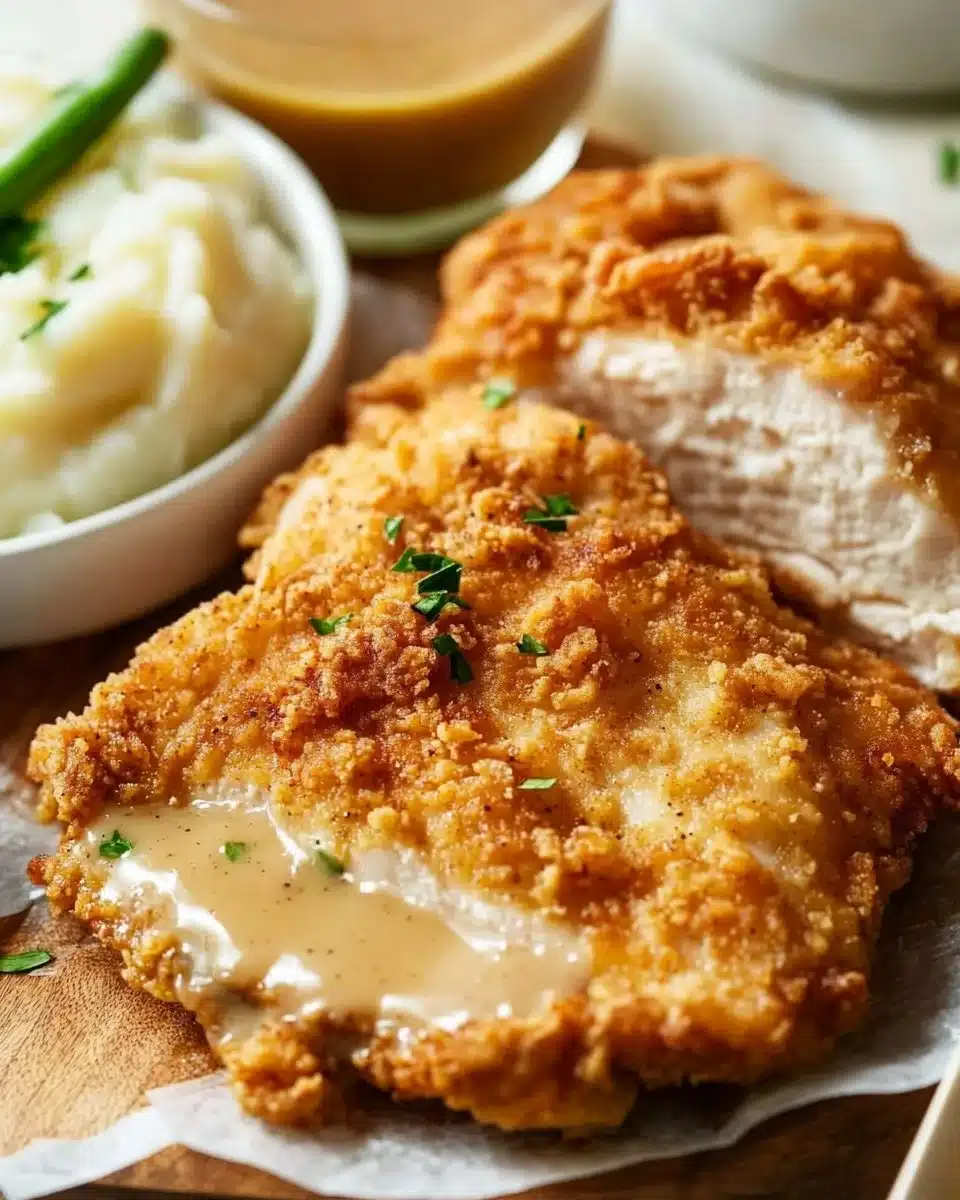
This dish makes weeknights easier and weekend dinners memorable. It pleases kids and adults alike, travels well for leftovers, and partners perfectly with mashed potatoes and green beans. It’s the kind of food that asks you to relax a little and enjoy the little rituals: dredging the chicken, hearing the sizzle, and watching the color deepen.
How to Make Country Fried Chicken Breast, The Heartwarming Way
“This is where the magic happens—when the aroma fills the kitchen and my kids come running in, asking ‘Is it ready yet?’”
Here’s a quick view of what you’ll do. You’ll let the chicken take a bath in buttermilk so it softens, then coat it in a seasoned flour mix. Heat the oil so the flour hits hot metal and creates a golden shell. Cook until the crust is a rich brown and the inside reaches a safe, juicy temperature.
Watch the color and feel. A good golden brown means flavor. A quick press should feel firm but springy when the chicken is cooked through. The smell of the pan will change from raw flour to toasted, nutty goodness—your sign to watch the next step. For a twist that leans on crisp tech, you might try a method inspired by crunchy air fryer recipes like this korean fried chicken air fryer approach, but I’ll stick to the skillet here because of the cozy, old-fashioned finish it gives.
Ingredients You’ll Need
4 chicken breasts
1 cup buttermilk
1 cup all-purpose flour
1 teaspoon garlic powder
1 teaspoon onion powder
1 teaspoon paprika
Salt and pepper to taste
Oil for frying
Gravy (for serving)
Mashed potatoes (for serving)
Green beans (for serving)
Don’t worry about perfection here. If you’re low on paprika, a little smoked paprika works well. If a recipe calls for fresh herbs, don’t skip them if you have them—thyme or parsley at the end brightens everything. For extra-tender meat tricks and ideas, I sometimes lean on techniques I learned in other recipes, and this melt-in-your-mouth chicken write-up has a good reminder about timing and rest.
Step-by-Step Directions
-
Marinate the chicken breasts in buttermilk for at least 1 hour.
This softens the fibers and adds a gentle tang.
If you’re short on time, 30 minutes still helps. -
In a bowl, mix flour, garlic powder, onion powder, paprika, salt, and pepper.
Whisk so the spices spread evenly through the flour.
A consistent coating gives an even crust when frying. -
Heat oil in a frying pan over medium-high heat.
Use an oil with a high smoke point and enough to cover the pan bottom.
Aim for oil around 350 F if you use a thermometer. -
Dredge each chicken breast in the flour mixture, pressing to coat well.
Shake off excess but press a little so the coating clings.
A firm press helps the crust hold together as it cooks. -
Fry the chicken in the hot oil until golden brown and cooked through, about 6-8 minutes per side.
Watch the color and adjust the heat if it browns too fast.
Flip gently so the crust stays intact. -
Remove from oil and drain on paper towels.
Let the chicken rest for a few minutes so the juices settle.
This keeps the meat moist and the crust crisp. -
Serve with gravy, mashed potatoes, and green beans.
Spoon warm gravy over the chicken if you like it saucy.
Place everything on the table family-style and dig in.
A little browning here builds flavor, just like grandma showed me. If your kitchen helper wants to help, let them stir the flour mix or arrange plates—kids love the small jobs and it turns dinner into a team effort.
Serving Country Fried Chicken Breast with Love
We serve this family-style in the middle of the table and let everyone help themselves. The chicken sits on a platter beside a bowl of steaming mashed potatoes and a simple pan of buttered green beans. Gravy goes in a small pitcher so people can pour what they like.
My husband always takes his with extra gravy and a sprinkle of black pepper. The kids prefer a small gravy puddle and a forkful of green beans to feel grown-up. If you want a softer topping, try chopped chives or a little lemon zest to cut through the richness. Bring out warm plates, pass sides slowly, and share a story about your day—meals like this are as much about the talk as the taste.
For a serving twist that leans into comfort and tenderness, I sometimes pair this with ideas from another recipe that focuses on tender results: melt-in-your-mouth methods.
Storage & Reheat Tips (Keeping the Goodness)
Store leftover chicken in an airtight container in the refrigerator for up to 3 days. Let pieces cool to room temperature before sealing so condensation does not make the crust soggy.
For a quick lunch, the microwave is fine. Place the chicken on a plate and cover loosely to keep moisture in. For the best crunch, reheat in a 375 F oven for 8 to 12 minutes, or refresh in a hot skillet for a few minutes per side.
If you have a little time and want a crisp finish, use an air fryer at 350 F for 5 to 7 minutes; it brings back a lovely snap. For ideas on reheating and repurposing fried bites into new meals, check out this handy guide about air fryer boneless options I keep bookmarked at air fryer boneless chicken bites.
My Kitchen Notes & Shortcuts
- Make-ahead idea: Marinate the chicken the night before. It saves a morning scramble and deepens the flavor.
- Shortcut: If time is tight, use pounded, thin chicken cutlets and reduce frying time to 3–4 minutes per side.
- Flavor boost: Add a pinch of cayenne or a teaspoon of mustard powder to the flour for a subtle lift.
- Kid-friendly task: Have children press the flour onto the chicken with clean hands. They feel helpful and proud.
- Clean-as-you-go: Line a baking sheet with foil for the drained chicken. It speeds cleanup and keeps the crust crisp.
These little moves have saved me many evenings and kept dinner relaxed and joyful. They keep stress low but flavor high.
Family-Friendly Variations
- Lighter version: Bake the coated chicken on a wire rack at 425 F for 18 to 22 minutes until golden. Finish under the broiler for a minute if you want extra brown color.
- Extra crispy: Double-dip in buttermilk and flour for a thicker crust. Let the second coat rest briefly before frying.
- Herb twist: Stir chopped fresh sage or thyme into the flour for an earthier note that pairs beautifully with mashed potatoes.
- Kid-safe spice: Replace paprika with smoked paprika for a gentle flavor that reads as “cool” and not spicy.
- Sandwich upgrade: Slice leftovers and stack them on toasted buns with pickles and a smear of mayo for a quick, loved-by-kids lunch.
These variations are invitations to make this recipe your family’s own. Small changes become big stories over time.
FAQs About Country Fried Chicken Breast
Can I make this ahead for a busy week?
Absolutely. You can marinate the chicken overnight and fry it the next day. The flavor settles in nicely, and it cuts stress on a busy evening.
How do I know when the chicken is done?
Check with a meat thermometer. The internal temperature should read 165 F in the thickest part. If you don’t have a thermometer, cut into one piece to make sure there is no pink and the juices run clear.
What oil should I use?
Use an oil with a high smoke point like canola, vegetable, or peanut oil. They give a neutral taste and handle the heat without breaking down.
Will the crust stay crunchy if I store leftovers?
The crust softens in the fridge. Reheat in the oven or air fryer to bring back crispness. For best texture, avoid long storage in a sealed container with steam.
Can I make this gluten-free?
Yes. Use a gluten-free all-purpose flour blend and check that any gravy or sides are gluten free as well.
One Final Thought from My Kitchen
Cooking this feels like passing a small ritual down the table. There’s a kind of gentle confidence that comes from knowing how to take a few simple ingredients and make something that comforts. Let the sizzle and the little chore of flipping become a moment rather than a race.
If you try this, give yourself permission to enjoy the process. Let someone stir, let the kids set the napkins, and let the house fill with that warm, delicious smell. You might be surprised how quickly it becomes a favorite.
Conclusion
If you want to read another take on the classic pairing of chicken and gravy, I often reference a trusted regional version at Country Fried Chicken and Gravy – Cooking in the Midwest for ideas on gravy and plating. For a cozy, well-tested home cook version that inspired my own comfort approach, this recipe at Country Fried Chicken – The Cozy Cook is a lovely companion to what I shared here.
Until next time, happy cooking and may your kitchen be full of good smells and better company.
15. Southern-Style Fried Chicken
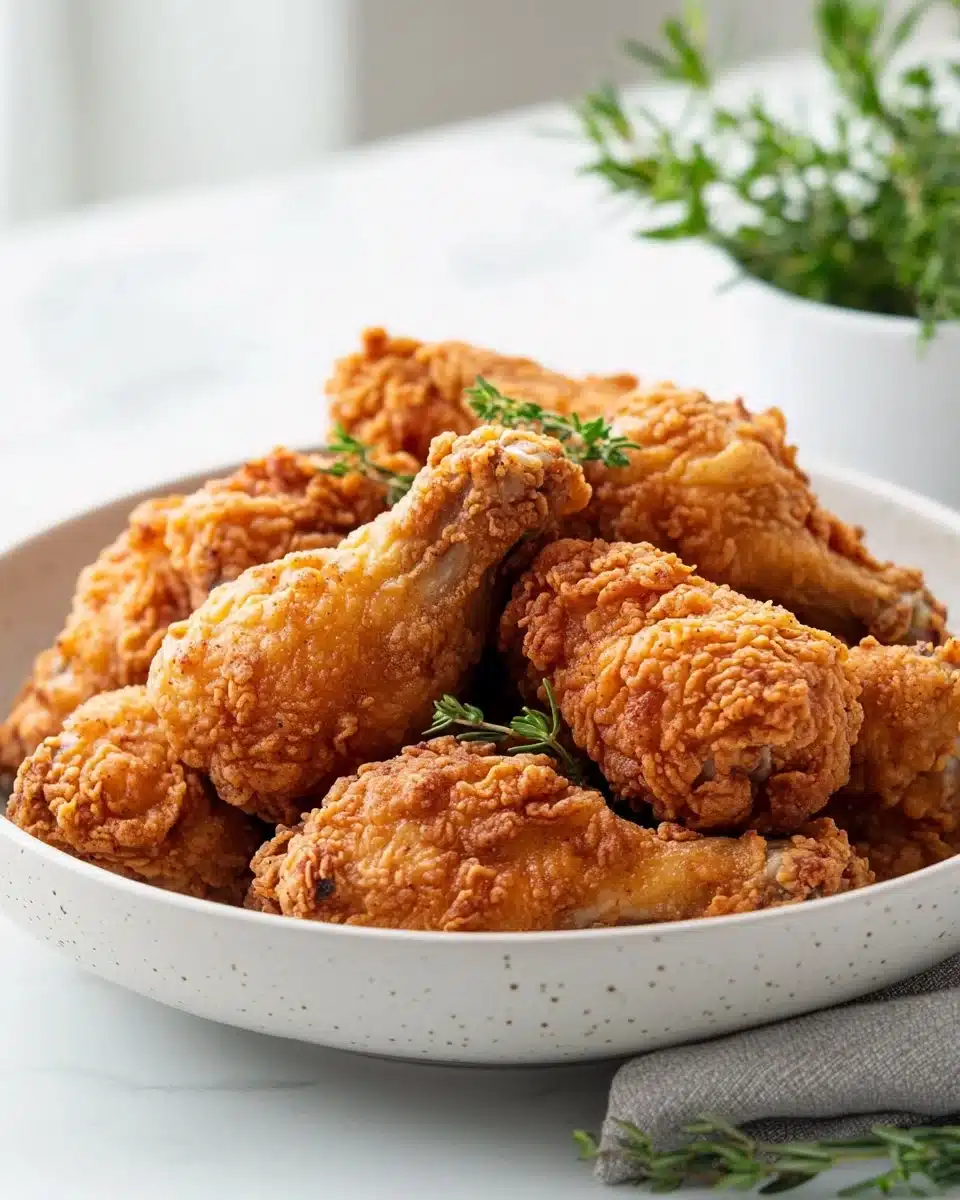

It started with the clatter of plates and the warm, nutty smell of frying oil that always pulls my children out of homework and straight to the kitchen. My grandmother had a back door that led down to the dam and an old wood table with a faded spot where the family leaned in for supper. That same smell still feels like home when I make Southern-Style Fried Chicken, and it is the little ritual of dipping, dredging, and watching the crust turn golden that gathers us around the table.
I love to keep things simple and joyful in the kitchen. If you like crisp, golden chicken with a tender inside, you might also enjoy exploring other easy poultry ideas like these air fryer chicken recipes for weeknights.
Why This Southern-Style Fried Chicken Feels Like Home
This Southern-Style Fried Chicken tastes like an embrace. It is crispy on the outside and juicy inside, the kind of dish that mends a long day without fussy steps. Kids call it crunchy hugs, and I do not argue.
I make it when I want a meal that is both comforting and practical. It feeds a crowd with a single pan or big fryer, and most of the work is hands-on and fun. That means you can chat, pour a sweet tea, or let someone set the table while the chicken sizzles.
Part of why this recipe works is the buttermilk soak. It tenderizes the meat and gives the coating something to cling to. Then the double dredge builds that crunchy shell that everyone reaches for first. Meanwhile, the spice balance keeps it familiar and warm rather than loud.

The Simple Magic Behind Southern-Style Fried Chicken
“This is where the magic happens—when the aroma fills the kitchen and my kids come running in, asking ‘Is it ready yet?’”
Here is the short story of how it comes together. You start by bathing the chicken in buttermilk to soften and flavor the meat. From there, a seasoned flour mixture gets pressed on, then the piece goes back to the buttermilk and then into flour again for a double coat. That twin layer is the secret to a durable, crunchy crust.
The cues that tell you it is right are simple. The crust should be deep golden brown, not just pale. The juices should run clear when you test a thick piece near the bone. And the aroma will be a toasty, garlicky, paprikay promise that supper is close.
When you fry, keep the oil steady. Too hot and the crust burns before the chicken cooks through. Too cool and the coating soaks up oil. A steady 350°F (175°C) is the sweet spot most of the time.
Ingredients You’ll Need
1 whole chicken, cut into pieces
2 cups buttermilk
2 cups all-purpose flour
1 tablespoon paprika
1 teaspoon garlic powder
1 teaspoon onion powder
1 teaspoon salt
1 teaspoon black pepper
Oil for frying
I like to pull everything together before I start. Line up your flour, spices, and buttermilk in bowls so the process feels calm instead of chaotic. If you do not have buttermilk, you can make a quick stand-in with milk and a splash of vinegar, but the real tang of buttermilk is worth the extra flavor.
If you want a lighter experiment for the kids, try pairing this method with some test runs like air fryer chicken tenders to practice smaller pieces and shorter cook times. Don’t skip the salt. It seems small, but it makes the whole dish sing.
Step-by-Step Directions
-
Marinate the chicken in buttermilk for at least 2 hours or overnight in the refrigerator.
Let the bird soak so the buttermilk can break down the proteins and tenderize the meat.
Overnight is best if you have time, but two hours will make a noticeable difference. -
In a large bowl, mix flour, paprika, garlic powder, onion powder, salt, and black pepper.
Whisk until the spices are evenly spread through the flour.
Taste a speck or two of the dry mix if you like; you can adjust for more garlic or a touch more paprika. -
Remove chicken from the buttermilk and let excess drip off.
Hold pieces over the bowl for a few seconds so the buttermilk clings but does not flood the flour bowl.
This helps the first coat stick without making a paste. -
Dredge each piece in the flour mixture, pressing to adhere, then dip back into the buttermilk, and back into the flour mixture for a double dredge.
Pressing helps the flour make textured pockets that crisp up in the oil.
The double dredge is the trick to a crunchy, long-lasting crust everyone will admire. -
Heat oil in a deep skillet or fryer to 350°F (175°C).
Use a thermometer so you keep the temperature steady.
If you prefer less oil, this method also pairs well with an experiment like these air fryer chicken breast recipes for non-fried options. -
Fry the chicken pieces in batches for about 15-18 minutes or until golden brown and cooked through.
Do not overcrowd the pan; give each piece room for the oil to circulate.
Turn pieces gently so they brown evenly, and check the thickest part for doneness. -
Drain on paper towels and serve hot.
Let pieces rest briefly so the juices settle and the crust firms.
Serve right away or keep warm in a low oven while you finish the sides.
A few quick notes from my kitchen: a little browning builds flavor, just like my grandmother showed me. Let the kids stir the dry mix or pat the flour on as younger helpers; it is safe and silly and part of the memory-making.
Serving Southern-Style Fried Chicken with Love
I set the table family-style, with the platter of hot chicken at the center and bowls of sides around it. The kids take crowns of dark and white meat the way they like, and someone always asks for the crunchy wing first.
We like classic sides: mashed potatoes, collard greens or a simple salad, biscuits, and a jar of pickles. A drizzle of honey or a pat of butter on a warm biscuit makes small moments feel special. A squeeze of lemon brightens the plate for anyone who wants it.
For a casual twist, try serving pieces on a large platter with dipping sauces on the side. My family rotates between honey mustard, hot sauce, and a cool ranch. Make it easy and communal so people can reach, laugh, and pass bowls around.
Storage & Reheat Tips (Keeping the Goodness)
To store, cool the chicken to room temperature for no more than two hours, then place it in an airtight container in the fridge. Use within 3 to 4 days for best texture and safety.
When reheating, the oven does the most to bring back crispness. Preheat to 375°F, place the chicken on a rack over a baking sheet, and heat for 10 to 15 minutes until warm and the crust is crisp. The microwave is fine for a quick lunch, but it will soften the crust.
If you like to plan ahead, you can make the chicken completely and then refresh it in a hot oven for 10 minutes before serving. And if you want a crunchy second-day treat, consider turning cooled pieces into sandwiches or salads for new life.
For other reheating ideas or a different cooking approach, see the friendly tips I learned from trying techniques like korean fried chicken air fryer styles that promise crispness without a big pot of oil.
My Kitchen Notes & Shortcuts
• Prep the night before. Cut the chicken and let it marinate overnight so dinner is mostly assembly the next day.
• Keep a shallow tray for dredging. It makes the line of dipping, flouring, and re-dipping less messy.
• Use a thermometer. I have saved many batches from being dry or underdone with a probe thermometer.
• Double-coat for crunch that lasts. The extra dip is small work that pays off in texture.
• Involve little hands. Let kids shake the flour or press it gently on wings. They remember the fun more than the rules.
These little choices have saved me time and stress, and they keep the meal feeling connected and hands-on. Give them a try; you might surprise yourself with how much easier dinner becomes.
Family-Friendly Variations
Make it lighter: Use skinless pieces and bake at 425°F after a light spray of oil to keep the crunch. It is not identical, but it keeps the spirit with fewer calories.
Make it spicy: Add 1 teaspoon cayenne or swap half the black pepper for smoked paprika. My teenagers love a hotter edge with a cool dipping sauce.
Make it kid-friendly: Reduce the garlic and paprika slightly and offer a mild honey glaze on the side. Kids often like simple flavors with a sweet note.
Make it herb-forward: Add chopped fresh thyme and rosemary to the flour mixture for an earthy lift. Fresh herbs can change the dish from simple comfort to something you might serve company.
These variations are invitations to make the recipe your own. Tradition is a starting point; family favorites change and grow with each cook.
FAQs About Southern-Style Fried Chicken
Can I make this ahead for a busy week?
Absolutely! You can marinate and even dredge the chicken up to a day ahead and keep it covered in the fridge. Finish the frying day-of for best crispness.
How do I know the chicken is cooked through?
A thermometer reads 165°F in the thickest part of the meat near the bone. Also, juices should run clear when you pierce it.
My crust gets soggy after a few hours. Any fixes?
Cooling on a rack helps. Re-crisp in a hot oven for 8 to 12 minutes before serving. Avoid stacking pieces while warm.
Is it safe to reuse frying oil?
Yes, strain it through a fine sieve or cheesecloth and keep it covered in a cool spot for a few uses. Discard if it smells off or is increasingly dark.
Can I make this without buttermilk?
You can use a quick buttermilk substitute by mixing milk with a tablespoon or two of vinegar or lemon juice and letting it sit for 5 minutes. It will not be identical, but it lends the acid that helps tenderize.
One Final Thought from My Kitchen
I hope this Southern-Style Fried Chicken finds its way into your family’s joy and stories. The hands-on steps, the squeezes of lemon, the hush when everyone takes that first bite—those are the small things that make a meal more than a recipe.
From my kitchen to yours, take a deep breath, line up your ingredients, and enjoy the noise and warmth that comes with cooking for people you love. It’s easier than it looks, and the memories we build while cooking matter as much as the food on the plate.
Conclusion
If you want a classic reference to compare techniques, I often look to trusted homestyle sources like The Best Southern Fried Chicken – The Country Cook for inspiration and timing ideas. For a traditional take and variations that honor the roots of this dish, consider reading Traditional Southern Fried Chicken Recipe which highlights old-fashioned methods and family stories.
16. Southern Fried Chicken


The table is noisy with little clinks and giggles while a warm, golden scent curls through the house. My youngest keeps asking if the crust is crunchy yet, and I can already see the napkins being folded in quick, hopeful hands. That smell, the one that takes me straight back to my grandmother’s sunlit kitchen by the dam, is what Southern Fried Chicken does best: it invites everyone to the table and keeps them there.
Why This Southern Fried Chicken Feels Like Home
There is something about Southern Fried Chicken that pulls people close. It is not only the crisp skin or the juicy meat, but the memories it makes: a Sunday crowd, a picnic blanket, a child’s delighted squeal when the first piece is passed. This recipe is built to be forgiving and satisfying, so you can feed a hungry family without fuss.

I’ve learned to keep this dish simple and soulful. The crust should be golden, not burned; the meat should be moist, never dried out. Meanwhile, a touch of hot sauce in the buttermilk gives a faint, warm hum of flavor, just enough to remind you why this is a classic. If you like a different kind of kick, try a dash more or less — the kitchen is your friend.
If you’re curious about other ways to treat chicken, try this Korean fried chicken air fryer recipe for a different take on crunch and flavor.
How to Make Southern Fried Chicken, The Heartwarming Way
“This is where the magic happens—when the aroma fills the kitchen and my kids come running in, asking ‘Is it ready yet?’”
Here’s the short version of the process: brine the chicken overnight, dredge it in a well-seasoned flour mixture, and fry in hot oil until the crust is deeply browned and the juices run clear. The cues to watch for are a deep golden color, a crust that resists pressing, and an internal temperature of 165°F at the thickest part.
The texture you want is a crackly, shatterable crust and meat that pulls away moistly. From there, let the pieces rest a few minutes to settle the juices. Those little waits are where the magic finishes.
Ingredients You’ll Need
3 pounds chicken pieces (cut into 8 pieces (2 breasts, 2 thighs, 2 drumsticks, 2 wings))
2 cups buttermilk
1 tablespoon hot sauce
2 cups all-purpose flour
2 teaspoons salt
1 teaspoon black pepper
0.5 teaspoon paprika
0.5 teaspoon garlic powder
0.5 teaspoon onion powder
4 cups vegetable oil or shortening (for frying)
A friendly note: don’t skip the buttermilk — it tenderizes and adds a gentle tang. If you do not have buttermilk, mix 2 cups milk with 2 tablespoons lemon juice and let it sit for 5 minutes. Use what’s in your fridge when you must; cooking is about joy, not perfection.
For a richer meal plan or to pair this with a cheesy casserole, you might like this spicy southern cheesy chicken spaghetti casserole idea.
Step-by-Step Directions
-
Combine the buttermilk and hot sauce in a large bowl. Add the chicken pieces and press them down so they are submerged.
Tip: Let them soak 1 to 4 hours, or overnight for best tenderizing. Longer gives a softer texture, just like my grandmother used to insist. -
In a shallow dish, whisk the flour with salt, pepper, paprika, garlic powder, and onion powder. Make sure the spices are evenly mixed.
Tip: Shake the flour mixture through a sieve for a fluffier dredge if you want an extra-light crust. -
Remove a piece of chicken from the buttermilk and let excess drip off. Dredge thoroughly in the seasoned flour, pressing so the coating clings. Place on a wire rack before frying.
Tip: Double dredge for an extra-crispy crust: back into buttermilk, then into the flour again. -
Heat the oil or shortening in a heavy, deep skillet or Dutch oven to 350°F. Use a thermometer; visual cues alone can be misleading.
Tip: If you don’t have a thermometer, test with a cube of bread — it should brown in about 60 seconds. -
Fry the chicken in batches, careful not to crowd the pan. Keep the oil between 325°F and 350°F by adjusting the heat. Fry until a deep golden brown and internal temperature reaches 165°F, about 12–15 minutes depending on piece size.
Tip: Flip gently once. A little browning builds flavor, just like Grandma showed me. -
Transfer cooked pieces to a wire rack set over a sheet pan to drain and rest for 10 minutes. This keeps the crust crisp while the juices redistribute.
Tip: Don’t skip the rest. Cutting too soon releases flavorful juices and makes the meat dry.
If you want to adapt this to smaller bites or an air fryer twist next time, I often consult this air fryer boneless chicken bites guide for inspiration.
Serving Southern Fried Chicken with Love
Serve the chicken family-style in the center of the table and let everyone help themselves. I place a few bowls of sides around it — mashed potatoes, green beans, and pickles — and watch the little competitions begin over who gets the drumstick.
We always include at least two saucy options: a tangy honey-mustard and a classic gravy. Someone at our table always insists on extra hot sauce, while the littlest prefers a mild honey dip. Sharing the dish this way keeps things lively and brings everyone into the moment.
When I have guests, I set out a big basket lined with paper towels for people to toss their bones and napkins, and I make sure there’s a small pitcher of sweet tea nearby. Simple plates, good conversation, and a warm kitchen light — that’s the rest of the recipe.
Storage & Reheat Tips (Keeping the Goodness)
Cool the chicken to room temperature within two hours, then transfer pieces to an airtight container or a shallow pan covered tightly with foil. Store in the refrigerator for up to 3 days. For longer keeping, freeze in a single layer on a baking sheet, then bag and freeze up to 2 months.
When reheating, the oven or air fryer brings back the crisp best. Preheat the oven to 375°F and reheat on a rack for 10–15 minutes until warmed through. If you need a quick lunch, the microwave is fine for the meat but expect the crust to soften. Use the air fryer for a near-fresh crisp in 6–8 minutes.
If you like reheating in an air fryer or want more air-fryer ideas for chicken, check these air fryer chicken breast recipes for helpful tips on timing and texture.
My Kitchen Notes & Shortcuts
- Brine overnight when you can. It does the heavy lifting for tenderness and keeps the meat juicy through frying.
- Use a digital thermometer. It removes guesswork and keeps you from overcooking. I now consider it one of my kitchen must-haves.
- Prep ahead: coat the chicken and arrange on a tray in the fridge an hour before frying. This firms up the crust and shortens hands-on time.
- Involve the kids by letting them shake the flour in a bag for dredging. They love getting a little messy, and it’s an easy job with big rewards.
- Swap vegetable oil for shortening if you want a more traditional flavor and slightly different texture. I keep both on hand and choose by mood.
Family-Friendly Variations
- Lighter version: Bake at 425°F for 35–40 minutes, flipping halfway, for a drier, but still tasty, crust. It’s not the same as frying but it saves time and splatter.
- Spicy twist: Add 0.5 teaspoon cayenne to the flour and a splash more hot sauce to the buttermilk for a bolder bite. My brother requested this once and never looked back.
- Kid-friendly: Use mild seasoning and pair with apple slices and a little honey mustard. The littlest at my table eats three pieces this way.
- Herb-forward: Add 1 tablespoon chopped fresh thyme or rosemary to the flour for an aromatic lift. Fresh herbs are optional but lovely — don’t be afraid to experiment.
If you want more playful chicken ideas to make it your own, explore these air fryer chicken recipes to borrow flavors and techniques.
FAQs About Southern Fried Chicken
Q: Can I make this ahead for a busy week?
A: Absolutely. Marinate the chicken in the buttermilk the night before, then coat and refrigerate on a tray. Fry when you are ready. This saves time and deepens flavor.
Q: How do I know the oil is the right temperature?
A: A candy or deep-fry thermometer is the surest way. If you don’t have one, drop a small piece of bread in; it should brown in about 60 seconds at the right heat.
Q: Why did my crust come off after frying?
A: Often the flour coating needs to set before frying. Let the coated pieces rest 10-20 minutes on a rack, or double dredge for a stronger crust that adheres well.
Q: Is shortening better than oil?
A: Shortening can give a slightly different texture and flavor and is traditional in some kitchens. Vegetable oil has a neutral taste and is easier to handle. Both work well.
Q: Can I use bone-in only or boneless only?
A: You can use either. Bone-in gives more flavor and stays juicier, while boneless pieces cook faster and are easier to eat for little hands.
One Final Thought from My Kitchen
I hope this recipe gives you an easy path to a meal that feels special without being complicated. The joy of Southern Fried Chicken is in the sharing. Once the skillet comes out, the house fills with a cozy energy that makes even a weekday dinner feel like a small celebration.
If you try any of these shortcuts or add your own twist, I would love to hear about the way your table looks and sounds. Give it a try — you might surprise yourself.
Conclusion
If you want to see other classic takes and technique details, I recommend reading The Best Southern Fried Chicken – The Country Cook for a comforting, tried-and-true version. For a deep dive into brining and an expert’s step-by-step, see The Best Buttermilk-Brined Southern Fried Chicken – Serious Eats.
17. Crispy Spicy Buttermilk Fried Chicken
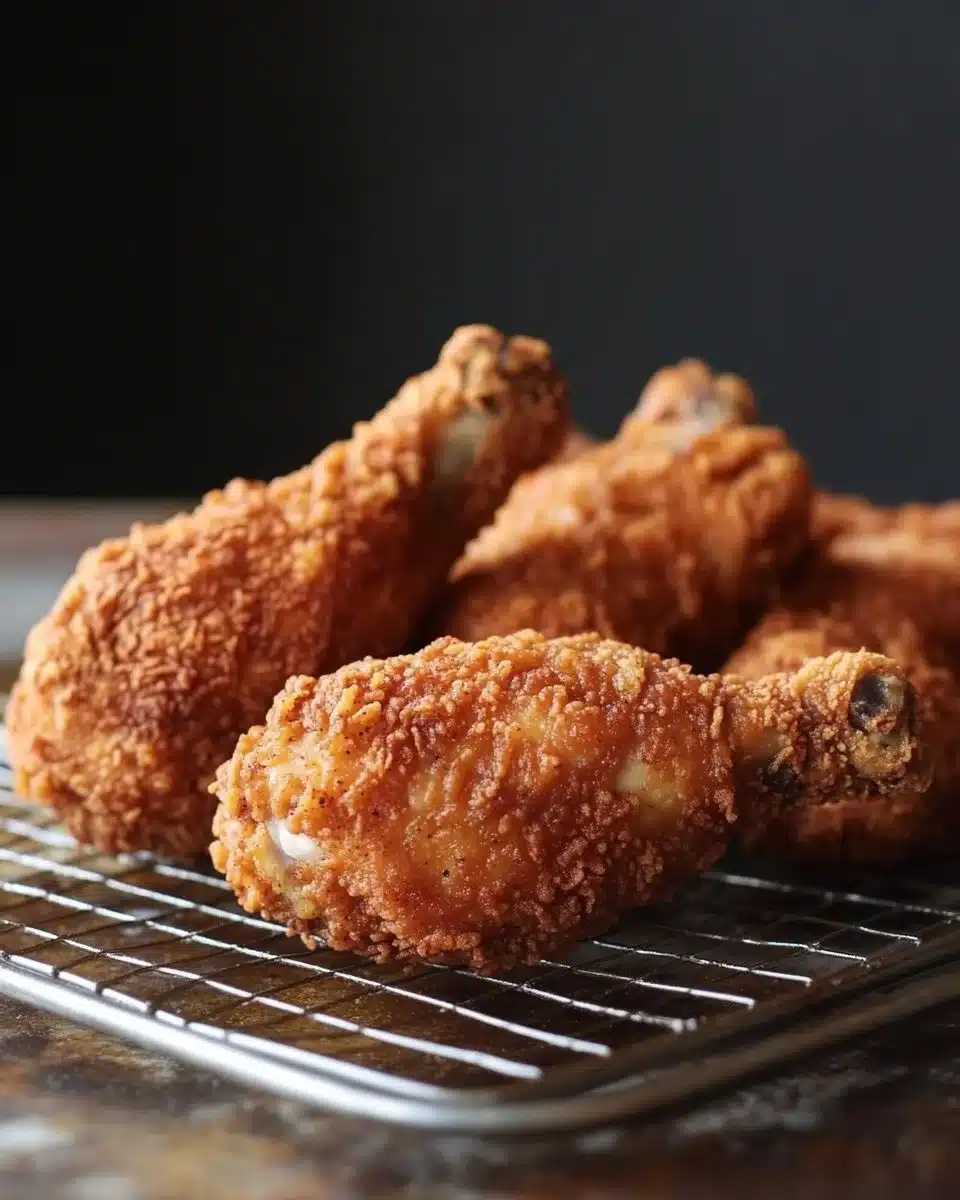

There is a moment in my kitchen when the tablecloth flutters and the kids drop their toys to set the forks down. The air fills with a warm, familiar smell of spices and frying oil, and everyone knows a comfort meal is on its way. That feeling—simple, loud, and a little messy—is exactly why I make Crispy Spicy Buttermilk Fried Chicken on nights when we need food that tastes like home. If you want something equally crispy but lighter sometimes, try my take on crispy air fryer chicken mozzarella wraps for an easy weeknight twist.
Why This Crispy Spicy Buttermilk Fried Chicken Feels Like Home
There is a kind of kitchen memory that comes with fried chicken. For me it is my grandmother’s table, plates passed family-style, little hands reaching for drumsticks. This Crispy Spicy Buttermilk Fried Chicken captures that warmth and adds a gentle kick to keep grown-ups smiling too.
Meanwhile, the texture is everything: tender, tangy meat inside and a crust so crisp it sings when you bite it. The spice is balanced by the cool tang of the buttermilk marinade, so the heat feels like a hug, not a punishment. 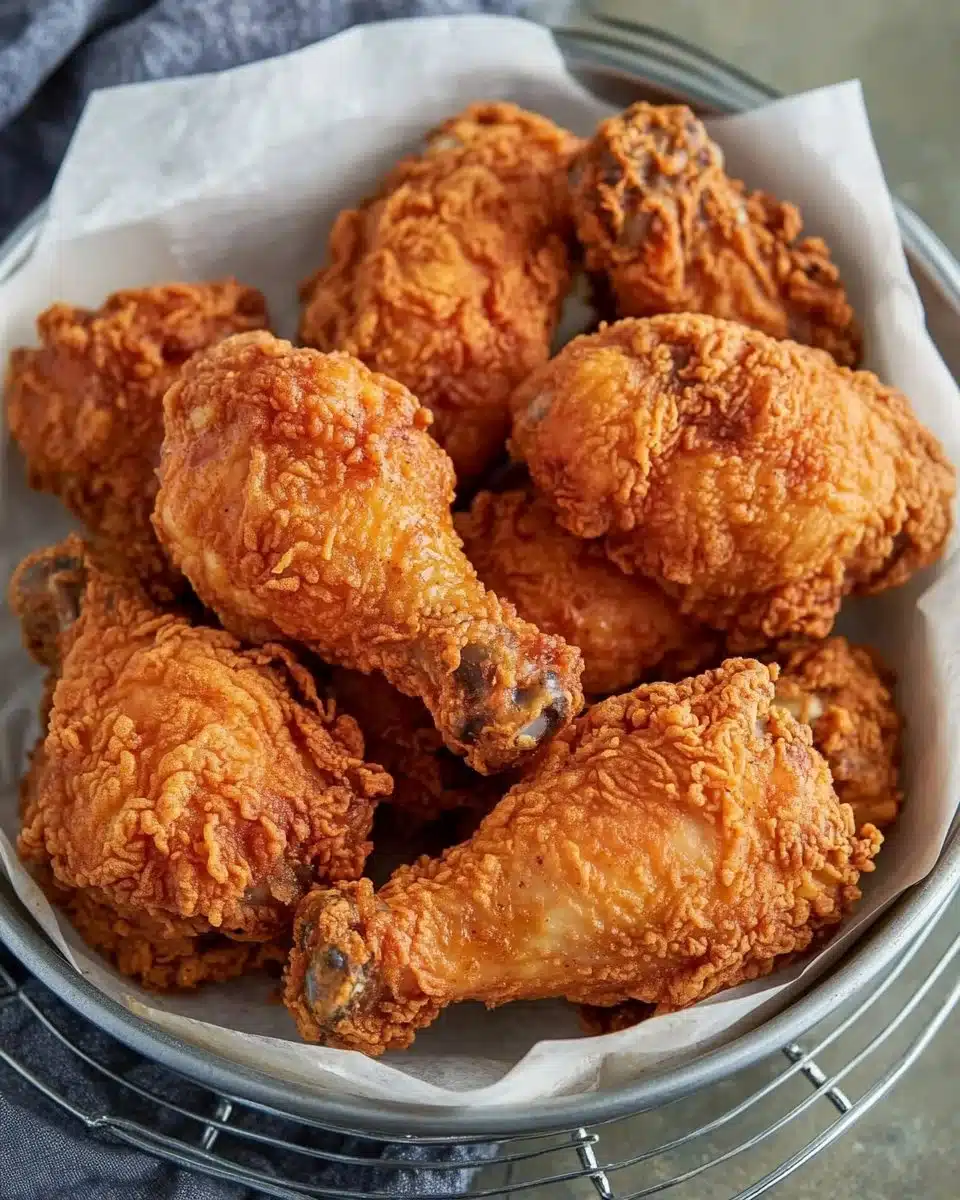
This recipe works because it does a few key things right: it brines and tenderizes with buttermilk, it builds a layered crust with flour and cornstarch, and it gives the chicken room in the fryer so the outside goes golden without the inside drying out. For another family favorite that loves a little extra crunch, my kids also ask for crispy air fryer chicken wings when we want bites over bones.
The Simple Magic Behind Crispy Spicy Buttermilk Fried Chicken
“This is where the magic happens—when the aroma fills the kitchen and my kids come running in, asking ‘Is it ready yet?’”
Next up, you’ll see why each stage matters. The buttermilk makes the meat soft and gives the coating something to cling to. The double-seasoned flour adds color, and a short rest after dredging helps the crust set so it does not fall off. Watch for a rich golden brown and listen for that steady sizzle; that tells you the crust is crisping while the inside finishes gently.
Ingredients You’ll Need
What makes a pantry-friendly recipe is simplicity. Gather these small handfuls of staples and you will be ready.
1 1/2 cups buttermilk
1 tablespoon hot sauce
1 teaspoon paprika
1 teaspoon garlic powder
1 teaspoon onion powder
1 teaspoon salt
1/2 teaspoon black pepper
2 large eggs
2 pounds chicken pieces (drumsticks, thighs, or bone-in breasts)
2 cups all-purpose flour
1/2 cup cornstarch
2 teaspoons paprika
2 teaspoons garlic powder
1 teaspoon onion powder
1 teaspoon cayenne pepper
2 teaspoons salt
1 teaspoon black pepper
4 cups vegetable oil, for deep frying
Friendly note: don’t skip the buttermilk. It’s the soul of the dish for tenderness. If you don’t have buttermilk, you can make a quick substitute with milk and lemon juice, but real buttermilk gives that gentle tang I love. If you want to balance the plate, consider a creamy side like my spicy southern cheesy chicken spaghetti casserole for a cozy pairing.
How to Make Crispy Spicy Buttermilk Fried Chicken, The Heartwarming Way
Step-by-step, this is kinder than it looks. It asks for a little waiting but not much work. We brine, dredge, rest, and fry. The sounds and smells are part of the dinner ritual—let the family take turns watching the pan if they want.
-
In a large bowl, whisk together the buttermilk, hot sauce, paprika, garlic powder, onion powder, salt, black pepper, and eggs until well combined.
Tip: Whisk until smooth; the hot sauce and spices should color the buttermilk a soft orange. Smell it and smile—you’re off to a great start. -
Add the chicken pieces to the bowl, ensuring they are fully submerged in the marinade.
Tip: Use a shallow dish or a zip-top bag to make turning easy. Press the marinade around each piece so it soaks in. -
Cover and refrigerate for at least 4 hours, or overnight for best flavor and tenderness.
Tip: Overnight is worth it. The longer rest gives a deeper flavor and softer texture. Busy night? Four hours still helps a lot. -
In a large shallow dish, combine the flour, cornstarch, paprika, garlic powder, onion powder, cayenne pepper, salt, and black pepper. Mix thoroughly.
Tip: Cornstarch helps the crust snap. Give the bowl a brisk stir to make sure spices are even. -
Remove each piece of chicken from the buttermilk marinade, allowing the excess to drip off, then dredge in the flour mixture, pressing firmly so the coating adheres well.
Tip: Press gently but firmly. The coating should stick in a thick, even layer. It’s okay if a little goes on the rack—that adds extra crunch. -
Place coated chicken on a wire rack and let it rest for 10–15 minutes to help the crust set.
Tip: This small pause makes a big difference. The coating loses excess moisture and becomes ready for a crisp fry. -
Pour the vegetable oil into a large, heavy-bottomed pot or deep skillet, filling it to about halfway. Heat the oil to 350°F (175°C).
Tip: Use a thermometer. The right oil temp gives a golden exterior without greasy chicken. If the oil is too cool, the crust soaks oil; too hot and the crust burns. -
Working in batches, carefully add the coated chicken pieces to the hot oil, being careful not to overcrowd the pot.
Tip: Overcrowding drops the oil temperature. Give each piece room to float and crisp. -
Fry the chicken, turning occasionally, for 12–15 minutes for smaller pieces and 15–18 minutes for larger pieces, or until golden brown and cooked through with an internal temperature of 165°F (74°C).
Tip: Use a probe thermometer in the thickest part. Don’t guess. A little browning builds flavor—aim for a deep gold. -
Transfer the fried chicken to a clean wire rack set over a baking sheet to drain excess oil and keep the crust crisp.
Tip: Skip the paper towels. A rack keeps the bottom crisp and avoids steaming the crust. -
Let the chicken rest for 5 minutes before serving to allow the juices to redistribute.
Tip: Five minutes means hot, juicy meat and safer eating. Use that time to get the sides on the table. -
Serve hot with your favorite sides such as mashed potatoes, coleslaw, or cornbread.
Tip: I like a lemony slaw to cut the spice and a scoop of mashed potatoes to comfort.
Each of these steps keeps the process calm and clear. Give it a try—this method rewards a little patience with a lot of flavor.
Serving Crispy Spicy Buttermilk Fried Chicken with Love
Serving is part theater, part comfort. I put the platter in the middle of the table, let children reach for what they love, and give a few sauces on the side. In our house, the spicy pieces go fast, while the kids reach for the mildly seasoned thighs first.
I also set out a few simple toppings: pickles, a squeeze of honey, and a bowl of buttermilk ranch. This lets everyone make their own perfect bite.
For sides, I like the classic trio: creamy mashed potatoes, bright coleslaw, and warm cornbread. Or if we want something playful, the kids and I dip bites into a mild honey mustard while chatting about their day. If you want a smaller-bite option for little hands, try my air-fryer boneless chicken bites as a starter while the main pieces rest.
Storage & Reheat Tips (Keeping the Goodness)
Once cooled, store leftovers in an airtight container in the fridge for up to 3 days. If you have more than a day or two in mind, freeze on a tray first, then transfer to a freezer bag for up to 2 months.
When reheating, the oven is your friend. Preheat to 375°F and reheat on a wire rack set over a baking sheet for 10–15 minutes, or until heated through and the crust is crispy again. The microwave is okay for a quick lunch, but it will soften the crust.
If the chicken has been frozen, thaw it in the fridge overnight and then re-crisp in the oven. A quick 5-minute blast under the broiler at the end can bring back extra gleam to the crust without drying it out.
My Kitchen Notes & Shortcuts
What I’ve learned making this again and again is that small shortcuts keep the soul of a recipe intact.
- Brine-like trick: If you’re short on time, marinate for at least an hour. It helps more than you think.
- Make ahead: Prep the flour mix and store it in a zip bag for the week. Then it’s a 10-minute dredge on the night.
- Kid help: Let the kids shake the flour mix in a bag with the chicken for fun and less mess. They love it and it feels like participation.
- Oil care: Use a deep, heavy pot and a thermometer. Controlling the temperature is the main secret to less greasy chicken.
- Swap smart: Want less heat? Cut the cayenne by half and keep the paprika for color and warmth.
Family-Friendly Variations
Make it your own without losing what makes this dish special.
- Mild version: Reduce cayenne, add smoked paprika for depth without fire.
- Extra crunchy: Double-dredge the chicken—dip back in the buttermilk briefly and dredge a second time.
- Oven-fried: After dredging, bake at 425°F on a rack, spray lightly with oil, and cook 35–40 minutes until brown. It is not quite the same but still delicious.
- Asian-inspired twist: Add a teaspoon of five-spice to the flour mix and swap hot sauce in the brine for a spoon of gochujang for a sweet-heat note similar to my korean fried chicken air fryer spin.
These small changes let the dish fit your family’s tastes and traditions.
FAQs About Crispy Spicy Buttermilk Fried Chicken
Can I make this ahead for a busy week?
Absolutely! You can marinate the chicken up to 24 hours ahead and refrigerate. The dredging works best right before frying, but you can coat and rest the pieces in the fridge for a few hours.
What if I don’t have a thermometer?
A thermometer is the most reliable tool. If you don’t have one, look for clear juices and firm meat with no pink near the bone. Still, get a thermometer—it is the best fast investment for safer, tastier meals.
Why did my crust fall off?
It often happens when the coating is too wet or the oil temperature is wrong. Let the dredged pieces rest on a rack to set, and make sure the oil stays near 350°F when frying.
Is there a way to reduce oil splatter?
Dry the chicken slightly before dredging, don’t overcrowd the pan, and use a splatter screen if you have one. Keep kids back and give yourself room to work.
Conclusion
I hope this Crispy Spicy Buttermilk Fried Chicken becomes a warm bookmark in your family’s week. It’s a dish that asks for a little time and gives a big return: flavor, laughter, and full plates. If you ever want another version with slightly different spice notes, you might like the inspiration in Spicy Buttermilk Fried Chicken | Queenslee Appétit, and for a soul-food approach with similar heart I often look at Crispy Spicy Buttermilk Fried Chicken Recipe – Meiko and The Dish for ideas.
Until next time, happy cooking and pass a drumstick to someone you love.
18. Easy Homemade Simple Chicken Fried Rice That Beats Takeout
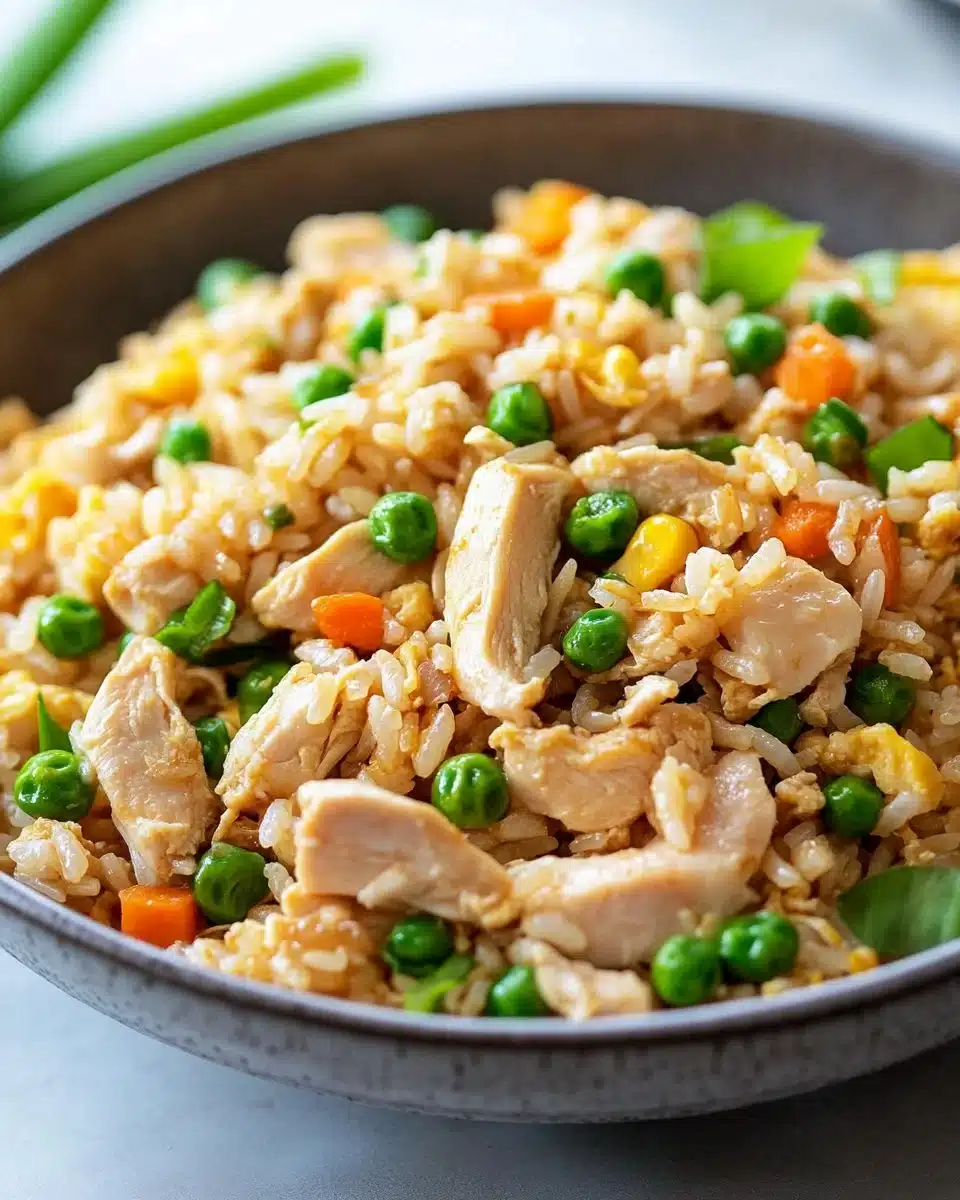

I can still hear the clink of spoons on plates from last Saturday, the little chaos of napkins and crayons, and the warm, savory steam rising from the frying pan that made everyone pause. That moment when a simple dish fills the room and people stop to breathe it in is what I cook for, and this Easy Homemade Simple Chicken Fried Rice That Beats Takeout does exactly that. If you love a dinner that comes together fast and feels like a small celebration, you might also enjoy my Easy Crockpot Cheesy Chicken Broccoli Rice for another fuss-free weeknight winner.
Why This Easy Homemade Simple Chicken Fried Rice That Beats Takeout Feels Like Home
There are meals that impress and meals that comfort. This chicken fried rice does both without drama. It has that bright soy-sesame aroma that makes kids nose their way to the table and a familiar, homely texture that reminds me of Sundays at my aunt’s.
It works because it balances simple ingredients in ways that feel thoughtful: a little brown on the chicken, a quick sizzle on the rice, and the gentle pop of peas. Meanwhile, the whole dish comes together cleanly in one pan so cleanup is kinder to your evening.
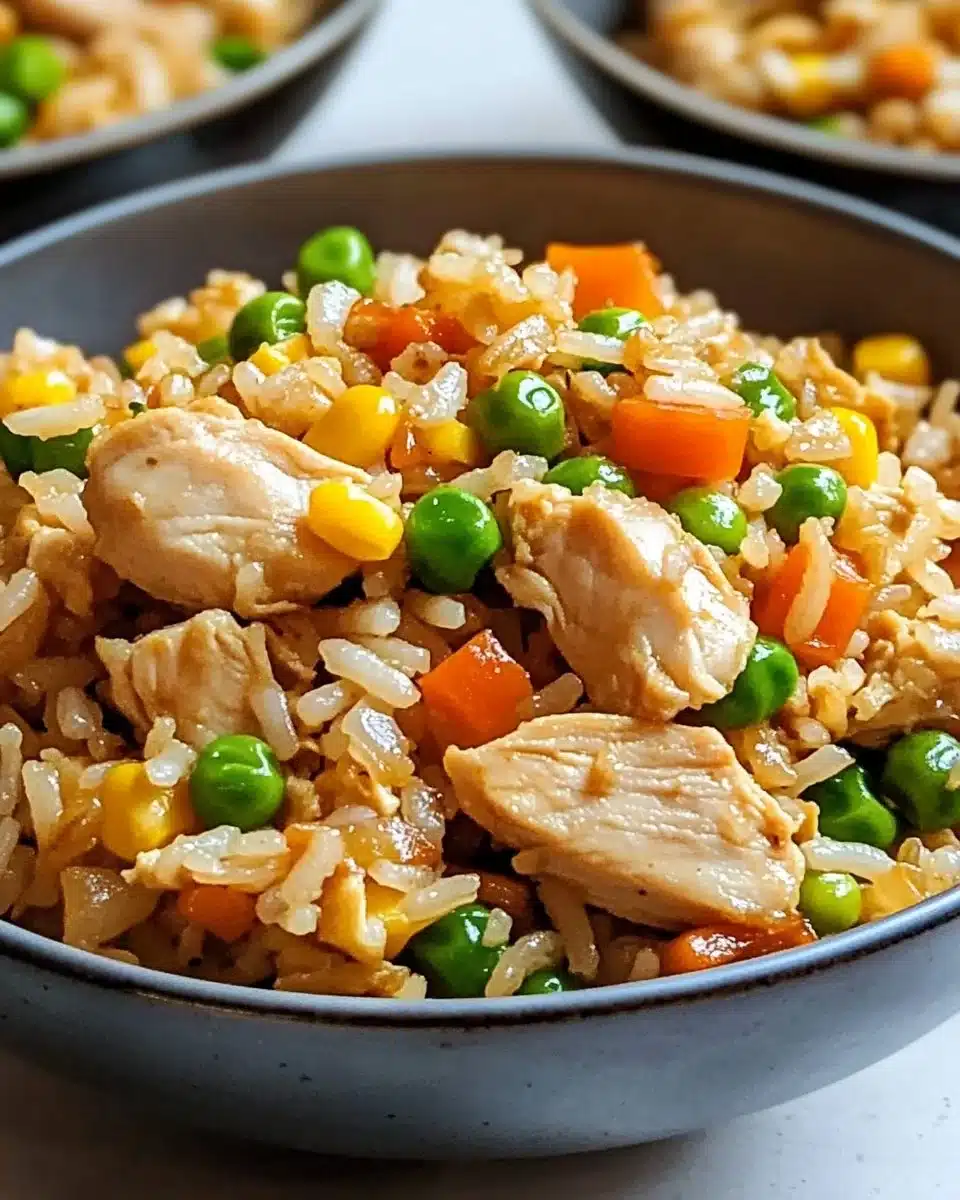
You will notice the difference when you use day-old rice and let the wok or skillet get really hot. The rice gets those slightly toasted edges that copy the takeout vibe, but with fresher flavors and less oil. This is a recipe that hugs you and moves quickly, the kind of home cooking that becomes a memory.
Why Easy Homemade Simple Chicken Fried Rice That Beats Takeout is Our New Family Favorite
It is fast. It uses pantry-friendly items. And it is endlessly adjustable for picky eaters and adventurous ones alike. When my kids were little, one liked plain rice, the other liked extra veggies, and this dish let everyone add what they wanted.
The flavors are comforting but not heavy. You can make it lighter by skipping the sesame oil or richer by adding a drizzle of oyster sauce if you have it. From prep to plate, it’s a small ritual that brings everyone together, and it makes weeknights feel a little special.
The Simple Magic Behind Easy Homemade Simple Chicken Fried Rice That Beats Takeout
The secret is texture and timing. A hot pan, quick-moving hands, and a little patience to let the rice and chicken develop color create depth. When I teach this to friends, I stress two things: use chilled rice, and do not overcrowd the pan.
“This is where the magic happens – when the aroma fills the kitchen and my kids come running in, asking ‘Is it ready yet?'”
Once the garlic is fragrant and the chicken has browned, the rest is a joyful stir-and-smile moment. You will see small brown bits on the pan. Those are flavor gold. Scrape them up with the soy sauce and watch the rice soak it in.
Why This Recipe Works for Our Busy, Joyful Nights
This meal gives you control. You can start it while the laundry is folding, or let older kids take over the stir-frying while you set the table. It uses one main pan and a small set of fresh staples that you probably already keep on hand.
It scales easily. Multiply the rice and chicken for extras, or double the veggies to stretch the meal. And if you want to prep early, slice the chicken and chop the veg in the morning so dinner is almost ready by the time you walk in the door.
How to Make Easy Homemade Simple Chicken Fried Rice That Beats Takeout, The Heartwarming Way
Below is a friendly overview before the step-by-step. The dish is about quick, confident moves: cook or reheat rice, brown the chicken, scramble in the eggs, then toss everything with veggies and seasoning. Texture cues matter: look for lightly golden chicken edges, rice grains that separate easily, and bright green peas popping in the mix.
Next up, give everything a final taste for salt and soy. From there, finish with green onions and a few drops of sesame oil for that true takeout beat. If you want another easy rice idea that travels well to lunches, try the bright flavors in the Tangy Honey Lime Chicken Avocado Rice Stack for inspiration.
Step-by-Step Overview: Keeping It Simple
Think of this as three mini-recipes in one pan: rice base, quick scramble, and the chicken-veg finish. The timing is short so prep everything first. You will get to experience that satisfying moment when everything comes together right at the end.
Ingredients You’ll Need
4 cups cooked white rice (Use day-old rice for best texture.)
2 large eggs (Lightly beaten.)
1 pound boneless, skinless chicken breast (Thinly sliced.)
2 tablespoons soy sauce
2 cloves garlic (Minced.)
3 stalks green onions (Sliced.)
1 teaspoon sesame oil (A few drops.)
1 cup frozen peas and carrots (Convenient and colorful.)
1 cup diced bell peppers or corn (Optional.)
A small note from my kitchen: don’t skip the green onions. They brighten the whole plate. If your fridge is a little low, swap in what you have. This dish rewards resourcefulness more than perfection.
Preparing Easy Homemade Simple Chicken Fried Rice That Beats Takeout Without the Stress
Before you start, lay out your mise en place. Slice the chicken, beat the eggs, and have the rice fluffed and separated. That small bit of organization makes the entire cooking sequence calm and fast.
If you want to make this a weeknight champion, pre-slice the chicken and freeze it in portions. Thaw in the fridge the night before and your dinner will take half the time.
Step-by-Step Directions
For the Rice Base
- Heat a large skillet or wok over medium-high heat and add a splash of neutral oil. Give it a minute so the pan really warms up. A hot surface keeps the rice from getting mushy.
- Add the day-old rice, breaking up any clumps with a spatula. Toss and let a few grains toast and brown slightly. That toasty note lifts the whole dish.
For the Chicken
- Push the rice to one side, or remove briefly to create room. Add a bit more oil if the pan is dry and add the sliced chicken. Let it sear 2 to 3 minutes undisturbed to develop color.
- Season lightly with a pinch of salt and half the soy sauce. Once the edges are golden and the chicken is cooked through, move it back to the rice.
To Assemble
- Clear a small spot in the center of the pan. Pour in beaten eggs and scramble quickly until just set. Mix eggs through the rice and chicken so the eggs coat some grains.
- Add the minced garlic, frozen peas and carrots, and diced peppers or corn. Stir-fry until vegetables are heated and bright. Finish with the remaining soy sauce and a few drops of sesame oil.
- Toss in sliced green onions, taste, and adjust seasoning. Serve hot and watch the family smile.
A quick practical tip: if your pan gets crowded, work in batches. It is better to brown in two rounds than to steam everything together. If you want ideas for oven-friendly rice dishes or casseroles for prep nights, see this comforting chicken and rice casserole for a hands-off option.
Serving Easy Homemade Simple Chicken Fried Rice That Beats Takeout with Love
We serve this family-style in the middle of the table, bowls passed around, and little hands reaching for extra scallions. Add soy sauce and sriracha on the side for those who like to tinker, and a simple cucumber salad to freshen things up.
I like to set out small bowls of sliced limes and extra green onions. Let everyone customize. Someone in my house always wants more heat, another wants more veggies, and this dish welcomes all those small preferences.
If you like bowls with a hearty side, I often pair this with a roasted sweet potato bowl on the lighter weeks—one of our favorites is the Chicken and Sweet Potato Rice Bowl which complements this fried rice nicely.
Storage & Reheat Tips (Keeping the Goodness)
Store leftovers in an airtight container in the refrigerator for up to four days. Spread the rice flat in the container if possible so it cools quickly and reheats evenly. This keeps the texture pleasant and safe.
For reheating, the skillet wins. Add a small splash of oil and re-crisp the rice over medium heat, stirring frequently until heated through. The microwave works fine for a quick lunch; sprinkle a few drops of water on top to add moisture and cover loosely.
If you want to refresh the flavor, finish reheated portions with fresh green onions and a drizzle of sesame oil. That little touch brings the dish back to life.
My Kitchen Notes & Shortcuts
- Freeze slices of chicken in recipe-sized portions so you can defrost exactly what you need. It saves time and avoids waste.
- Use leftover roasted chicken to skip the browning step entirely—this often turns weeknight chaos into calm.
- Swap the frozen peas and carrots for whatever you have: edamame, frozen corn, or chopped zucchini all work. It is about making it yours.
- If you have picky eaters, serve the fried rice deconstructed: rice in the bowl and toppings on the side. Let them build their plate.
- For a spicy, smoky note, stir in a teaspoon of chili garlic sauce at the end.
If you enjoy trying variations that lean into flavors from different kitchens, check out this playful Chicken Enchilada Rice Casserole for an idea on layering spices in rice dishes.
Family-Friendly Variations
Keep it simple for small children by leaving the soy light and serving a lemon wedge on the side. For grown-ups, add a splash of rice vinegar or a pinch of white pepper for a restaurant-style bite.
Turn it vegetarian by swapping tofu for chicken and using vegetable broth to add depth. For a richer take, stir in a tablespoon of butter at the end and sprinkle with toasted sesame seeds.
You can also make it grain-free by using cauliflower rice. Sauté it briefly before combining with the eggs and veggies so it does not become watery.
FAQs About Easy Homemade Simple Chicken Fried Rice That Beats Takeout
Q: Can I make this ahead for a busy week?
A: Absolutely. Cook everything and store separately in the fridge. Reheat the rice in a skillet and add warmed chicken and veggies at the end so nothing overcooks.
Q: What if I only have fresh rice?
A: Freshly cooked rice tends to be softer. Spread it on a sheet pan to cool and dry a bit before using, or use lower heat and more active stirring to reduce clumping.
Q: How do I keep the chicken moist?
A: Thin slices cook quickly and evenly. Don’t overcook; remove the chicken when it is just done and let carryover heat finish it if needed.
Q: Is there a gluten-free option?
A: Use tamari or a gluten-free soy sauce substitute. The rest of the ingredients are naturally gluten-free if you check labels.
Q: Can kids help with this recipe?
A: Definitely. Kids can beat the eggs, measure the rice, or stir in the peas. It is a safe and fun way to build kitchen confidence.
One Final Thought from My Kitchen
I hope this recipe becomes one of those meals you reach for when you want comfort without fuss. It is a dish that carries small moments: a fond memory, a quick hug, a shared laugh while someone grabs an extra fork. Give it a try—you might surprise yourself with how quickly it wins a spot in your weekly rotation.
Conclusion
If you want more ideas that beat takeout and are friendly for busy evenings, I like this Easy Better-Than-Takeout Chicken Fried Rice – Averie Cooks for a slightly different spin and this Better than Takeout Chicken Fried Rice – The Recipe Critic for another trusted method. Both are great resources to explore flavor tweaks and technique tips.
19. Hibachi Chicken Fried Rice
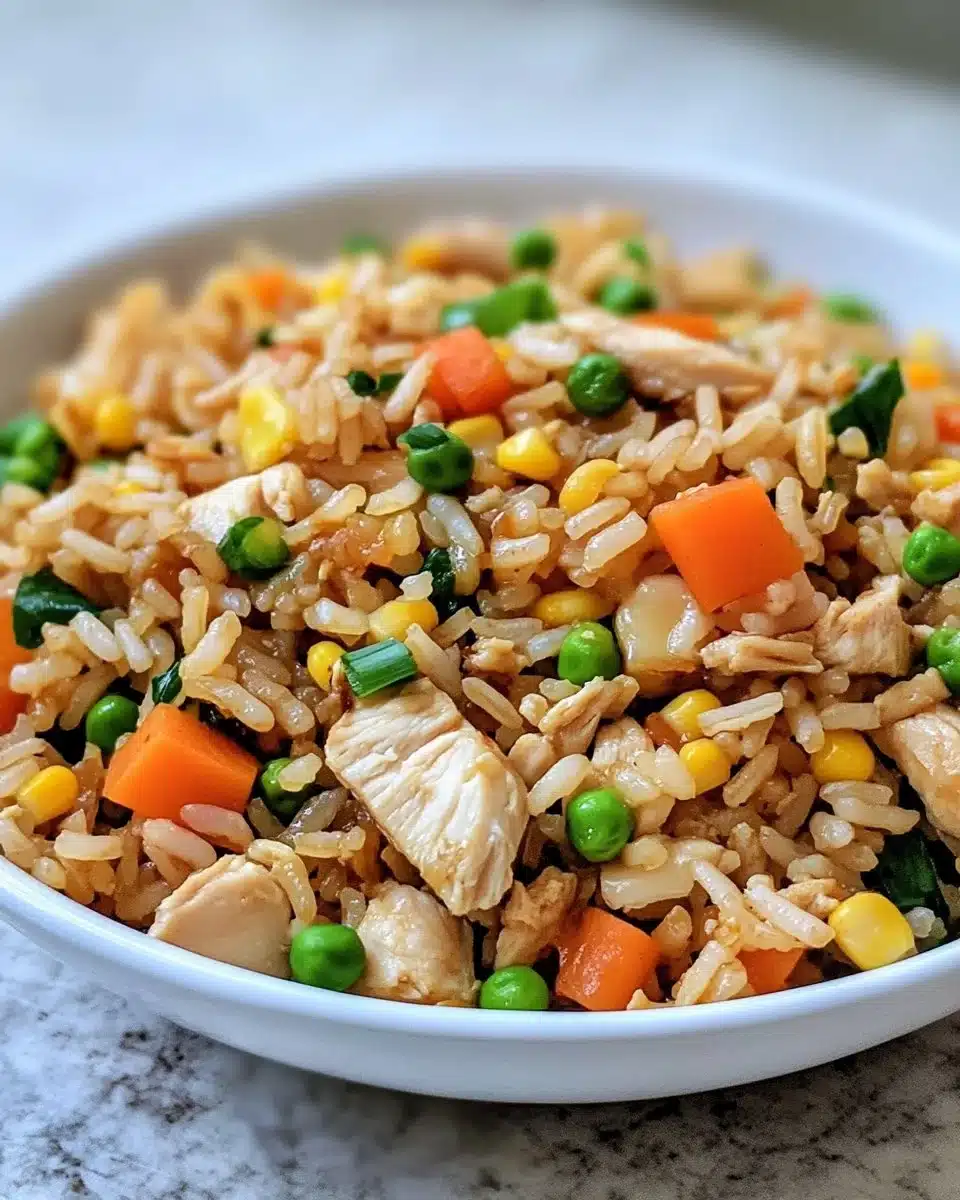

The room smells like warm soy and sesame, and I can hear the kids setting plates at the table with that happy clatter that means dinner is almost ready. My husband hums a tune from his childhood while I finish stirring, and the chicken sizzles in the pan, sending up little golden flecks of flavor. It is that moment, small and loud and perfectly ordinary, that makes this Hibachi Chicken Fried Rice feel like the warm heart of our week. If you like the idea of hibachi at home, this recipe sits comfortably beside my favorite cast iron nights, like the one I first tried with this Blackstone hibachi chicken and never looked back.
Why This Hibachi Chicken Fried Rice Feels Like Home
There is a particular kind of comfort in food that cooks fast and tastes like the world slowed down for a moment. This Hibachi Chicken Fried Rice does exactly that. It comes together quickly when you need a real meal on the table, and it carries those warm, slightly smoky notes that invite conversation and second helpings.
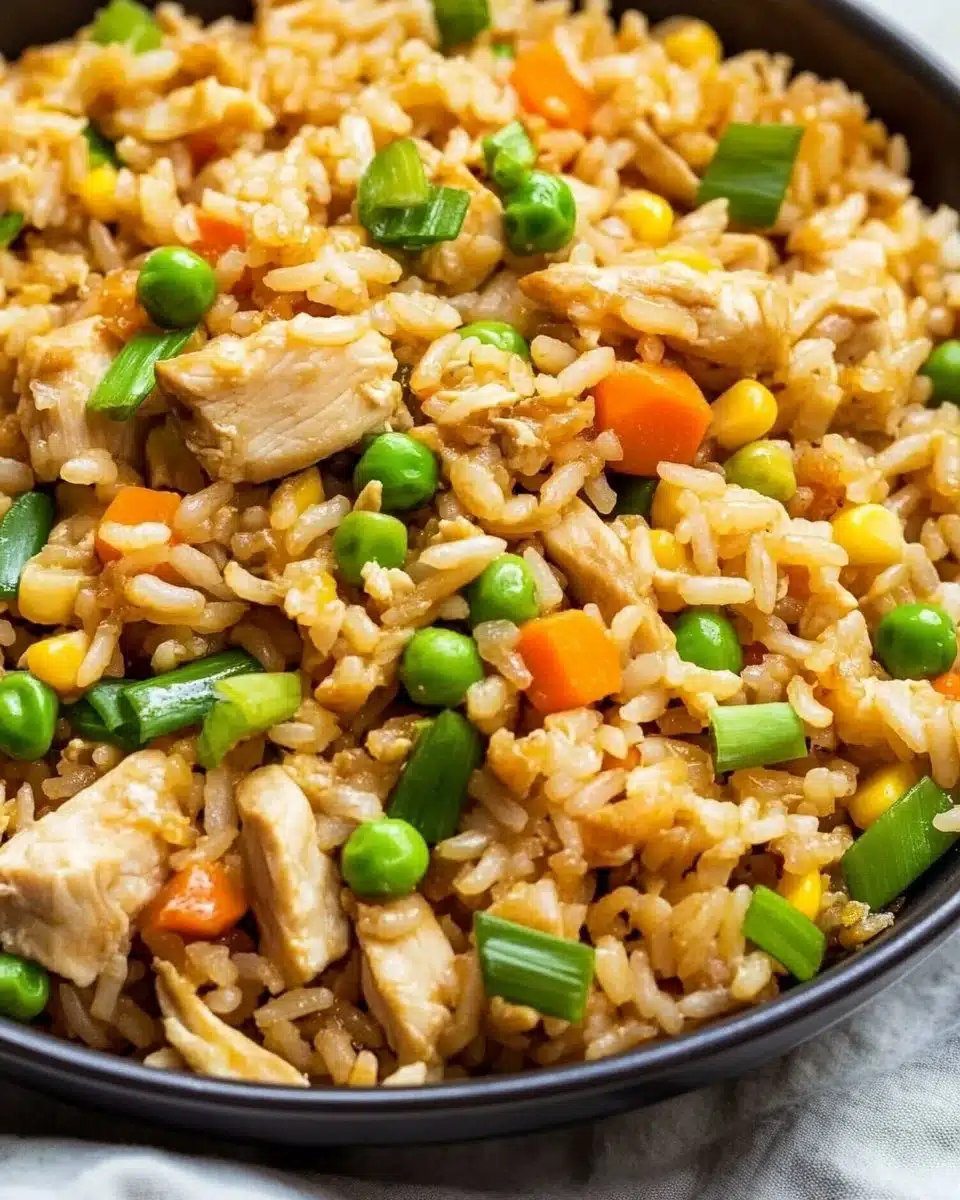
It matters because it is forgiving. Use leftover rice, toss in whatever veggies you have, and you still get bright color, pleasant texture, and a hug of flavor in every bite. The soy and sesame oil give the rice its signature savory warmth, while a little browning on the chicken and rice adds that restaurant feel without the fuss. It is perfect for busy weeknights when you want something special but not complicated.
What I love most is how the family gathers round. There is no formal plating. We stir as a team, pass bowls, and my son always insists on adding extra green onions. It is equal parts dinner and memory making.
How to Make Hibachi Chicken Fried Rice, The Heartwarming Way
“This is where the magic happens, when the aroma fills the kitchen and my kids come running in, asking ‘Is it ready yet?’”
Start with fully cooked rice that has had time to cool. Cold rice separates the grains and keeps the dish from turning mushy. The cooking is quick, so have everything chopped and ready. You will notice the rice take on a glossy sheen when the soy and sesame oil coat each grain, and the chicken will show a golden edge when it is done. Those visual cues tell you you are on the right track.
Step-by-step, focus on building layers of flavor. Brown the chicken well. Let the eggs set into soft ribbons. Give the rice space to toast a little in the pan. Those small moments are where the simple ingredients become something beautiful and comforting.
-
Heat the vegetable oil in a large skillet over medium-high heat.
Heat until the oil shimmers and is nearly smoking to get a good sear.
This quick heat is the secret to a little crispiness on the rice. -
Add the diced chicken and cook until browned and cooked through.
Stir so the chicken gets an even color but leave it long enough to brown.
A little golden crust makes the flavor pop. -
Push the chicken to one side of the skillet and pour the beaten eggs into the other side, scrambling them until fully cooked.
Break the eggs into soft curds and fold them into the chicken.
This creates pockets of fluffy egg through the rice. -
Add the cooked rice, mixed vegetables, and green onions to the skillet; stir well to combine.
Toss gently so the rice mixes without getting mushy.
The vegetables should stay bright and slightly firm. -
Pour in the soy sauce and sesame oil; stir to coat everything evenly.
Move quickly so the rice gets an even, glossy coating.
Taste as you go and adjust the balance. -
Season with salt and pepper to taste.
Remember soy adds saltiness so start light and build up.
A few grinds of black pepper adds warmth. -
Cook for an additional 2-3 minutes, stirring constantly, until heated through. Serve immediately.
Let everything sit off heat for a moment so flavors settle.
Serve family style and watch everyone smile.
Ingredients You’ll Need
- 2 cups cooked rice
- 1 pound chicken breast, diced
- 2 tablespoons vegetable oil
- 1 cup mixed vegetables (carrots, peas, corn)
- 3 green onions, sliced
- 2 eggs, beaten
- 3 tablespoons soy sauce
- 1 tablespoon sesame oil
- Salt and pepper to taste
A friendly note: Use day old rice if you can. If you must use freshly made rice, spread it on a tray to cool quickly so it does not clump. Don’t skip the green onions, they add a light brightness that lifts the whole dish. And remember, this is about creativity, not perfection. Use what you have in the fridge. Extra bell pepper? Toss it in. A handful of bean sprouts? Yes please.
Serving Hibachi Chicken Fried Rice with Love
We serve this in a big shallow bowl right in the center of the table and let everyone help themselves. I like to add a small dish of extra soy sauce for those who like things saltier and a bottle of chili sauce for the people who like it spicy. My daughter drizzles a little sesame oil on her own bowl, and my husband always sprinkles extra green onions. It makes the meal personal.
Side dishes I reach for are simple and family friendly. A light cucumber salad, steamed edamame, or even a quick miso soup feel like good companions. If you want to make it a spread, add a few dumplings or spring rolls and you have a hibachi night at home.
We also turn this into a fun family moment. My kids set the table, choose small bowls of toppings, and everyone gets to create their perfect plate. It is louder and messier than the restaurant, and far more meaningful.
Storage & Reheat Tips (Keeping the Goodness)
Store leftover Hibachi Chicken Fried Rice in an airtight container in the refrigerator for up to 3 days. If you freeze it, do so in individual portions and eat within a month for best texture.
For reheating, the pan is your friend. Heat a skillet over medium, add a splash of oil, and toss the rice until it is heated through and the grains separate. The oven works for larger portions—spread the rice in a shallow dish, cover, and bake at 350 degrees Fahrenheit until warmed through. The microwave works in a pinch; sprinkle a few drops of water on top and cover to create steam and keep it from drying out.
If you like to plan ahead, this dish pairs nicely with recipes that reheat well, like crockpot or casserole meals. For more ways to stretch chicken and rice across the week, try pairing flavors and techniques from dishes such as this cozy chicken and rice casserole to give yourself options that save time and keep meals interesting.
My Kitchen Notes & Shortcuts
- Prep the night before. Dice the chicken, slice the green onions, and beat the eggs into a covered container. It makes dinner assembly feel calm.
- Use a hot pan. A very hot skillet helps get that little toasty edge that makes this taste like it came from a hibachi grill.
- Swap freely. Leftover turkey, pork, or tofu all work beautifully if you are out of chicken.
- Let the kids help with simple tasks like cracking eggs or measuring soy sauce. It is a chance to teach and make dinner fun.
- Make extra rice and freeze in portions. It is a small step that makes weeknight cooking so much faster.
For more ideas on using rice and chicken in different comforting ways, I often look back at a few family favorites like a sweet potato rice bowl that transforms leftovers into a weeknight hit with a completely different personality. If you want to play with flavors, this creamy Cajun chicken and rice version is a great source of inspiration.
Family-Friendly Variations
- Lighter version: Use low-sodium soy sauce, reduce oil to one tablespoon, and load up on extra vegetables.
- Kid-friendly: Cut the chicken into tiny pieces and skip the sesame oil if your children are new to that flavor.
- Add a crunch: Sprinkle toasted sesame seeds or crushed roasted peanuts on top when serving.
- Make it spicy: Stir in a teaspoon of chili garlic sauce or top each bowl with a drizzle of sriracha.
- Make it vegetarian: Swap diced chicken for firm tofu and add extra mushrooms for umami depth.
Let this be a starting point. The best dishes have room for personal touches and family preferences. Encourage kids to suggest mix-ins, and you might discover a new family favorite.
FAQs About Hibachi Chicken Fried Rice
Can I make this ahead for a busy week?
Absolutely. In fact, letting it sit for an hour helps the flavors marry, just like an old family recipe. Store in airtight containers and it reheats well in a skillet.
What rice is best for this recipe?
Short if you like stickier rice, long grain if you prefer separated grains. Day old rice, chilled, gives the best texture for fried rice.
Can I use frozen vegetables?
Yes. Frozen mixed vegetables are a time saver. Add them straight from the freezer and cook a little longer to remove excess moisture.
How do I keep the rice from getting mushy?
Spread freshly cooked rice on a tray to cool, or use rice cooked a day before and stored in the fridge. Make sure your pan is hot so the rice gets a little toasty.
Is sesame oil necessary?
It gives that signature nutty finish. If you do not have it, use a tiny bit of toasted oil or leave it out and add a splash of extra soy for depth.
One Final Thought from My Kitchen
Before you close the pan and call everyone to the table, take a breath and taste one spoonful. Tweak salt, maybe a squeeze of lime if you want brightness, and know you made something that will bring your people together. This dish is forgiving, fast, and full of home.
Conclusion
If you want to explore more hibachi-style recipes for a slightly different take, I like the rich notes in this Hibachi-Style Fried Rice Recipe – Allrecipes for inspiration on technique and flavor. For another home-friendly version with lots of step-by-step guidance, see this Hibachi Chicken Fried Rice – Closet Cooking to compare ratios and tips.
Until next time, happy cooking and may your kitchen be full of good smells and loud laughter. Give this one a try. You might surprise yourself.
20. Chinese Chicken Fried Rice


A saucy, warm scent drifts through the house as my youngest drags the chair across the kitchen floor to sneak a peek. The rice sizzles and the garlic pops, and for a moment I am back in my grandmother’s small kitchen near the river, watching her fold little pieces of chicken into rice like she was tucking everyone in for dinner. This is the kind of comfort food that brings people together, and if you like easy weeknight wins, you might enjoy the same cozy habit we have of serving Chinese Chicken Fried Rice whenever life gets a little bit busy. If you want another simple family-friendly dinner for a weeknight rotation, try my take on chicken and rice casserole for a different kind of one-pan hug.
Why This Chinese Chicken Fried Rice Feels Like Home
There is something about the snap of vegetables, the slight chew of rice, and the warmth of seasoned chicken that reads like a memory on a plate. This Chinese Chicken Fried Rice is quick, forgiving, and full of familiar flavors. It is the dish I reach for on nights when I want dinner done in under 30 minutes and still feel like I made something special.

I love how the dish invites improvisation. Use leftover chicken or a rotisserie bird, toss in frozen peas if life is hectic, and finish with chopped scallions if you have them. It is the kind of meal that respects both time and flavor, and that balance is why we keep coming back to it.
How to Make Chinese Chicken Fried Rice, The Heartwarming Way
“This is where the magic happens—when the aroma fills the kitchen and my kids come running in, asking ‘Is it ready yet?’”
Start with cold, day-old rice if you can. It separates better and gives you that lovely individual grain texture rather than sticky clumps. The color should be golden from the soy, the chicken slightly caramelized, and the veg bright. When you see the rice gloss in the pan and the edges of the chicken pick up a little brown, you are right where you need to be.
Step-by-Step Overview: Keeping It Simple
This dish is about building layers of flavor quickly. First, aromatics go into the oil. Then eggs join to add richness. Chicken and veg follow to warm through and pick up color. Finally, rice and soy sauce bring everything together into the comforting, saucy finish we all love. Keep the pan hot and move fast. It is easier than it looks, and once you get the rhythm, you can make this with your eyes closed.
Ingredients You’ll Need
What goes into this recipe is simple and forgiving. Gather these items and remember: the recipe is a guide. Use what’s in your fridge, this is about creativity, not perfection.
2 cups cooked rice
1 cup cooked chicken, diced
2 eggs, beaten
1 cup peas
1 cup carrots, diced
2 cloves garlic, minced
2 shallots, chopped
2 tablespoons soy sauce
2 tablespoons vegetable oil
Salt and pepper to taste
Friendly note: don’t skip the fresh aromatics if you have them. Fresh garlic and shallots push this beyond ordinary, but frozen options will do in a pinch. If you prefer more color, add a handful of chopped bell pepper or a few scallions at the end.
Step-by-Step Directions
-
Heat the oil in a large skillet or wok over medium-high heat.
Keep the pan hot but not smoking; a well-heated pan gives you that quick sear that layers flavor. -
Add the garlic and shallots, and stir-fry until fragrant.
This takes about 30 seconds to a minute. Watch for color—don’t let them burn. -
Push the garlic and shallots to the side and pour in the beaten eggs. Scramble until cooked.
Soft curds are perfect. A little browning here builds flavor, just like grandma showed me. -
Add the diced chicken, peas, and carrots, and stir-fry for another 2-3 minutes.
Let the chicken warm through and get a little color. If using cold leftovers, give it a moment to pick up heat. -
Add the cooked rice and soy sauce. Stir everything together until well combined.
Break up any clumps with the back of your spatula. The soy should coat the grains evenly. -
Season with salt and pepper to taste.
Tasting is how you make it yours. Remember soy adds salt, so go gently at first. -
Cook for another 2-3 minutes until heated through.
You want the rice to be hot and a touch glossy from the oil and sauce. -
Serve hot.
Spoon onto plates and watch the family gather. Let the kids add the hot sauce if they like it spicy.
Quick encouragement: Give it a try—you might surprise yourself with how fast a complete, comforting meal appears. Let the kids stir this part if you like; they adore being part of the finish line.
Serving Chinese Chicken Fried Rice with Love
We set this dish out family-style in the middle of the table and let everyone help themselves. A big bowl of fried rice, a small dish of soy for extra salt, and a crunchy side of quick cucumber salad make for a balanced meal with minimal fuss.
I like to offer a few extra toppings: chopped scallions, a sprinkle of sesame seeds, and a squeeze of lime if someone wants a brightness. My husband prefers a little chili oil, while the kids always reach for the extra peas. Sharing it this way turns dinner into a small celebration, even on a weekday.
If you want another hearty comfort dish that travels well to the table, try my chicken and sweet potato rice bowl for a different weeknight favorite.
Storage & Reheat Tips (Keeping the Goodness)
Leftovers are a gift here. Store the fried rice in an airtight container and keep it in the refrigerator for up to 3 days. For longer storage, freeze portions in freezer-safe containers for up to one month.
To reheat, the stovetop is my favorite. Add a splash of oil and a teaspoon of water, and stir over medium heat until the rice loosens up and warms through. The microwave works fine for a quick lunch; cover loosely and heat in short bursts, stirring between intervals. If you want it to feel just-made again, toss it back in a hot skillet for a minute or two to crisp the edges.
If you like prepping ahead, cook extra rice and chicken on Sunday. You will thank yourself on a Wednesday when dinner comes together in minutes. For more make-ahead inspiration that saves time without losing soul, see my creamy chicken-and-rice ideas like creamy cajun chicken and rice bowls.
My Kitchen Notes & Shortcuts
What I have learned from making this dish again and again lives in small shortcuts and honest hacks. Here are a few of my favorites:
- Use day-old rice when you can. If you only have fresh rice, spread it on a tray and chill it for 15 minutes to dry slightly. It helps prevent clumps.
- Leftover chicken from another night is perfect. Rotisserie chicken is a real-time saver on busy evenings.
- Frozen peas are a dream. Add directly from the bag; they heat through quickly and bring a pop of color.
- Keep your pan hot and move fast. Good fried rice depends on heat and speed, not complicated steps.
- Let the kids help with the final toss. It is such a small thing that becomes a family memory.
If you want another cozy casserole to rotate into your week, my easy baked option chicken enchilada rice casserole is a hit with picky eaters.
Family-Friendly Variations
One of my favorite things about this recipe is how it welcomes change. Here are simple twists you can make without losing the dish’s soul:
- Vegetarian version: Skip the chicken and add tofu or extra veggies like broccoli and bell pepper.
- Kid-soft: Chop ingredients smaller and keep the seasoning mild so little mouths can enjoy it.
- Spicy kick: Stir in a teaspoon of Sriracha or a drizzle of chili oil for adults who like heat.
- Herby lift: Finish with cilantro and a squeeze of lime for a fresher profile.
- One-pan meal: Add chopped raw carrots and bell peppers in the beginning, and include thinly sliced chicken to cook through along with the aromatics.
If you are curious about how other cooks build quick rice dinners, my creamy smothered chicken base might spark ideas: creamy smothered chicken and rice.
FAQs About Chinese Chicken Fried Rice
Can I make this ahead for a busy week?
Absolutely. In fact, letting it sit for an hour helps flavors mingle. Store in the fridge for up to 3 days or freeze for longer.
What kind of rice is best?
Long-grain white rice or jasmine gives the best texture, but any cooked rice will do. Day-old rice is the secret to non-mushy grains.
How do I keep the rice from getting soggy?
Use chilled rice, a hot pan, and do not add too much soy sauce at once. Stir quickly and keep moving.
Can I use raw chicken in this recipe?
Yes. If using raw, add it earlier and cook it through until the pieces are no longer pink and have a little color. Thin strips work best.
Is this kid-friendly?
Very much so. Serve mild and offer condiments on the side. Let the kids add their own toppings at the table.
One Final Thought from My Kitchen
I hope this recipe brings a little ease and a lot of warmth to your week. Whether it becomes a quick Tuesday meal or a weekend comfort classic, dishes like Chinese Chicken Fried Rice do more than fill bellies. They create small rituals—adding eggs, stirring the pan, passing the bowl—that turn ordinary moments into family stories. Try it once and you might find yourself making it again and again, each time with a new memory tucked in.
Conclusion
If you want another quick, weeknight fried rice idea, I like this approachable version from Christie’s Quick & Easy Chinese Chicken Fried Rice for extra inspiration. For a different technique and flavor profile, the recipe at Omnivore’s Cookbook Chinese Chicken Fried Rice has thoughtful notes on rice texture and wok technique. Give both a look if you enjoy tinkering in the kitchen.
21. High Protein Chicken Fried Rice


I can still remember the clatter of plates as my kids ran to the table while a pan of sizzling rice and chicken filled the kitchen with warm, savory steam. That smell nudges everyone into the room, and for a moment the day’s to-dos melt away. If you love meals that are fast, filling, and full of flavor, this High Protein Chicken Fried Rice feels like an effortless win. If you enjoy swapping flavors, you might also like my take on High-Protein Creamy Cajun Chicken Rice, which is another family favorite for nights when we want big flavor and little fuss.
Why This High Protein Chicken Fried Rice Feels Like Home
This dish combines comfort and purpose. It gives you the plain-sense satisfaction of a spoonful that warms from the inside out, plus the smart nutrition of higher protein so you and your family stay full longer.
It works because it is quick, uses a few dishes, and comes together mostly in one pan. Once you get the rhythm of hot oil, crisp vegetables, and a little toasty rice, it feels kind of magical. Meanwhile, the chicken gives the dish a hearty backbone so it doubles as both dinner and tomorrow’s lunch.
Give it a try—you’ll find it comforts like a classic takeout order, but it arrives home faster and with better ingredients. If you want a different handheld meal for busy afternoons, check out this creative High Protein Chicken Crunch Wrap Supreme we make on chaotic nights.

Why High Protein Chicken Fried Rice is Our New Family Favorite
My family started calling this "the everything bowl" because it uses whatever is on hand, and everyone can add a little twist on their plate. The protein keeps energy high, which matters for after-school activities or late-night reading marathons.
This recipe is forgiving. Use leftover rice and chicken, toss in frozen veggies, and the whole thing transforms into something special in under 20 minutes. The flavors are familiar enough for picky eaters, but bold enough to win over adults who want a little more depth to dinner.
If you are short on time but still want a meal that feels intentional, this fried rice is your friend. It’s also a great way to stretch a cooked chicken breast into several meals across the week.
The Simple Magic Behind High Protein Chicken Fried Rice
This recipe relies on three flavor pillars: savory soy, toasty sesame oil, and the natural sweetness of cooked vegetables. The texture balance matters too: tender chicken, slightly crisp vegetables, and rice that has a little chew but not mush.
Tip from my kitchen: chilled, day-old rice sears better and resists clumping. If your rice is fresh, spread it out on a tray and cool it for 20–30 minutes before using. Then cook hot and fast, keeping movement constant so things brown a little without drying out.
How to Make High Protein Chicken Fried Rice, The Heartwarming Way
Step-by-Step Overview: Keeping It Simple
This comes together in a hot pan with a little sesame oil, a quick scramble, and a short stir-fry. Expect color to change as ingredients meet heat: vibrant vegetables, golden eggs, and rice picking up toasty brown bits. Those brown bits are the flavor gold you want.
“This is where the magic happens—when the aroma fills the kitchen and my kids come running in, asking ‘Is it ready yet?’”
Next up, you’ll push things to the side, make room for eggs, then fold everything together. The whole time, taste for salt and brightness. Green onions are the final friendly flourish.
If you like a lighter pairing with this dish, consider serving it alongside a fresh High Protein Cottage Cheese Chicken Salad for a cool contrast.
Ingredients You’ll Need
2 cups cooked brown rice
1 cup cooked chicken breast, diced
1 cup mixed vegetables (peas, carrots, bell peppers)
2 large eggs
3 tablespoons soy sauce
2 green onions, chopped
1 tablespoon sesame oil
Salt and pepper to taste
Friendly note: don’t skip the green onions; they lift the whole dish. Use what’s in your fridge—if you have corn, snap peas, or leftover roasted peppers, toss them in. This is about creativity, not perfection.
Preparing High Protein Chicken Fried Rice Without the Stress
Here’s the practical part. Gather all your ingredients and have them ready to go. Fried rice moves fast and you want everything within reach. If you are prepping for the week, cook rice and chicken in advance and store them chilled. That makes weekday assembly a breeze.
Keep your pan hot but not smoking. A small patina of browning adds flavor, and the sesame oil finishes the dish with a warm, nutty note. Use a sturdy spatula or wooden spoon and stir with confidence. It’s easier than it looks, and your family will appreciate it.
Step-by-Step Directions
-
In a large skillet or wok, heat the sesame oil over medium heat.
Let the oil shimmer slightly; this warms the pan evenly and helps prevent sticking. A little browning here builds flavor, just like grandma showed me. -
Add the mixed vegetables and cook for 3-4 minutes until tender.
Keep them moving so they soften without getting mushy. If using frozen veggies, cook a minute longer. -
Push the vegetables to the side and add the eggs, scrambling them until fully cooked.
Scramble quickly so eggs stay tender. Let the kids stir this part—it’s the fun bit and they love watching it come together. -
Stir in the cooked chicken and brown rice, mixing well.
Break up any rice clumps with the back of your spoon and let the rice hit the pan to get a little toasty color. -
Pour in the soy sauce and continue to stir-fry for an additional 2-3 minutes.
Taste and adjust. A splash more soy will deepen the savory notes, while a pinch of pepper adds warmth. -
Add chopped green onions, season with salt and pepper, and serve warm.
Finish with green onions for brightness. Serve right away while it’s steamy and fragrant.
Each step is a chance to make the dish your own. If you like nuttier flavor, add a sprinkle of toasted sesame seeds at the end. If your family likes heat, a little Sriracha or red pepper flakes brings a pleasant kick.
Serving High Protein Chicken Fried Rice with Love
When it’s time to serve, I bring the skillet to the center of the table and let everyone help themselves. That small routine invites conversation and makes dinner feel less formal and more communal.
We often pair it with a simple cucumber salad or soy-sesame glazed green beans for crunch. Some of my family members like an extra drizzle of soy or a little hoisin on the side, and my youngest always asks for a squeeze of lime. These small choices let everyone make the dish theirs.
If you want to keep dinner light, a bright citrusy salad works well. For heartier appetites, a side of steamed edamame or a bowl of miso soup fills things out nicely. Serving family-style is my favorite—food tastes better when passed around with a smile.
Storage & Reheat Tips (Keeping the Goodness)
Store leftovers in an airtight container in the refrigerator for up to 3 days. The protein and rice keep well, and the flavors often mellow in a pleasant way.
For reheating, the microwave is fine for a quick lunch—add a splash of water or a few drops of oil to revive the rice. For the best texture, reheat in a skillet over medium heat, stirring often until everything is hot and the rice regains some of its original toast.
If you want to freeze portions, cool completely and freeze in single-serve containers for up to 2 months. Defrost overnight in the fridge before reheating. The flavors hold up nicely, though fresh green onions are best added after reheating.
My Kitchen Notes & Shortcuts
- Use leftover rotisserie chicken to save time. It gives great flavor and you can shred or dice it quickly.
- Cook rice ahead and chill it. Day-old rice fries up with better texture and less clumping.
- Frozen mixed vegetables are a lifesaver and cook fast. Keep a bag in the freezer for back-pocket dinners.
- Make it a meal prep staple: pack into lunch containers with a side salad for the week. For snack ideas to pair with this meal, I often grab a recipe from my list of 20 High Protein Snack Recipes That’ll Keep You Full.
- Let the kids help with stirring, measuring, and picking the toppings. It’s simple kitchen time that becomes family memory.
These are habits I picked up after many dinners that felt rushed. Now they save time and give me space to enjoy the meal with my family.
Family-Friendly Variations
This recipe invites creativity. Here are a few ways we change it up to keep it interesting:
- Lighter version: swap brown rice for cauliflower rice and use low-sodium soy sauce.
- Kid-friendly: leave the veggies finely chopped or hidden in the rice if your kids are picky. Add a bit of mild cheese on top for a familiar comfort twist.
- Boosted protein: fold in edamame or top with extra diced chicken or a fried egg.
- Flavor swap: try a splash of oyster sauce or a teaspoon of toasted sesame paste for depth.
- Vegetarian swap: replace chicken with firm tofu cubes, browned in the pan first.
Play with these ideas and you’ll quickly find a family favorite. This is your canvas—add colors that reflect your family’s tastes.
FAQs About High Protein Chicken Fried Rice
Can I make this ahead for a busy week?
Absolutely. Cook rice and chicken ahead and store them separately. Assemble the fried rice fresh or reheat in a pan; it’s easier than it looks and tastes great.
How do I keep the rice from getting soggy?
Use chilled or day-old rice. If you must use fresh rice, spread it on a sheet pan and let it cool to remove surface steam before stir-frying.
Can I use different vegetables?
Yes. Swap in whatever you have—snap peas, corn, broccoli florets, or even thinly sliced zucchini. The key is to keep pieces similar in size for even cooking.
Is this safe for kids to eat?
Yes, when you use cooked chicken and ensure eggs are fully set. Cut ingredients into bite-sized pieces for little hands and adjust salt for younger eaters.
What’s the easiest way to add more flavor?
A little extra soy sauce, a squeeze of lime, or a sprinkle of toasted sesame seeds at the end brightens everything. Fresh herbs like cilantro or basil also add a lovely lift.
One Final Thought from My Kitchen
I hope this High Protein Chicken Fried Rice becomes one of those go-to meals you reach for when time is short and hearts are hungry. It’s easy to make, stores well, and invites a thousand little variations that let your family’s personality shine through.
If this dish brings your family a few extra minutes around the table, some laughter, or a quiet happy sigh after a big day, then my kitchen is smiling right along with yours.
Conclusion
If you enjoy leaning into the takeout-style comfort of fried rice, this version keeps things wholesome and protein-rich while still feeling indulgent. For inspiration on a classic takeout approach, this guide to Chicken Fried Rice (Better Than Takeout!) is a lovely reference. And if you want a lighter, nutrition-focused take to compare notes, this HEALTHY CHICKEN FRIED RICE post has smart swaps worth trying.
22. Hibachi Chicken Dinner
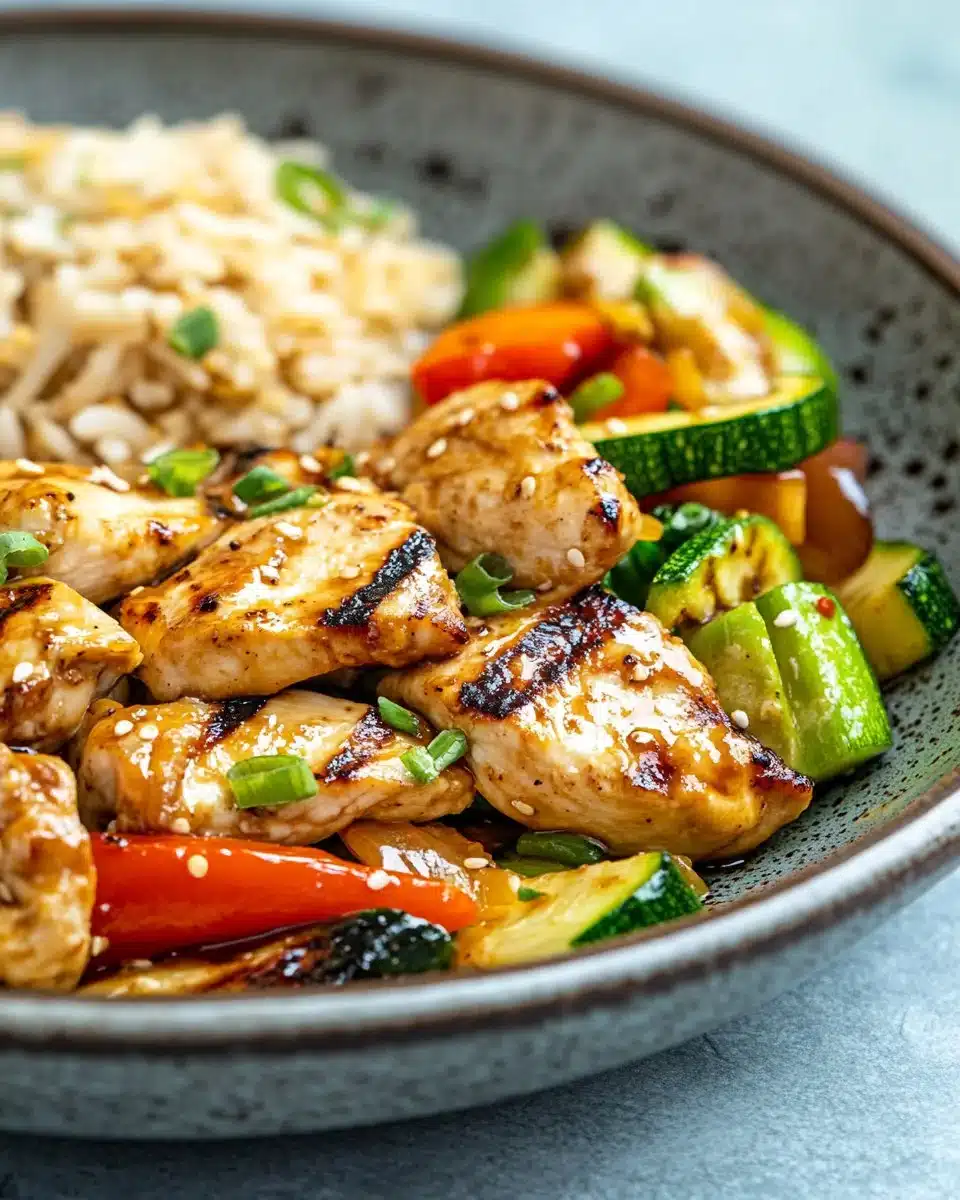

The smell of garlic and ginger warming in the pan makes my kitchen feel like a small, cozy theater. My kids are setting the table and laughing about who gets the corner plate while the sizzle from the skillet promises something comforting and bright. It is a simple moment, the kind that anchors a busy week and reminds me why I cook: to gather, to soothe, and to make something everyone can dig into and smile about. If you like the idea of backyard grill nights but need it on the stove in under an hour, this Hibachi Chicken Dinner will feel like exactly the kind of comfort your family will ask for again and again. For a little inspiration on hibachi-style cooking at home, I sometimes glance at Blackstone hibachi chicken tips for ideas that adapt well to a regular skillet.
Why This Hibachi Chicken Dinner Feels Like Home
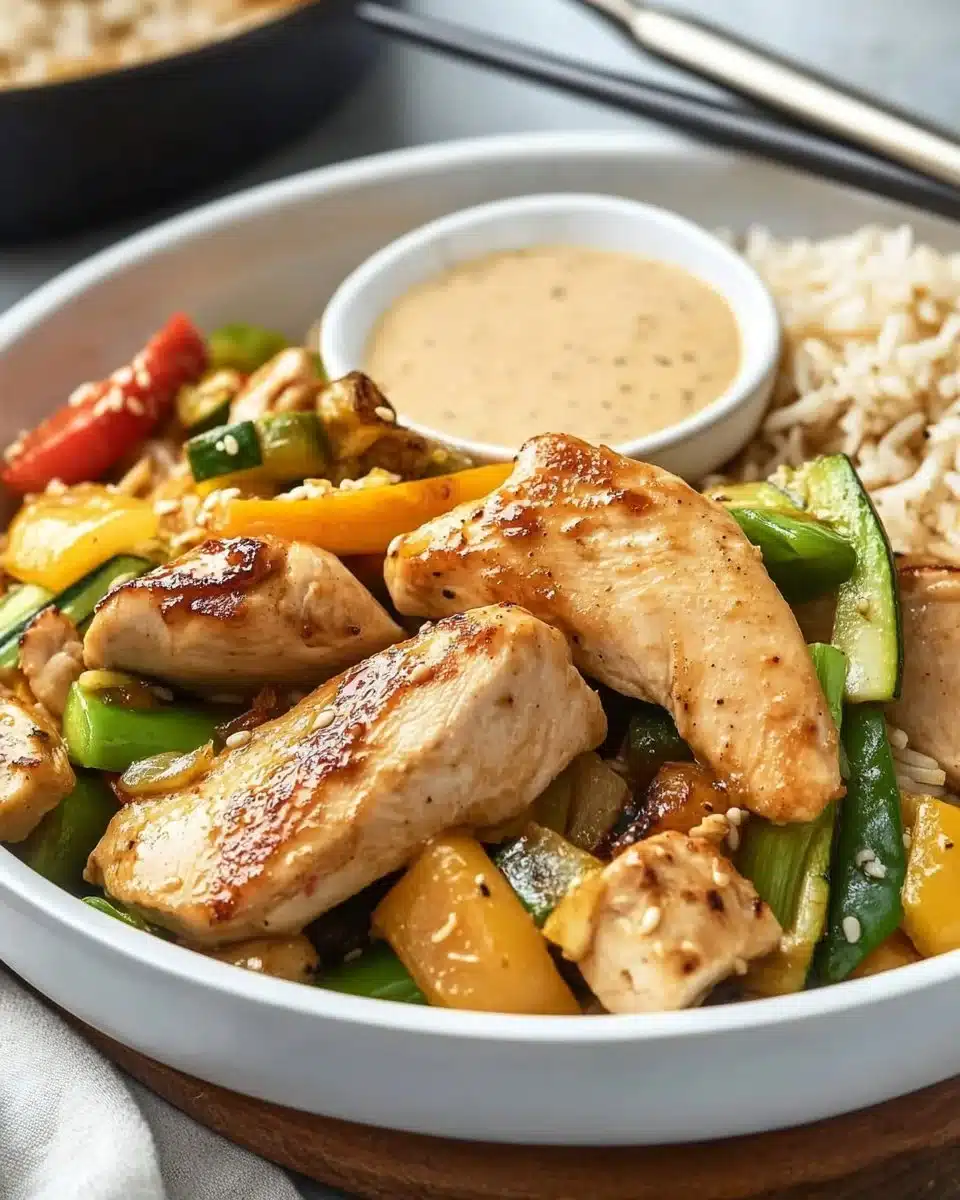
This Hibachi Chicken Dinner is all about warm, familiar flavors that still feel a bit special. The soy and ginger marinade gives the chicken a deep, savory note while the quick sauté of vibrant vegetables keeps things bright and fresh. It comes together quickly, uses one main pan for cooking, and leaves room for the family to customize their plates. That balance of easy and thoughtful is why it often becomes our surprise favorite on busy weeknights.
What matters most is the feeling. This meal tastes like a little time carved out of the day to be together. It is a recipe I reach for when I want fewer dishes to wash and a bigger share of the joy at the table.
Why Hibachi Chicken Dinner is Our New Family Favorite
There are nights when everyone wants something different. This recipe solves that. Tender chicken, a mix of colorful vegetables, and fried rice that can be made kid-friendly or bold with a little extra garlic and soy. It is forgiving, adaptable, and quick. The technique of letting the chicken brown well and resting it before serving makes all the difference in texture and flavor. Meanwhile, the quick stir-fry of vegetables keeps them crisp-tender, which I know my kids prefer.
This dish also plays nicely with leftovers and creative twists. If you like richer, creamy comforts some nights, try pairing it with a different dinner from my weeknight rotation like smothered chicken and rice. It is a different mood, same kind of family-friendly heart.
The Simple Magic Behind Hibachi Chicken Dinner
What makes this hibachi-style chicken special is technique, not fuss. A quick marinade, a hot pan, and a bit of patience for that golden crust. You will see the color change in the chicken, smell the aromatics come alive, and watch the rice pick up those savory pan flavors. That is where the magic lives.
“This is where the magic happens—when the aroma fills the kitchen and my kids come running in, asking ‘Is it ready yet?’”
Next up I will walk you through the ingredients and the straightforward steps. You will notice texture cues like a slight golden char on the chicken and glossy, translucent onions that tell you you are on the right track.
How to Make Hibachi Chicken Dinner, The Heartwarming Way
Here is a quick overview so you see the whole plan before you start. First, you marinate the chicken so it gets that gentle, savory backbone. From there, you give the chicken a good sear in a hot pan until golden. Once the chicken is set aside, you toss in the vegetables until tender with a little bite left. Then you bring the fried rice back into the pan to soak up any leftover flavors. Finally, plate everything family-style and let everyone add a little spicy mustard or extra soy if they like.
The texture you want: golden-brown chicken on the outside, juicy inside. Vegetables should be bright with a slight snap. Rice should be separate-grained and warmed through. If anything looks a little dull, a splash of soy or a squeeze of citrus will wake it right up.
Ingredients You’ll Need
- chicken breasts
- bell peppers
- zucchini
- onion
- soy sauce
- ginger
- garlic
- vegetable oil
- fried rice
- spicy mustard
- salt
- pepper
Friendly note: don’t skip the fresh garlic and ginger. They are the soul of the dish. Use what’s in your fridge when you can; this recipe loves improvisation. If you are in a hurry, frozen pre-cut vegetables work fine here too. If you prefer richer flavors, add a small knob of butter to the vegetables at the end.
I like to keep a jar of pre-grated ginger for busy nights, and it saves minutes when the family is already hungry. If you want a creamier side for someone at the table, consider serving it alongside a simple comfort like creamy garlic parmesan chicken pasta on an occasional weekend.
Step-by-Step Directions
-
Marinate the chicken with soy sauce, ginger, garlic, salt, and pepper for at least 30 minutes.
- Pat the chicken dry before the pan to get a better sear.
- Even a 30-minute soak adds flavor; overnight is fine if you plan ahead.
-
Heat oil in a pan over medium-high heat and cook the chicken until golden and cooked through.
- Let it sit without moving for a few minutes to develop that golden crust.
- Cook until the internal temperature reaches 165 F for safety and juiciness.
-
Remove chicken and sauté the vegetables until tender.
- Start with onions so they soften; add peppers and zucchini after to keep them crisp.
- A pinch of salt helps the vegetables release their juices and brown nicely.
-
In the same pan, add precooked rice and stir-fry until heated through.
- Use day-old rice if you can; it fries better and stays separate.
- Toss everything until the rice is glossy and has picked up a little pan color.
-
Serve the chicken with sautéed veggies, fried rice, and a side of spicy mustard dipping sauce.
- Slice the chicken and arrange it over the rice and vegetables for an inviting family-style spread.
- Let people add spicy mustard or extra soy to taste; it keeps everyone happy.
A quick tip from my kitchen: a little browning here builds flavor, just like grandma showed me. Let the kids stir the rice if they are helping; it is the fun bit and they love feeling useful.
Serving Hibachi Chicken Dinner with Love
I serve this dish family-style in the middle of the table. The pan of fried rice goes down first, then the vegetables, and the sliced chicken on top. Bowls of spicy mustard, extra soy, and maybe a small dish of toasted sesame seeds let everyone customize. My youngest likes extra soy and cucumber slices on the side, while my teen prefers more rice and a splash of hot sauce.
At our table, sharing is part of the meal. I encourage everyone to take turns dishing for the family. It makes dinner feel relaxed and connected. Sometimes we add a simple green salad or steamed broccoli to make it a fuller plate. If you want to make it feel more festive, a wedge of lemon on the side brightens everything.
Storage & Reheat Tips (Keeping the Goodness)
Store leftovers in an airtight container in the fridge for up to 3 days. If you plan to freeze, keep the chicken separate from the rice and veggies and freeze for up to 2 months. Thaw overnight in the fridge before reheating for the best texture.
For reheating, the oven or stovetop brings back more of the just-made texture. Reheat rice and veggies in a skillet with a splash of water or oil over medium heat until hot. Add the sliced chicken at the end just to warm through so it stays juicy. The microwave is fine for a quick lunch, but the skillet helps the rice regain a bit of its original texture.
If the rice seems dry after reheating, stir in a little soy sauce or a drizzle of sesame oil. These small additions restore both moisture and flavor.
My Kitchen Notes & Shortcuts
- Prep ahead: Chop vegetables and make the marinade the night before to shorten dinner time.
- Use day-old rice: It fries up with better separation and texture.
- Kid helper tasks: Let children measure spices or fluff the rice; it makes them feel involved.
- One-pan swap: If you need an even easier clean-up, cook the rice separately and reheat it in the pan just before serving.
- Quick protein switch: Use thighs instead of breasts for more forgiving meat that resists drying out.
If you are curious about other weeknight time-saving ideas, I often pull tips from roundups like air fryer dinners for busy weeknights when planning a run of simple meals.
Family-Friendly Variations
- Lighter version: Use low-sodium soy and more vegetables to stretch the meal.
- Kid-friendly mild: Skip the spicy mustard and offer a side of ketchup or teriyaki for little ones.
- Protein swaps: Try thinly sliced beef or tofu for a vegetarian-friendly option.
- Vegetables you can add: Snow peas, mushrooms, or baby corn fit right in.
- Plant-based twist: Swap chicken for marinated tofu and use vegetable fried rice for a fully vegan plate. For more plant-forward inspiration, see ideas like plant-based dinners in under 30 minutes.
Give it a try and then make it your own. My family started with the classic and now we sometimes add a crunchy chopped green onion garnish or a drizzle of spicy mayo. It is fun to let everyone have a favorite tweak.
FAQs About Hibachi Chicken Dinner
Can I make this ahead for a busy week?
Absolutely! In fact, letting it sit for an hour lets the flavors get to know each other, just like an old family recipe. Store the marinated chicken in the fridge and cook within 24 hours for best texture.
How do I keep the chicken from drying out?
Pat the chicken dry before cooking, use medium-high heat to seal in juices, and avoid overcooking. Remove from the pan as soon as it hits 165 F and let it rest a few minutes before slicing.
Can I use frozen rice?
Yes, but thaw it first and spread it out to remove clumps. Day-old refrigerated rice is ideal because it fries up with better texture.
What is a good dipping sauce if I do not like spicy mustard?
Mix equal parts soy sauce and rice vinegar with a touch of honey and minced garlic. It is simple, balanced, and the kids often prefer it.
Is this safe for picky eaters?
Yes. Keep the components separate on the plate, let picky eaters choose their favorites, and offer simple sides like cucumber or steamed carrots.
One Final Thought from My Kitchen
Until next time, happy cooking. This Hibachi Chicken Dinner is one of those recipes that gives you the flavors of a special night and the ease of a weeknight meal. I hope it brings a little extra warmth to your kitchen and a few more shared moments at the table. Give it a try, you might surprise yourself with how often it becomes a family staple.
Conclusion
If you want another hibachi-style perspective, I like the approach shown in Hibachi Chicken – The Cooking Jar for inspiration on seasoning and technique. For a copycat take on restaurant-style hibachi, this version from Perfect Hibachi Chicken {Benihana Copycat} – The Girl on Bloor has some helpful tweaks you may enjoy.
23. Teriyaki Chicken Rice Bowl
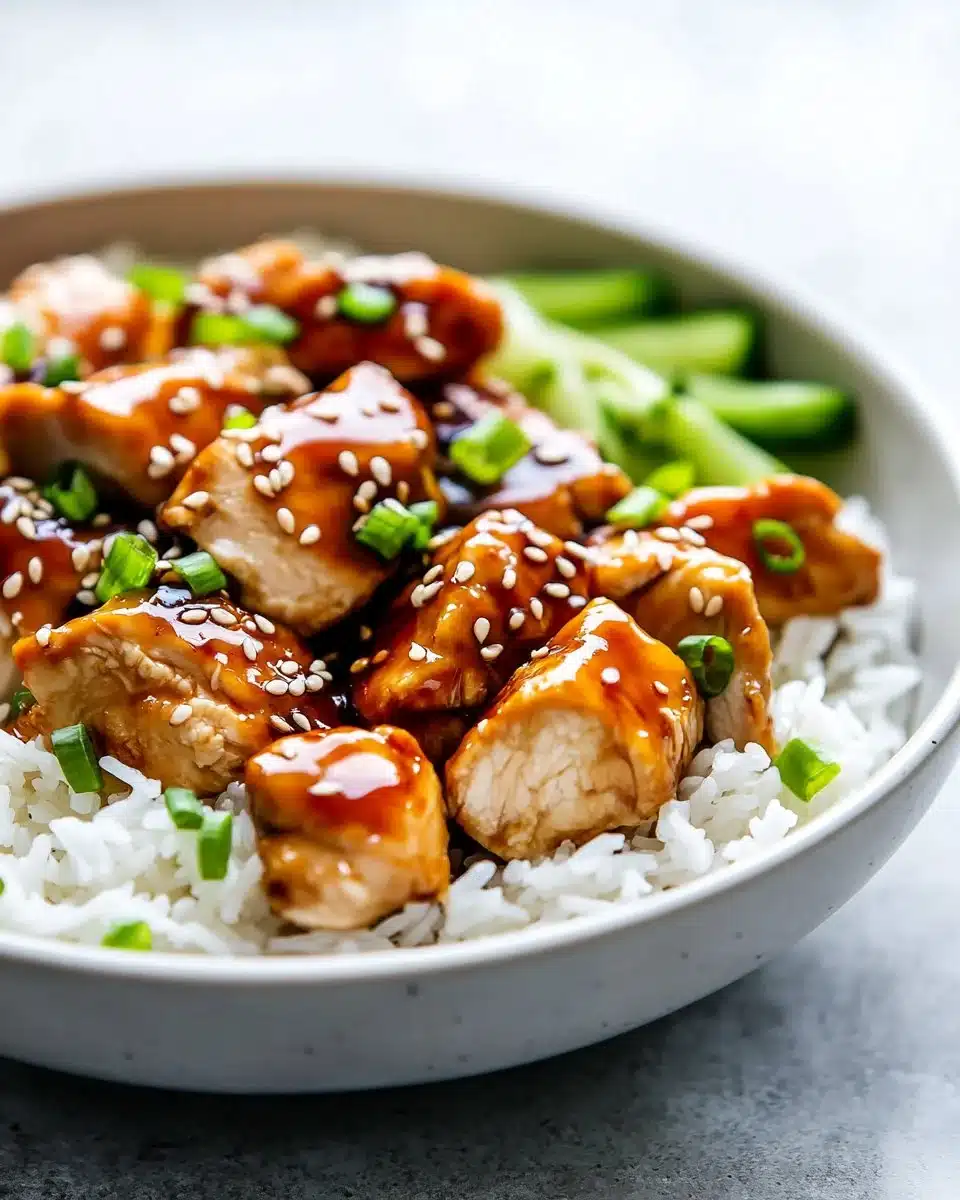

The sound of wooden spoons tapping a bowl, my little one humming under their breath as they set napkins in a crooked stack, and the warm, sticky smell of soy and brown sugar lifting from the pan — that is the exact moment I know dinner is going to be a success. Tonight it will be a Teriyaki Chicken Rice Bowl, the kind of meal that draws everyone from the corners of the house and makes small talk feel like a celebration. If you want a dinner that lands on the table quickly, tastes like a cozy hug, and leaves room for laughter, you are in the right place. For a slightly different rice bowl idea I sometimes pair with this, I like the flavors from a chicken and sweet potato rice bowl, especially when I want something a little sweeter for the kids.
Why This Teriyaki Chicken Rice Bowl Feels Like Home
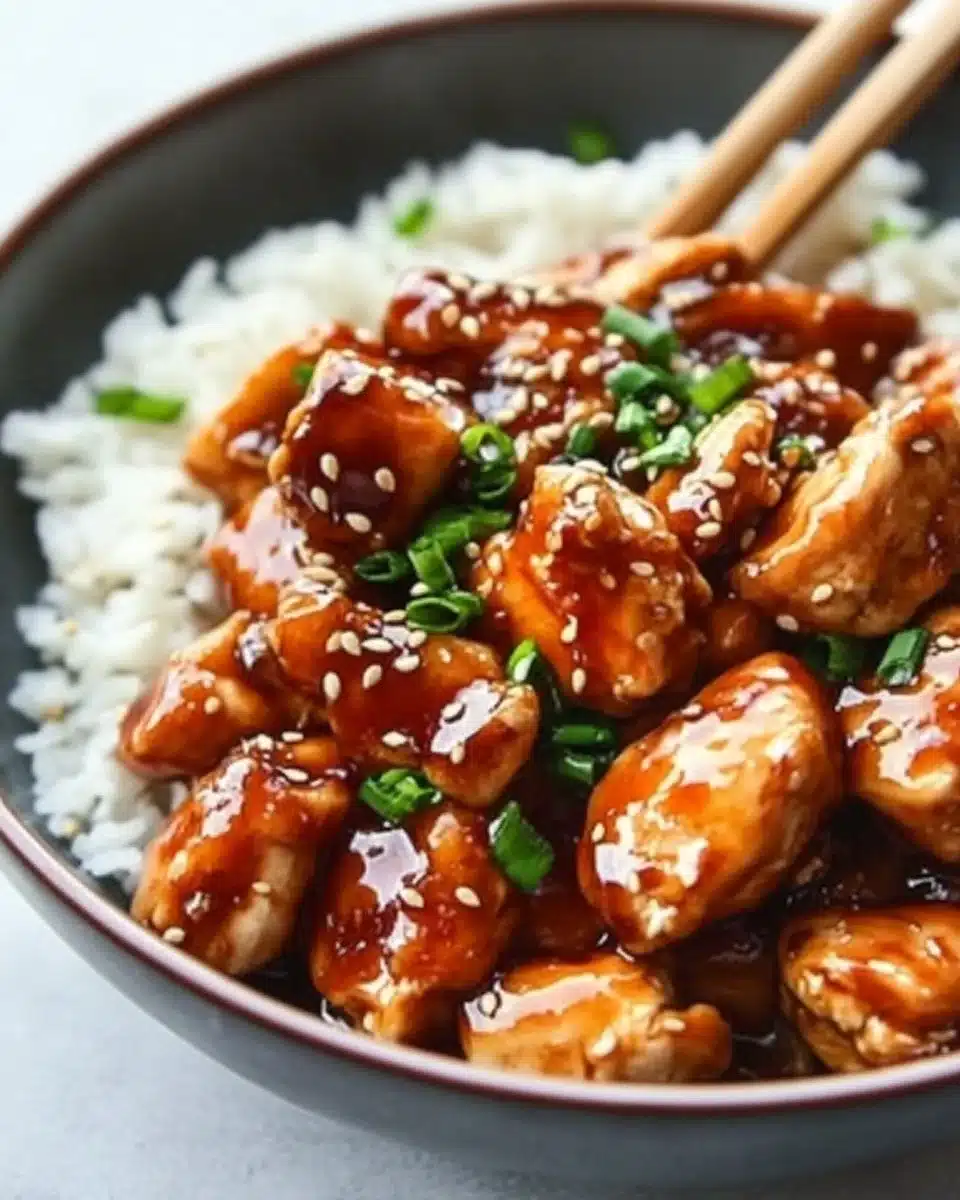
This recipe is simple, dependable, and full of the little details that make weeknight meals memorable. It comes together in one skillet, which means fewer dishes and more time to talk about school projects, work wins, or the latest silly family story.
The sauce is glossy and sweet with a gentle saltiness that makes rice and vegetables sing. The chicken cooks quickly and stays tender if you give it a good sear at the start. It’s one of those dishes that tastes like takeout but takes far less planning and always feels like it was made with care.
For a creamier swing on rice bowls some nights, we turn to a creamy cajun chicken and rice bowls recipe, but the teriyaki keeps the mood light and familiar.
How to Make Teriyaki Chicken Rice Bowl, The Heartwarming Way
“This is where the magic happens—when the aroma fills the kitchen and my kids come running in, asking ‘Is it ready yet?’”
Start by thinking about texture. You want a nice little brown crust on the chicken for flavor and color. The sauce should cling to the chicken and shimmer with a slightly thick texture. When you spoon it over steaming rice and bright green vegetables, you should see glossy sauce, flecks of sesame, and a few bright scallions. Those are your visual cues that you did it right.
Meanwhile, prep your rice so it’s hot and fluffy when the chicken finishes. If you cook rice ahead, reheat it with a sprinkle of water for steam. If you like a little toasted sesame crunch, give your sesame seeds a quick toast in a dry pan before sprinkling them on top.
Ingredients You’ll Need
4 boneless skinless chicken breasts, cubed
1 Tbsp. olive oil
1/2 cup low sodium soy sauce
1/2 cup water
3 Tbsp. packed light brown sugar
2 Tbsp. rice vinegar
1/2 tsp. sesame oil (optional)
1 tsp. ground ginger
2 tsp. minced garlic
2 Tbsp. honey
3 tsp. cornstarch
Sesame seeds and chopped green onions for garnish
Rice for serving
Steamed veggies for serving
Friendly note: don’t skip the sesame and green onion; they add brightness and a little crunch. Use what’s in your fridge for the veggies — broccoli, snap peas, or thin-sliced carrots all work beautifully. If you want to try a lighter twist, check my go-to healthy chicken sweet potato rice bowl ideas for swapping sides and keeping everything fresh.
Step-by-Step Directions
-
Heat oil in a large skillet on medium high heat.
Let the pan get hot before the chicken goes in; a warm pan helps create flavor.
A little browning here builds flavor, just like grandma taught me. -
Add cubed chicken and brown chicken until cooked through and it is no longer pink.
Don’t crowd the pan — do this in batches if needed so pieces brown instead of steam.
Use a spatula to turn pieces so all sides get a touch of color. -
While chicken is browning, prepare your teriyaki sauce! In a medium size mixing bowl whisk together soy sauce, water, honey, brown sugar, rice vinegar, sesame oil, ginger, garlic, and cornstarch.
Whisk until cornstarch dissolves and the sugar has blended in.
Taste a tiny bit before adding if you prefer less sweet. -
Once chicken is browned and cooked through, add your homemade teriyaki sauce to your skillet and continue to cook stirring until the sauce has thickened.
It should go from watery to glossy and cling to the chicken in about 2 to 4 minutes.
Lower the heat if the sauce bubbles too hard; you want a gentle simmer so it thickens smoothly. -
Serve immediately with white or brown rice and vegetables of your choice. Garnish with sesame seeds and green onion.
Spoon sauce over rice so every bite gets a bit of that glossy flavor.
Let the kids add their own garnish — they love sprinkling the sesame.
Quick tip: If your sauce gets too thick, splash a teaspoon of water and stir to loosen it. If it is too thin, mix an extra half teaspoon of cornstarch with cold water and stir in until it reaches the shine you like.
Serving Teriyaki Chicken Rice Bowl with Love
I serve this family-style in the middle of the table with the rice in a large bowl and the chicken in the skillet or a serving dish. Steamed vegetables sit alongside in another bowl, and a small dish of extra sauce is there for the sauce-lovers. Everyone helps themselves, adds their favorite topping, and we pass bowls around like sharing stories.
My husband always adds a few extra green onions, our eldest sprinkles on sesame seeds like confetti, and the smallest asks for just a little extra sauce. If you want to make it feel extra special, set out chopsticks and let the kids choose whether they want chopsticks or forks. For a slightly stickier version my kids love, I pair this with other sticky favorites like our sticky chicken rice bowls on nights when we need something truly indulgent.
Storage & Reheat Tips (Keeping the Goodness)
Store cooled chicken and sauce in an airtight container in the fridge for up to 3 days. Rice also keeps well for about 3 to 4 days if wrapped tightly.
To reheat on the stovetop: add the chicken and sauce to a skillet and warm gently over medium-low heat. Add a splash of water or broth if it looks dry and cover for a minute to wake up the rice’s steam.
To reheat in the oven: place chicken and rice in an oven-safe dish, sprinkle a tablespoon of water over the rice, cover with foil, and bake at 325 F until hot, about 10 to 12 minutes.
Microwave for a quick lunch: place chicken and rice in a microwave-safe bowl, add a teaspoon or two of water, cover with a damp paper towel, and heat in 60-second bursts until hot. The microwave is fine for a quick bite, but the oven or stovetop brings back more of the just-made texture.
If you plan to meal prep, keep sauce and rice in separate containers so the rice does not soak up all the liquid and become gummy.
My Kitchen Notes & Shortcuts
- Use boneless skinless chicken thighs if you prefer juicier meat; reduce cooking time slightly because thighs brown faster.
- Make the sauce ahead and store it in the fridge. Reheat and add to cooked chicken for a no-fuss dinner.
- Swap brown sugar for maple syrup for a deeper flavor, or use low-sodium soy and a touch more honey if you want milder salt.
- Let the kids help whisk together the sauce — it’s an easy, safe step that gets them excited to eat.
- For a fast weeknight shortcut, use pre-cooked rotisserie chicken warmed in the sauce; it shaves off valuable time without losing comfort.
If you like bold flavors, try a pinch of chili flakes or a drizzle of sriracha for heat. For a citrus lift, a small squeeze of orange just before serving brightens the whole bowl. Try one of my playful twists inspired by the bang bang chicken bowl when you want to surprise the family.
Family-Friendly Variations
Make it kid-friendly: reduce the ginger and garlic slightly, and serve sauce on the side so picky eaters can control how much they get.
Make it lighter: swap honey and brown sugar for a smaller amount of maple syrup and add extra rice vinegar for brightness.
Vegetarian option: use cubed firm tofu, pressed and pan-fried until golden, then toss with the teriyaki sauce. It soaks up the flavor beautifully.
Make it meal-prep friendly: layer rice, veggies, and chicken in containers and store sauce separately. Reheat in the microwave and mix before eating for fresher textures.
Add crunch: toasted cashews or roasted sesame seeds add a lovely texture contrast and make the bowl feel more complete.
FAQs About Teriyaki Chicken Rice Bowl
Can I make this ahead for a busy week?
Absolutely. The sauce actually deepens in flavor if left a few hours. Store components separately for the best texture, then reheat and assemble when you are ready.
Can I freeze leftovers?
You can freeze the chicken and sauce, but rice can change texture when frozen. If you freeze, opt to freeze only the chicken and sauce; rice is easiest to make fresh or refrigerate for a few days.
How do I get the sauce glossy and not grainy?
Whisk the cornstarch with cold water before adding to hot liquids and simmer gently after adding. If it boils too hard it can lose gloss. A gentle simmer for 2-4 minutes gives you that shiny finish.
Is there a gluten-free option?
Yes. Use tamari or a gluten-free soy sauce substitute and ensure your rice vinegar and any pre-made ingredients are labeled gluten-free.
How long should I marinate the chicken?
This recipe does not require a long marinade. A quick 15 to 30 minute rest in a little soy and garlic can add depth, but the skillet sear plus the sauce does most of the flavor work.
One Final Thought from My Kitchen
This Teriyaki Chicken Rice Bowl is one of those recipes I come back to time and again because it balances comfort and speed without sacrificing joy. It helped us through late practices, early school mornings, and slow Sunday nights. If you let the kids help with small tasks, the meal becomes more than dinner — it becomes a memory. Give it a try; you might surprise yourself with how quickly it becomes a new family favorite.
Conclusion
If you want another take on teriyaki with a detailed how-to and helpful photos, I like Modern Meal Makeover’s teriyaki chicken guide for inspiration and technique. For an easy-to-follow bowl recipe that leans into the takeout feel, see Wholesome Made Easy’s teriyaki chicken and rice bowls for more ideas and variations.
24. Chicken Fried Rice
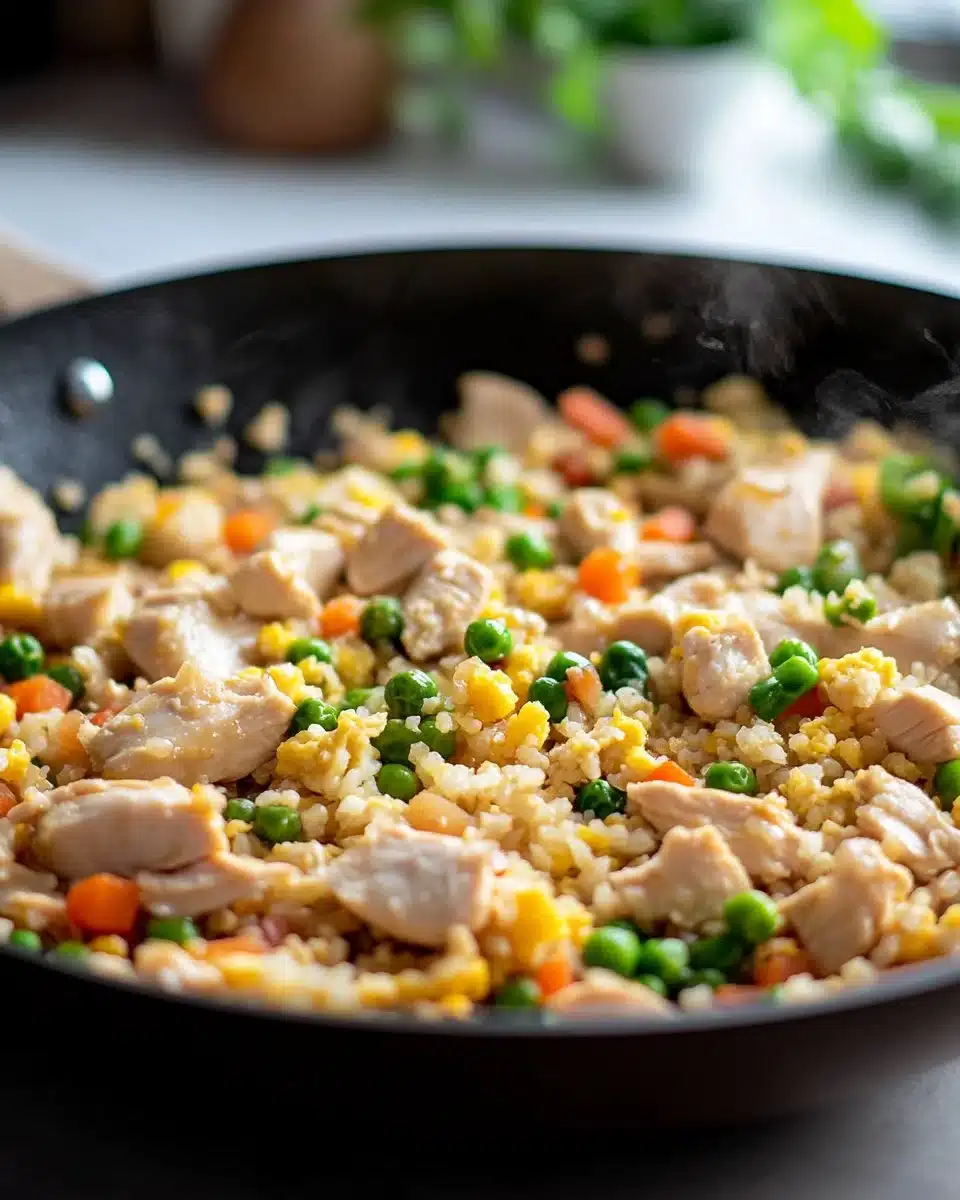

I can still hear the clink of spoons on plates and the small argument over who gets the bigger scoop as the smell of garlic and teriyaki slowly fills the house. My kids rush in from the backyard and gather at the counter, and that little moment of everyone pressing close is why I cook. This Chicken Fried Rice is the sort of dinner that slides together while you chat about the day, and it pairs perfectly with a big bowl of laughter. If you love cozy dinners that come together fast, you might also enjoy my spin on a chicken and rice casserole for nights when you want leftovers that feel like a reward.
Why This Chicken Fried Rice Feels Like Home
Chicken Fried Rice is comfort food done smart. It tastes like the warm kitchen I grew up in because it hits basic, beloved notes: the savory tang of teriyaki, the soft bite of egg, and the bright pop of mixed veggies. It is honest, simple, and unfussy.
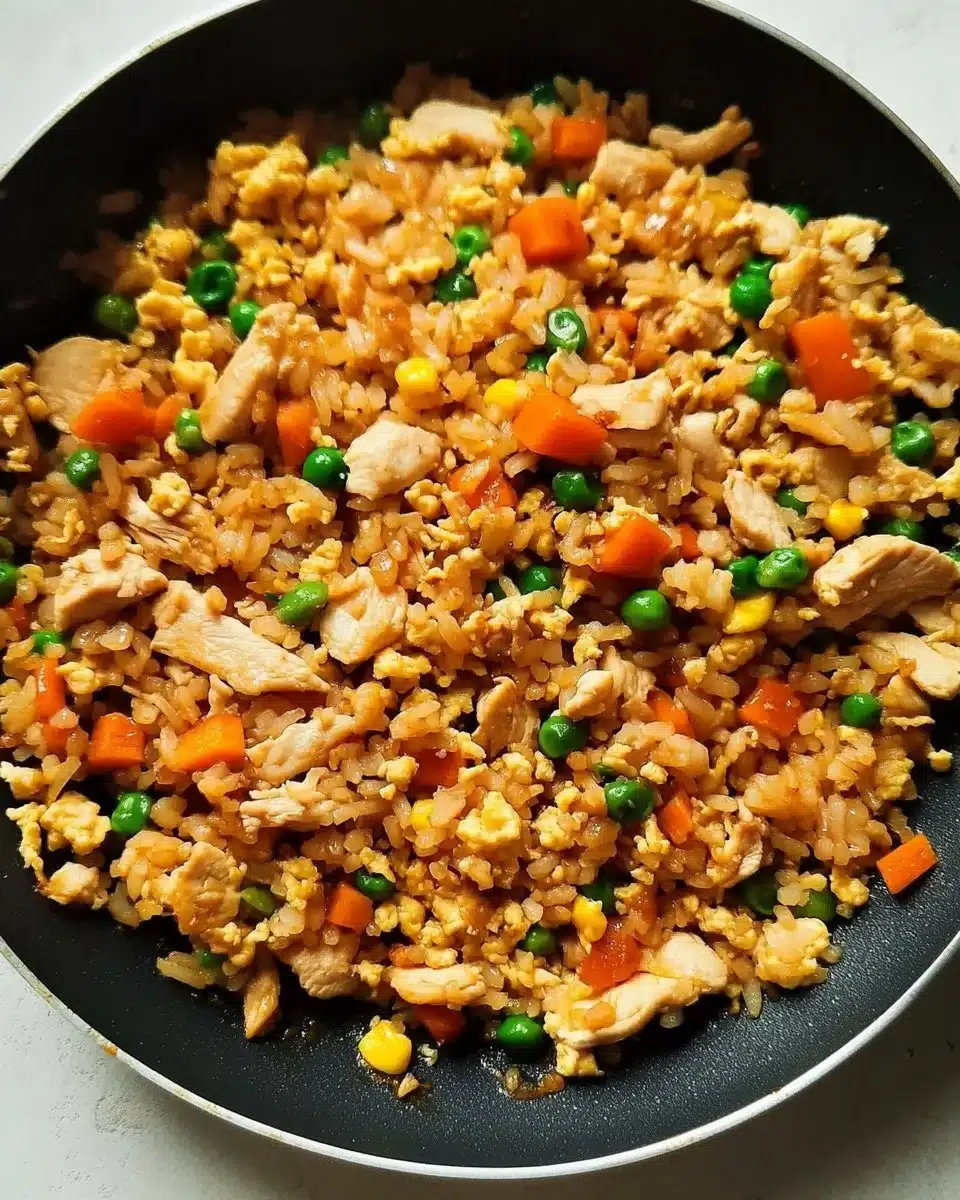
This recipe works for busy nights because it uses mostly frozen staples and one pan. That means you spend less time washing dishes and more time passing spoons around the table. It also lets everyone customize their bowl, which is perfect for picky little eaters and adults who like a little extra sauce.
How to Make Chicken Fried Rice, The Heartwarming Way
“This is where the magic happens – when the aroma fills the kitchen and my kids come running in, asking ‘Is it ready yet?’”
The process is short and satisfying. You start by marinating the chicken so it picks up that sweet-salty teriyaki flavor. Then you warm the veggies, toss in the riced cauliflower like you would rice, and pull everything together with eggs so each spoonful is glossy and full. Look for light browning under the eggs and bright, thawed vegetables as your visual cues that you are on the right track.
Ingredients You’ll Need
Pam Olive Oil Cooking Spray
8 oz Pkg of Frozen Veggies
1 tbsp Minced Garlic
12 oz Pkg of Frozen Riced Cauliflower
4 tbsp Teriyaki Sauce
2 cups Skinless Chicken Breast
4 Eggs
Salt and Pepper (to taste)
Don’t skip the garlic if you can help it; it is the backbone of this dish. If you want more color and freshness, toss in chopped green onions or a few spoonfuls of peas. If you are feeling adventurous, try the flavors from a chicken and sweet potato rice bowl in future batches for a sweeter twist.
Step-by-Step Directions: Keeping It Simple
-
Write ahead of time, marinade chicken with 2 tbsp teriyaki sauce.
Cover and chill for at least 20 minutes, or up to a few hours for extra flavor.
Give yourself the win of prepping this first and relaxing while other work happens. -
Spray frying pan or wok with olive oil cooking spray over medium heat.
Let the pan warm so the spray forms a thin, even coating.
A hot surface helps create a little caramelization on the chicken. -
Add frozen mixed veggies and garlic to the pan. Toss to coat with the cooking spray.
Stir often so the garlic does not burn; you want it fragrant and soft, not bitter.
Frozen veggies thaw quickly and release a little water; that is normal. -
Cook the veggies until thawed, stirring occasionally.
You want them bright and slightly tender, not mushy.
A quick sear gives better texture and flavor. -
Add riced cauliflower and spray rice lightly with more cooking spray.
Treat the riced cauliflower like rice, spreading it around the pan to make contact.
This helps evaporate excess moisture and keeps the texture pleasant. -
Add 2 tbsp of teriyaki sauce and stir, cooking for about 10 minutes or until the rice is warmed through.
Taste a bit and adjust—more teriyaki will make the dish sweeter, less keeps it savory.
A little browning on the cauliflower adds depth, so let it sit undisturbed for a minute. -
Add diced roasted chicken marinated in teriyaki sauce and cook for another 5-10 minutes over medium heat.
Reheat the chicken until it is warmed through and picks up a little color.
If you roasted your chicken earlier, this is the moment it joins the party. -
Move the rice mixture around, forming a hole in the center of the pan.
This makes space to cook the eggs gently without overcooking the rest.
It is a small trick that pays off in soft scrambled ribbons. -
Beat 4 eggs together and pour into the center of the pan.
Let the eggs set a little at the bottom before you stir them into the rice.
They should be slightly soft so they blend into the grains and pieces. -
Let the eggs cook up a little on the bottom and then combine them into the rice mixture.
Stir gently so the eggs form small curds and coat the rice evenly.
This is when the dish feels truly finished, glossy and homey. -
Cook for 5-10 minutes or until eggs are cooked through.
Stir occasionally to prevent sticking and to let flavors mingle.
Taste and make final seasoning adjustments. -
Add salt and pepper to taste.
Remember teriyaki brings a lot of salt, so season lightly first.
A fresh grind of pepper on top at the table is a lovely finishing touch.
Quick tip: let the pan develop a little fond on the bottom before stirring to build flavor. If the kids want to help, this is the step where they can safely stir from the edge of the pan with a wooden spoon.
Serving Chicken Fried Rice with Love
I serve this family-style in the center of the table and let everyone scoop their own bowls. We keep a few small bowls of extras nearby: sliced green onions, extra teriyaki, and a little chili oil for those who like heat. Presentation is simple: a big warm pan, a wooden spoon, and plates passed around.
Sometimes I add a side of quick cucumber salad or steamed broccoli to bring a fresh note. My husband likes a heavier hand with teriyaki, while my youngest drizzles just a tiny bit and loads up on eggs. It is a meal that encourages conversation and small choices, which is how family dinners should feel.
If you like layered, casserole-style dinners on busy nights, you might enjoy my take on a chicken enchilada rice casserole for a different kind of sharing dish.
FAQs About Chicken Fried Rice
Q: Can I make this ahead for a busy week?
A: Absolutely. Make the base, cool it, and refrigerate. It reheats well in a skillet with a splash of water or in the microwave for lunch the next day.
Q: Can I use regular rice instead of riced cauliflower?
A: Yes. Day-old white rice works best because it is drier and flakes apart easily. If using fresh rice, spread it on a tray to cool and dry a bit first.
Q: My mixture feels too wet—what do I do?
A: Cook a little longer on medium-high heat to let excess moisture evaporate. A quick increase in heat and stirring will help the rice firm up.
Q: How can I make this gluten-free or lower-sodium?
A: Use a gluten-free teriyaki sauce or substitute with tamari and a teaspoon of honey. Adjust salt at the end.
Storage & Reheat Tips (Keeping the Goodness)
Store leftover Chicken Fried Rice in an airtight container in the fridge for up to 3 days. For best texture, keep it relatively flat in the container so it cools fast and evenly.
To reheat, gently warm it in a skillet with a splash of oil or water to revive the moisture and bright flavors. The microwave is fine for a quick lunch; stir halfway through to avoid cold pockets. If you plan to freeze, portion into meal-sized containers and consume within 2 months.
If you love bold reheated flavors, this is a great dish to pair with the saucier comfort of creamy cajun chicken and rice bowls on a day when you want spice and comfort.
My Kitchen Notes & Shortcuts
- Marinate early. Even 20 minutes makes a difference, but a few hours is better.
- Use frozen veggies. They save time and keep the pantry simple.
- Make it a family job. Kids can beat the eggs or set the table—those are big contributions.
- Swap proteins. Leftover rotisserie chicken or tofu works great in a pinch.
- For richer flavor, add a teaspoon of toasted sesame oil at the end.
If you want a creamy, slow-cooked twist for a weeknight, I often pull ideas from a smothered chicken and rice to inspire texture swaps.
Family-Friendly Variations
Make it milder for kids by using less teriyaki and adding peas and corn for sweetness. For a lighter bowl, swap the riced cauliflower for brown rice and reduce the eggs to two. If you want a takeout-style upgrade, finish with a squeeze of lime and a few cilantro leaves.
For a spicy grown-up version, stir in a small spoonful of sambal or sriracha with the teriyaki. For a vegetarian night, swap the chicken for firm tofu cubes marinated the same way.
One Final Thought from My Kitchen
This Chicken Fried Rice is one of those meals that gives back more than it asks. It needs small, steady steps and a little time to get comfortable, and it returns warmth, ease, and a full table. It is a recipe to lean on when the week is long and the loved ones are hungry.
Conclusion
If you want another dependable version to compare techniques or flavors, I often look at the Cooking Classy chicken fried rice recipe for a different take on seasoning and rice handling. For an easy better-than-takeout angle with extra tips on texture, check out Averie Cooks’ better-than-takeout chicken fried rice which has smart shortcuts and plating ideas.
Until next time, happy cooking. Give this one a try—you might surprise yourself when the house fills up and everyone slows down to eat together.